Tag: minoan

  • PINTEREST Minoan Linear A, Mycenaean Linear B, Arcado-Cypriot Linear C, PIN site for Minoan Linear A, Linear B, Knossos & Mycenae

    PINTEREST Minoan Linear A, Mycenaean Linear B, Arcado-Cypriot Linear C, PIN site for Minoan Linear A, Linear B, Knossos & Mycenae:

    PINTEREST Minoan Linear A, Mycenaean Linear B, Arcado-Cypriot Linear C, Progressive Grammar and Vocabulary:

    PINTEREST Linear A Linear B progressive grammar and vocabulary

    with over 2,240 PINS on every aspect of Minoan Linear A, Mycenaean Linear B and Arcado-Cypriot Linear C, including hundreds of tablets and their decipherment, the syllabaries, images of Knossos, Mycenae and other Bronze Age locales related to these syllabaries, maps, archaeological sites and plans, silver and gold jewellery, timelines etc. etc., is the PIN site for Minoan Linear A, Linear B, Knossos & Mycenae:

    Minoan Linear A Linear B Knossos and Mycenae WordPress

    If you are not already following our PINTEREST site, now is the time to do just that.


  • Decipherment of the RECTO of Linear A tablet HT 86 (Haghia Triada)

    Decipherment of the RECTO of Linear A tablet HT 86 (Haghia Triada):

    Linear A Haghia Triada HT 86

    It is possible to decipher this tablet and several others dealing with grain crops with a reasonable degree of accuracy and, in the case of some words, with complete accuracy. The Linear A word akaru is almost certainly the equivalent of akaro, and not of akareu, in Linear B, the latter interpretation of John G. Younger being utterly out of the question in context. The standard Old Minoan words for emmer wheat and “roasted einkorn” are kunisu and dideru. The second of these words, dideru, is equivalent to Linear B, didero, but neither word appears in any later ancient Greek dialect, leading me to draw the inference that dideru/didero is either archaic proto-Mycenaean Greek or that it falls within the pre-Greek substratum or alternatively that it is Old Minoan (OM). As for dame, it appears to be dative singular for damu (Linear A) or damo (Linear B), hence grains for the village wheat”. Finally, minute would appear to signify “and for one month”, te being enclitic, meaning “and”, with the entire phrase derived from mini = “month”. The actual case structure for the ultimate u has yet to be determined for Old Minoan. Unfortunately, it will be some time before I can tackle Old Minoan grammar (declensions and conjugations), as I must first decipher as many Old Minoan, pre-Greek substratum and Mycenaean-derived words as I can in Linear A. And these run to at least 300 out of 988 Minoan words I have isolated.

  • Comprehensive Linear A lexicon of 988 words, with 214 more entries than in John G. Younger’s Reverse Linear A Lexicon

    Comprehensive Linear A lexicon of 988 words, with 214 more entries than in John G. Younger’s Reverse Linear A Lexicon:
    
    comprehensive Linear A lexicon of 988 terms
    
    This lexicon comprises all of the intact words in John G. Youngers Reverse Linear A Lexicon (which is far from comprehensive) plus every last intact word on every single tablet at his site, wherever any of the latter are not found in the former, along with additional Linear vocabulary which I have found on my own. By my count, there are 988 words, 214 more than in Prof. John G. Youngers Reverse Linear A Lexicon, which has 774 entries, not counting numeric syllabograms, of which no one knows the phonetic values at any rate + long strings + broken series of syllabograms, though I may have made the occasional error in addition, since I had to subtract some repetitive words and add others from the tablets, which are not in the Reverse Linear A Lexicon. Words which are apparent variants of one another are listed under one entry, e.g.
    
    daka/daki/daku/dakuna 
    dakusene(ti)
    japa/japadi/japaku
    kira/kiro/kirisi/kiru
    maru/maruku/maruri 
    merasasaa/merasasaja
    nesa/nesaki/nesakimi
    piku/pikui/pikuzu 
    reda/redamija/redana/redasi 
    saro/saru/sarutu
    tami/tamia/tamisi
    zare/zaredu/zareki/zaresea
    
    The following entries have been deliberately omitted:
    1 Words containing any syllabograms which are either partially or wholly numeric, since we do not know what the phonetic values of these syllabograms are,
    2 Broken series of syllabograms &
    3 Strings of syllabograms > than 15 characters.
    
    This is the raw Lexicon, without definitions. Definitions of Old Minoan (OM), pre-Greek substratum (PGS) and Mycenaean-derived New Minoan (NM) terms will soon be published in sub-Lexicons pursuant to this Lexicon on my academia.edu account. 
    
    adai 
    adakisika
    adara/adaro/adaru
    ade/adu 
    Adunitana  
    adureza 
    aduza
    ajesa 
    aju 
    Akanu/Akanuzati  = Archanes (Crete)  = 10
    aka 
    akaru 
    aki/akii  = garlic
    akipiete(ne?)
    akumina
    ama 
    amaja
    amawasi
    amidao/amidau 
    amita = 20
    ana 
    ananusijase
    anatu 
    anau
    anepiti
    aparane 
    apaki 
    apero 
    api 
    ara = 30
    araju 
    arako
    aranare/aranarai (sing.) 
    arati
    aratiatu 
    aratu  
    arauda
    aredai
    Arenesidi  
    aresana = 40
    ari/arinita
    arisu
    arokaku
    arote 
    aru/arudara
    aruma 
    aruqaro
    arura 
    asadaka
    asamune = 50
    asara2 
    asasumaise
    ase/asi
    aseja 
    asidatoi 
    asijaka
    asikira 
    asisupoa
    asona
    asuja = 60
    Asupuwa 
    atade 
    atanate 
    atare 
    ati 
    atika
    atiru
    atu 
    aurete 
    awapi = 70
    azura
    
    daa 
    dadai/dadana
    dadipatu
    dadumata
    dadumina/dadumine
    dai/daina
    daipita 
    dajute
    daka/daki/daku/dakuna = 80
    dakusene(ti)
    damate Cf. Linear B damate
    dame/dami/daminu  
    danasi 
    danekuti
    daqaqa
    daqera
    dare 
    darida 
    daropa = 90
    darunete 
    daserate
    dasi 
    datapa 
    datara/datare
    data2 
    datu  
    dawa  (Haghia Triada)  CF LB dawo
    daweda 
    
    dea = 100
    deauwase 
    dedi
    dejuku
    demirirema 
    depa/depu 
    deripa
    detaa 
    dide/didi
    dideru
    didikase/didikaze  = 110
    dii 
    dija/dije
    dika 
    Dikate  = Mount Dikte
    dikime
    dikise 
    dima
    dimaru
    dimedu
    dinaro = 120
    dinau
    dipa3a 
    dipaja
    diqise 
    dirasa 
    diredina
    dirina
    diru 
    disa
    disipita = 130
    ditajaru
    ditamana  = dittany
    du/dua/duja
    dumaina 
    dumedi
    dumitatira2 (dumitatirai)
    dunawi
    dupa3na
    dupu3re 
    dura2 = 140
    durare
    duratiqe
    dureza/durezase
    dusi/dusini
    dusima 
    dusu
    duti
    duwi 
    duzu
    
    edamisa = 150
    edu 
    eka 
    epa3
    ero
    esija
    etanasu
    etori 
    ezusiqe
    
    ia 
    Ida/Idaa/Idada/Idapa3  = Mount Ida  = 160
    Idamate/idamete  
    Idarea 
    idunesi 
    iduti 
    ija 
    ijadi 
    ijapame  
    ijate 
    ika 
    Ikesedesute   = 170
    Ikurina  
    ikuta
    ima
    imeti 
    inaimadu
    inajapaqa
    ipinama
    ira2 
    iruja
    isari  = 180
    ise
    itaja
    itaki
    itijukui 
    itinisa
    Ititikuna  
    Izurinita  
    
    jaa
    jadi/jadikitu = 190
    jadireja 
    jadisi
    jadu
    jadurati
    jai 
    jainwaza
    jaiterikisu 
    jaitose
    jaja
    jakisikinu = 200
    jako/jaku/jakute
    jamaa
    jamauti
    jami/jamidare 
    januti
    japa/japadi/japaku 
    japametu 
    japanidami 
    japarajase
    jara2qe = 210
    jara/jare/jaremi 
    jarepu2  
    jarete
    jari/jarina/jarinu
    jaripa3ku
    jarisapa
    jaru/jarui 
    jasaja
    jasamu 
    jasapai = 220
    jasaraanane
    jasasarame
    jasidara
    jasea/jasepa 
    jasie 
    jasumatu 
    jata/jatai/jatapi 
    jate/jateo
    jatimane
    jatituku+ jatituku (repeated) = 230
    jatoja
    jawi
    jedi 
    jeka 
    jemanata
    jetana 
    jua
    judu
    juerupi 
    juka = 240
    juma/jumaku
    juraa
    jureku
    juresa 
    jutiqa
    juu
    
    ka (extremely common)
    kada/kadasaa
    kadi 
    kadumane   = 250
    kadusi 
    kae
    kai/kaika 
    kairo
    kaji/kaju 
    kaki/kaku
    kakunete
    kami
    kana/kanatiti/kanau 
    kanajami = 260
    kanaka 
    kanita 
    kanuti 
    kapa/kapaqe/kapi 
    kaporu 
    kapusi
    kaqa/kaqe
    kara 
    karona
    karopa2 (karopai) = 270
    karu  
    karunau 
    kasaru 
    kasi 
    kasidizuitanai  
    Kasikidaa   
    kasitero 
    katanite
    kataro  scarab (Egyptian)
    kati 
    kaudeta = 280 
    keda 
    keire 
    kekiru
    kera/kero  
    keta/kete 
    ketesunata  
    kezadidi
    kida/kidi 
    kidapa 
    kidaro = 290
    kidata
    kidini
    kidiora
    kii/kiipa
    kija  
    kika 
    kikadi 
    kikiraja
    kimu 
    kina = 300
    kinima
    kinite
    kipaa 
    kipisi (fairly common) 
    kiqa
    kira/kiro 
    kireta2 
    kiretana 
    kireza
    kiro/kirisi/kiru  = 310
    kiso 
    kisusetu 
    kitai/kitei 
    kitanasija 
    kitiqa
    kito 
    koiru 
    koja
    kopu
    koru  = 320
    Kosaiti  
    kuda
    kuja
    kujude 
    kuka
    kukudara 
    kumaju 
    kumapu 
    kunisu
    kupa/kupi = 330 
    kupa3natu 
    kupa3nu 
    kupa3pa3
    kupa3rija  
    kupaja 
    kupari 
    Kupatikidadia  
    kupazu
    kuqani 
    kura/kuramu  =340
    kurasaqa 
    kureda 
    kureju 
    kuro/kurotu 
    kuto 
    kuruku
    kuruma 
    kutiti  Kutaistos Cf. LB Kitaito
    kutukore
    kuzuni = 350
    
    maa
    madadu 
    madi 
    mai/maimi
    majutu 
    makaise
    makaita 
    makarite
    makidete 
    mana/manapi (common)= 360
    maniki
    manirizu 
    manuqa
    maru/maruku/maruri
    masa/masaja 
    masi/masidu
    masuja
    masuri
    matapu
    mateti = 370
    matiti 
    matizaite 
    matu 
    maza/mazu 
    meda
    medakidi
    mekidi
    mepajai
    mera 
    merasasaa/merasasaja (very common)  = 380
    mesasa 
    mesenurutu
    meto 
    meturaa 
    meza 
    mia
    midai 
    midani 
    midamara2 (midamarai)
    midara = 390
    midemidiu
    mie
    miima 
    mijanika
    mijuke 
    mikidua
    mikisena
    minaminapii
    minedu
    mini/miniduwa  = 400
    minumi
    minute (sing. minuta2 – minutai) 
    mio/miowa
    mipa
    mireja 
    miru
    mirutarare
    misimiri
    misuma
    mita = 410
    miturea 
    mizase
    mujatewi
    muko 
    mupi 
    murito
    muru
    musaja 
    
    naa
    nadare = 420
    nadi/nadiradi/nadiredi
    nadiwi
    nadu
    nadunapu2a
    naisizamikao   
    naka
    nakiki
    nakininuta
    nakuda
    namarasasaja  = 430
    namatiti
    nami
    namikua/namikuda
    namine 
    nanau 
    nanipa3
    napa3du
    narepirea
    naridi
    narinarikui  = 440
    narita
    naroka
    naru 
    nasarea
    nasekimi 
    nasi 
    nasisea
    nataa/nataje
    natanidua
    natareki (common)  = 450
    nati 
    nazuku/nazuru
    nea 
    neakoa  
    nedia
    nedira
    neka/nekisi 
    nemaduka
    nemaruja
    nemiduda = 460
    nemusaa
    Nenaarasaja 
    neqa
    neramaa
    nerapa/nerapaa 
    nere 
    nesa/nesaki/nesakimi
    nesasawi
    nesekuda
    neta = 470
    netapa 
    netuqe
    nidapa
    nidiki/nidiwa 
    niduti
    nijanu
    niku/nikutitii
    nimi
    nipa3  
    nira2 (nirai) -or- nita2 (nisai)  = 480
    niro/niru 
    nisi 
    nisudu
    nisupu
    niti
    nizuka
    nizuuka
    nua
    nude
    nuki/nukisikija  = 490
    numida/numideqe 
    nupa3ku (extremely common)
    nupi
    nuqetu 
    nuti/nutini
    Nutiuteranata  
    nutu
    nuwi
    
    odami/odamia
    opi = 500
    ora2dine (oraidine)
    osuqare
    otanize
    oteja 
    
    pa (common)/paa
    padaru
    padasuti 
    pade
    padupaa
    Paito = Phaistos = 510
    pa3a/pa3ana
    pa3da 
    pa3dipo
    pa3katari 
    pa3kija 
    pa3ku
    pa3ni/pa3nina/pa3niwi
    pa3pa3ku
    pa3qa
    pa3roka  = 520
    pa3sase
    pa3waja
    paja/pajai/pajare
    paka (very common)/paku (very common)/pakuka 
    pamanuita  
    panuqe 
    para 
    parane 
    paria 
    paroda = 530
    parosu
    pasarija
    pase 
    pasu 
    pata/patada/pataqe/patu 
    patane 
    pia/pii 
    pija/pijani/pijawa 
    piku/pikui/pikuzu
    pimata  pimento = 540
    pimitatira2 (pimitatirai) 
    pina/pini 
    pirueju
    pisa
    pita/pitaja 
    pitakase/pitakesi
    pitara 
    piwaa
    piwaja
    piwi = 550
    posa 
    potokuro
    pu2juzu
    pu2su/pu2sutu 
    pu3pi
    pu3tama
    puko
    punikaso
    puqe
    pura2  = 560
    pusa/pusi
    pusuqe
    
    qara2wa 
    qa2ra2wa
    qajo
    qaka
    qanuma
    qapa3 (qapai) 
    qapaja/qapajanai
    qaqada = 570
    qaqaru 
    qareto 
    Qaqisenuti  
    qaro 
    qasaraku 
    qatidate 
    qati/qatiki 
    qatiju 
    qedeminu
    qeja = 580
    qeka 
    qenamiku 
    qenupa
    qepaka
    qepita 
    qepu
    qequre 
    qera2u/qera2wa
    qeri
    qero = 590
    qerosa 
    qesite
    qesizue
    qesupu
    qesusui
    qeta2e
    qeti/qetiradu 
    qetune 
    qisi
    qoroqa = 600 
    quqani 
    
    raa
    rada/radaa/radakuku/radami
    radarua 
    radasija
    radizu
    radu 
    ra2i
    ra2ka 
    ra2madami   = 610
    ra2miki
    ra2natipiwa 
    ra2pu/ra2pu2
    ra2ri (rairi)  = lily
    ra2rore
    ra2ru
    ra2saa 
    raja/raju
    rakaa 
    raki/rakii/rakisi/raku = 620
    ranatusu
    rani 
    raodiki 
    rapa/rapu
    rapu3ra
    raqeda
    rarasa
    rarua
    rasa/rasi 
    rasamii = 630
    rasasaa/rasasaja
    rata/ratapi 
    ratada
    ratise (ritise?) 
    razua
    rea 
    reda (common)/redana/redasi 
    redamija
    redise 
    reduja = 640
    reja/rejapa 
    rekau 
    rekotuku 
    reku/rekuqa/rekuqe 
    rema/rematuwa 
    remi
    renara/renaraa 
    renute
    repa 
    Repu2dudatapa   = 650
    repu3du
    reqasuo
    reradu
    rera2tusi
    reratarumi 
    rerora2
    rese/resi/resu  See sere
    retaa/retada
    retaka 
    retata2 = 660
    retema 
    reza
    rezakeiteta 
    ria (common) 
    ridu
    rikata
    rima 
    rimisi 
    ripaku
    ripatu = 670
    riqesa
    rira/riruma
    rirumate
    risa
    Risaipa3dai  
    Risumasuri  
    ritaje 
    rite/ritepi
    ritoe 
    rodaa/rodaki = 680
    roika
    roke/roki/roku
    romaku 
    romasa
    ronadi
    rore/roreka 
    rosa  = rose 
    rosirasiro 
    rotau 
    roti = 690
    rotwei 
    rua 
    rudedi
    ruiko
    ruja  
    rujamime 
    ruka/rukaa/ruki/rukike 
    Rukito
    ruko
    rukue = 700
    ruma/rumu/rumata/rumatase 
    rupoka
    ruqa/ruqaqa (common)
    rusa (common/rusaka
    rusi
    rutari 
    rutia 
    ruzuna
    
    sadi
    saja/sajama/sajamana = 710
    sajea
    saka
    sama/samaro
    samidae 
    samuku 
    sanitii
    sapo/sapi
    saqa
    saqeri
    sara2 (sarai)/sarara =720
    sareju 
    saro/saru/sarutu 
    sasaja
    sasame  = sesame
    sasupu 
    sato 
    sea/sei 
    sedina 
    sedire
    seikama = 730
    Seimasusaa
    seitau
    sejarapaja  
    sejasinataki  
    sekadidi
    sekatapi
    sekidi  
    Sekiriteseja  
    sekutu 
    semake = 740
    semetu 
    senu
    sepa
    sere 
    sesapa3
    Sesasinunaa  
    Setamaru
    Seterimuajaku
    setira 
    Setoija   = 750
    Sewaude   
    sezami 
    sezanitao
    sezaredu
    sezatimitu 
    sia 
    sidare/sidate
    sidi/sidija 
    sii/siida/siisi  
    siitau = 760
    sija 
    Sijanakarunau
    sika 
    siketapi
    sikine 
    Sikira/sikirita
    sima 
    simara 
    simita 
    simito/simitu  = mouse = 770
    sina
    sinada
    sinae  
    sinakanau (common)
    sinakase  
    sinamiu
    sinatakira
    sinedui
    sipiki 
    sipu3ka = 780
    sire/siro/siru/sirute 
    siriki 
    Sirumarita2   
    Sitetu  
    situ 
    siwamaa
    sokanipu  
    sokemase 
    sudaja 
    suja = 790
    Sukirita/Sukiriteija  = Sybrita
    suniku (common)
    supa3 (supai) 
    supi/supu 
    sure 
    Suria  
    suropa 
    sutu/sutunara
    suu
    suzu = 800
    
    taa
    tadaki/tadati
    tadeuka 
    taikama
    Tainaro
    tainumapa
    Ta2merakodisi 
    ta2re/ta2reki 
    ta2riki
    Ta2rimarusi    = 810
    ta2tare
    ta2tite
    ta2u 
    tajusu 
    takaa/takari
    taki/taku/takui
    tamaduda
    tanamaje
    tanate/tanati
    Tanunikina  = 820
    tamaru 
    tami/tamia/tamisi 
    tani/taniria/tanirizu 
    taniti  
    tapa 
    tapiida
    tapiqe
    tara/tarina
    tarasa
    tarawita = 830
    tarejanai 
    tarikisu 
    taritama
    tasa/tasaja 
    tasise 
    tata/tati 
    tateikezare
    tedasi/tedatiqa
    tedekima
    teepikia = 840
    Teizatima  
    tejai 
    tejare 
    tekare
    teke/teki
    tekidia
    temada/temadai
    temeku 
    temirerawi 
    tenamipi = 850
    tenata/tenataa 
    tenatunapa3ku  
    tenekuka 
    teneruda
    teniku 
    tenitaki
    tenu/tenumi (common)
    tepi
    tera/tere/teri tera 
    teraseda = 860
    tereau 
    tereza
    teri/teridu 
    terikama
    tero/teroa
    terusi (extremely common) 
    tesi/tesiqe 
    Tesudesekei 
    tetita2
    tetu = 870
    Tewirumati
    Tidama  
    tidata 
    tidiate
    tiditeqati 
    tiduitii/tiisako 
    tija 
    tika 
    tikiqa
    tikuja = 880
    Tikuneda
    timaruri/timaruwite
    timasa 
    timi 
    timunuta
    tina 
    Tinakarunau
    tinata (common)/tinita
    tinesekuda
    tininaka = 890
    tinu/tinuka 
    tinusekiqa 
    tio
    tiqatediti 
    tiqe/tiqeri/tiqeu
    tiraduja 
    tira2 
    tirakapa3
    tire 
    tisa = 900
    tisiritua 
    tisudapa
    Tita
    titema
    titiku
    titima
    tiu
    tiumaja
    tizanukaa
    toipa = 910
    tome
    toraka  = Linear B toraka
    toreqa
    tuda
    tujuma
    tukidija
    tukuse
    tuma/tumi/tumitizase
    tunada/tunapa
    tunapa3ku = 920
    Tunija
    tupadida
    tuqe
    turaa 
    Turunuseme 
    turusa
    tusi/tusu/tusupu2
    tute/tutesi
    
    udami/udamia 
    udimi = 930
    udiriki
    uju 
    uki
    Uminase  
    unaa
    unadi (common) 
    unakanasi  
    unana 
    unarukanasi/unarukanati
    upa = 940
    uqeti 
    urewi 
    uro
    uso/usu
    uta/uta2 
    utaise
    utaro 
    uti 
    
    waduko
    waduna = 950
    Wadunimi  
    waja
    wanai 
    wanaka 
    wapusua  
    wara2qa
    watepidu
    watumare 
    wazudu
    wetujupitu = 960
    widina
    widui
    wija 
    Wijasumatiti  
    Winadu
    winipa
    winu 
    winumatari 
    wiraremite 
    wireu = 970
    wirudu
    Wisasane  
    witero 
    
    zadeu/zadeujuraa
    zadua
    zama/zame
    zanwaija
    zapa
    zare/zaredu/zareki/zaresea
    zasata = 980
    zirinima
    zudu
    zukupi
    zuma
    zupaku
    zusiza
    zusu
    zute = 988
    
    VERSUS Younger = 774 ( – numeric syllabograms + long strings + broken series of syllabograms). Hence Youngers lexicon amounts to 78.3 % of this one, i.e. this lexicon contains 214 more entries and is 21.7 % longer.
    
    
  • Digital enhancement of Linear A & B tablets: #4 Linear A tablet KH 11 (Khania)

    Digital enhancement of Linear A & B tablets: #4 Linear A tablet KH 11 (Khania)

    Linear A tablet KH 11 Khania digitized


  • Digital enhancement of Linear A & B tablets: #2 Linear A tablet KH 5 (Khania)

    Digital enhancement of Linear A & B tablets: #2 Linear A tablet KH 5 (Khania)
    
    Here is the digitally enhanced version of KH 5:
    
    Linear A tablet KH 5 Khania digitized
    
    versus the original photo of it as found on the Internet:
    
    Linear A tablet KH 5 Khania original
    
    The original photo is severely underexposed, fuzzy and definitely off-colour.
    
    
  • Digital enhancement of Linear A & B tablets: # 1 Linear A tablet ZA 14 (Zakros)

    Digital enhancement of Linear A & B tablets: # 1 Linear A tablet ZA 14 (Zakros)
    
    Lineat A tablet digitally enhanced
    
    So many photographs of both Linear A and B tablets on the Internet are of such poor quality that they are often practically illegible, even when the entire inscriptions are extant. Photos are underexposed, fuzzy and off-colour. I have taken it upon myself to correct as many of these flaws as I possibly can. The results are sometimes nothing short of spectacular and usually very good. I hope everyone who uses them enjoys them to the fullest. You have my permission to reproduce them, but please do not alter their appearance. The amount of work I have to pour into each digitization can run to at least one hour.   
    
    
  • For the first time ever in history, a conjectural full restoration of an entire Linear A tablet, ZA 20 (Zakros)

    For the first time ever in history, a conjectural full restoration of an entire Linear A tablet, ZA 20 (Zakros):

    Linear A tablet ZA 20 Zakros restored

    In the previous post, I conjectured how the text of the missing top of Linear A tablet ZA 20 (Zakros) might have read. While we shall never know for certain, one thing is sure: we do know that the entire tablet dealt with grain crops. It therefore stands to reason that the missing text on the top must have inventoried grains. With this firmly in mind, I have endeavoured to reconstruct what I believe how the missing text may have read. It could very well have run something along these lines:

    kireta2 (kiretai) 11 dideru 42 dideru 30 qerie 22 qerie 6

    NOTE that kireta2 (kiretai) is the Minoan orthography for Greek krithai (Latinized), which of course is barley.

    Translation: 11 bushel-like units of barley, 42 units of emmer wheat, 30 units of emmer wheat mixed with 22 units of roasted einkorn, and 6 units of pure roasted einkorn

    for a total of 111

    which when taken into account with total of 19 on the bottom half of the tablet yields a grand total of 130.

    Hence the decipherment of the entire tablet with the top half restored as conjectured, reads as follows:

    11 bushel-like units of barley, 42 units of emmer wheat, 30 units of emmer wheat mixed with 22 units of roasted einkorn, and 6 units of pure roasted einkorn + ro? with dry units of measurement (i.e. bushel-like units) + 4 units of mi? + ? + ? + along with 1 bushel-like unit of wheat 7 12 bushel-like units of te*123 (flax?) + 2 bushels of rumatase (spelt?) for a grand total of 130.

    As you can readily see, this decipherment makes perfect sense, and in any case, even if the text of original tablet did not read quite this way, it must have read very much like this.

    You will forgive my awful scribal hand. I cannot hope to be able to replicate the finer hand of the original scribe.

  • A solid decipherment of Linear A tablet ZA 20 (Zakros), which definitely deals with several types of crops

    A solid decipherment of Linear A tablet ZA 20 (Zakros), which definitely deals with several types of crops:
    
    ZA 20
    
    Even though at the very least the top half of Linear A tablet ZA 20 (Zakros) is missing, it definitely deals with several types of crops. This is abundantly clear from the extant text on the bottom half (or less) of the tablet, in which we find, not one but 2 references to wheat, and to another crop, rumatase, which remains undeciphered, but which in all probability means “flax”. This word could also be Mycenaean-derived New Minoan for luma (Latinized Greek) for “offscourings”, the process whereby impurities are removed from grain crops, in this case, the extraction of chaff from wheat. It makes perfect sense in context.
    
    Given that at least half of the top of this tablet is lost, the question is, what does it reference? It is apparent from the remaining extant text on the bottom of this tablet, which deals with wheat twice, that the missing upper part of the tablet should deal with grain crops. There are indeed several words in Linear A which are grain crop-specific. These are dideru =  “emmer wheat”, qerie =  “roasted einkorn” and sara2/sarai =  “sharia wheat”. It is highly likely that the missing top portion of this tablet deals with at least one of these crops, or with 2 or even all 3 of them. In addition, mention may well have been made of either or both barley and flax crops.
    
    standard ideograms for crops in Linear A
    
    In view of the fact that the sum total for all crops on this tablet = 130, whereas the totals for the crops on the bottom half = 19 only, we are left with 111 units of something unaccounted for... and what might be that something?... other grain crops, of course. Otherwise, how are we to account for the 111 missing units on the lost portion of this tablet? We cannot. These 111 units, which were definitely tallied on the missing top of the tablet, must have been standard units of dry measurement for grain crops, something akin to our modern bushels. Of course, bushels are merely a speculative approximation, since there is no way we can know what the standard units of dry measurement for crops were either in the Minoan or Mycenaean eras, historically remote as they are.  All we can do is hazard an approximation. But at least bushels at least give us some idea of what we are dealing with here.
    
    Evidence for a substantive inventory of several grain crops on this tablet is further buttressed by the presence of the word durezase, in an oblique case of dureza, which I have (and I believe correctly) deciphered as one standard unit of dry measurement in Minoan, in other words one unit roughly approximating the modern bushel. So the accumulation of circumstantial evidence lends even further credence to our decipherment. Finally, the decipherment makes so much sense contextually that it is more likely than not correct.    
    
    
  • Provisional count of Mycenaean-derived vocabulary in Linear A = 33.4 %

    Provisional count of Mycenaean-derived vocabulary in Linear A = 33.4 %:
    
    provisional count of New Minoan words in Linear A
    
    I have just finished calculating the provisional maximum number of probable/possible Mycenaean-derived New Minoan words in our Linear A Lexicon of 988 words, and the count comes to 330, which is 33.4%. However, there is still a good deal of research to be done before I can determine how many of these potential New Minoan words are in fact just that. I estimate that, once I have eliminated the possible candidates, and restricted myself to the probable, this figure should drop to around 25%, which is roughly in line with the percentage of French words in English = 29%.
    
    
  • Linear A tablet ARKH 2 (Arkhanes), dealing with wine and pomegranate juice?

    Linear A tablet ARKH 2 (Arkhanes), dealing with wine and pomegranate juice?

    Linear A tablet ARKH 2 Arkhanes

    Linear A tablet ARKH 2 (Arkhanes) appears to deal with wine and pomegranate juice. This being so, we have now deciphered 2 Linear A tablets centred on this subject. If the two decipherments withstand scrutiny, they lend credence to the notion that wine and pomegranate juice were produced in pre-Mycenaean Minoan times. It is uncertain whether or not pomegranate juice was mixed with wine, but if it was, the composite alcoholic beverage would have been delicious. We recall that ancient wine, even as late as Roman times, was more sour than modern wine; hence, the need to sweeten it. The most common sweetener was honey, but it is conceivable that pomegranate juice was also used, at least in the middle and early late Minoan eras.

    On a final note, I have greatly enhanced and digitized the original of this tablet, which was originally under-focused and fuzzy.

  • Proposed decipherment of a Trojan roundel in Linear A illustrating a bronze shield

    Proposed decipherment of a Trojan roundel in Linear A illustrating a bronze shield:

    Trojan roundel in proposed Mycnaean-derived Linear A

    This is my proposed decipherment of a Trojan roundel in Linear A illustrating a bronze shield. It is highly probable that a roundel of Trojan origin inscribed in Linear A would have been entirely composed in Mycenaean-derived New Minoan Linear A, since after all the Trojan War occurred near the end of the Mycenaean Era (ca. 1250-1200 BCE). Given the late date, it is improbable that it would have been inscribed in Old Minoan. Why it is inscribed in Linear A rather than in Linear B, which would have been the expected syllabary, remains a mystery. However, there is evidence that Mycenaean scribes switched back and forth between Linear A and Linear B indiscriminately.

  • Partial conjectural decipherment of Linear A tablet HT 6 Haghia Triada (VERSO)

    Partial conjectural decipherment of Linear A tablet HT 6 Haghia Triada (VERSO):

    Haghia Triada Linear A tablet HT6 VERSO

    If there is any Linear A tablet which has proven a real headache, it has to be this one. The surface of the VERSO of HT 6 (Haghia Triada) is so badly damaged that experts such as Andras Zeke of the Minoan Language Blog and Prof. John G. Younger cannot even agree on a few syllabograms in the text, while I myself disagree with them on some of the same. Additionally, there is no consensus on the values of Linear A fractions. Interpretations by Andras Zeke and Prof. John G. Younger of the smaller fractional values often do not agree. So I am unwilling to add fuel to the fire. I simply choose whichever value (either that of Zeke or of Younger) seems more convincing to me. At any rate, no one today can determine with any degree of accuracy numeric values in Minoan Linear or Mycenaean Linear B, since both syllabaries are so historically remote as to preclude any convincing readings.

    As for the syllabograms on this tablet, once again, Andras Zeke and John G. Younger do not agree on the values of at least 3 of them. And I find myself at odds with their own interpretations. This is the result of the shoddy scribal hand and the less than ideal condition of the tablet itself. As for maridi, I find myself obliged to read it as if it were meridi, since the interpretation wool (mari) is utterly out of the question in the context of this tablet, whereas reading it as meridi = “honey” makes much more sense contextually. As for sama, it may be the Minoan equivalent of Mycenaean Linear B samara = mound/hill”, but once again, this interpretation is conjectural. I have previously tentatively deciphered Old Minoan (OM) pa3nina (painina) as “an amphora for the storage of… ”, but here again, I have gone out on a limb. Nevertheless, the interpretation once again suits the context. Once all of fig and pomegranate juice (RECTO) and the drops of wine and honey (VERSO) are accounted for, we can see that this tablet may deal with a recipe for a sweet alcoholic beverage, which with these ingredients would indeed be delicious.

    Consequently, any convincing decipherment of the VERSO of HT 6 is beyond our reach. We simply have to muddle through it and come up with the best alternatives we can for each apparently decipherable word. However, by fully taking into account the much more accessible text on the RECTO of HT 6, I believe I have been able to rescue a small portion of the significance of the text on the VERSO by placing it in its proper context with the RECTO. See the previous post for my fuller decipherment of the RECTO.

  • Linear A tablet HT 6 (Haghia Triada) RECTO: ripe figs and pomegranates

    Linear A tablet HT 6 (Haghia Triada) RECTO: ripe figs and pomegranates:

    HT 6 RECTO

    Linear A tablet HT 6 (Haghia Triada) RECTO deals with ripe crops, including figs and pomegranates. Although we do not know what the Old Minoan words jaru or ruja (could be either), mazu and daqera mean, they are almost certainly kinds of ripe crops, some of them fruits. However, it is possible that mazu derives from the proto-Indo-European mat = to plant, hoe. Cf. Occitan massa and Spanish maza = “mallet”. This makes sense in context.

    Of the probable Mycenaean-derived New Minoan words, pitaja, on line 2, which appears to mean “drinkable”, would imply that we are dealing with 24 units (cups?) of fig juice, in view of the fact that figs are specified as the first ripe crop on line 1.

    It is noteworthy that, as the result of having learned how to decipher some 25-30 Linear A tablets, all of which are at least partially inscribed in Mycenaean-derived New Minoan, I am finally gaining greater insight into the vocabulary, Old Minoan and New Minoan alike, of Linear A tablets.

    Since this tablet is so information rich, I am obliged to decipher the VERSO in the next post.

  • Edges of Pithoi from Petras, Crete, 15th. century BCE

    Edges of Pithoi from Petras, Crete, 15th. century BCE:

    edges of pithoi Crete, Petras, 15th century BC

    It is apparent from the inscriptions on these pithoi that the text is inscribed in Mycenaean-derived New Minoan, except for the personal names (of the fabricators or owners of the vases) .

    Petras Archaeological site:

    Petras archaeological site


  • A convincing contextualized decipherment of Linear A tablet HT 1 (Haghia Triada)

    A convincing contextualized decipherment of Linear A tablet HT 1 (Haghia Triada):

    Linear A tablet HT 1 Haghia Triada

    While decipherment of Linear A tablet HT 1 (Haghia Triada) appears at first sight beyond reach, this may not actually be the case. Of the 6 words on this tablet, only 3 are likely to be Mycenaean-derived, qera2u (qeraiu), kiro and kupa3nu (kupainu), while the other 3, zusu, didizake and aranare, are almost certainly Old Minoan, i.e. written in the original Minoan language. As I have pointed out over and over, a number of Linear A tablets appear to be inscribed in a combination of the Mycenaean-derived superstratum and of the Minoan substratum, as is almost surely the case here.

    But even if 3 of the words on this tablet are probably Mycenaean-derived, 2 of them, qera2u (qeraiu) and kupai3nu (kupainu) require further analysis. How can it be that qeraiu is derived from gerron (Greek Latinized) = shield and kupainu from kuparissinos (Greek Latinized) = made of cypress word”, when the orthography of the Mycenaean-derived words diverges from the original Greek, especially in the case of kupainu, which does not exactly appear to resemble kuparissinos? But there is an explanation and it is this. The orthography of the Greek words must be adjusted to meet the dictates of Minoan spelling in each and every case in which Mycenaean-derived words are imported into the Minoan language.

    This phenomenon is analogous to the imposition of the Norman French superstratum on English pursuant to the Norman conquest of England in 1066 CE. The Mycenaean conquest of Knossos and Crete or, failing that, of their all but absolute suzerainty over these territories ca. 1500-1450 BCE appears to have had a similar outcome, namely, that much of the vocabulary of the source language of the invaders, the Mycenaeans, found its way into the target or original language, Minoan. But in so doing, the originally Mycenaean vocabulary would have had to be adjusted to standard Minoan orthography.

    Allow me to illustrate this through comparison with the influx of some 10,000 French words into English between ca. 1100 & 1450 CE. The French vocabulary could not be assimilated into English without undergoing a metamorphosis in orthography permitting the original French vocabulary to be adjusted to the dictates of English spelling. Examples running into the thousands abound. So we should not be at all surprised at this metamorphosis of orthography from the superstratum (Mycenaean derived vocabulary) to the substratum (Minoan vocabulary derived from the Mycenaean superstratum). After all, when superstratum French words are imported into English, their orthography undergoes the same metamorphosis. For instance, we have:

    French to English:
    
    albâtre = alabaster
    amical = amicable
    bénin = benign
    ciprès (from Old French cipres) = cypress (See below for Minoan kupainu)
    cloître = cloister
    dédain = disdain
    dédoublé = doubled up
    doute = doubt
    entrée = entrance
    fanatique = fanatic
    gobelet = goblet
    jalousie = jealousy
    loutre = otter
    maître = master
    plâtre = plaster
    retenir = retain
    soldat = soldier
    similitude = similarity
    
    and on and on ad nauseam. This phenomenon applies to every last substratum language upon which a superstratum from another language is imposed. So in the case of Old Minoan, it is inevitable that the orthography of any single superstratum Mycenaean derived word has to be adjusted to meet the exigencies of Minoan orthography.
    
    The most striking example of this metamorphosis is the masculine singular. Mycenaean derived words in Minoan must have their singular ultimate adjusted to u from the Mycenaean o. There are plenty of examples:
    
    Akano to Akanu (Archanes)
    akaro to akaru (field)
    kako to kaku (copper)
    kuruko to kuruku (crocus/saffron)
    mare (mari) to maru (wool)
    Rado to Radu (Latos)
    simito to simitu (mouse)
    suniko to suniku (community)
    Winado to Winadu (toponym)
    woino to winu (wine)
    iyero to wireu  (priest)
    
    And on this particular tablet we find the Mycenaean-derived Minoan spellings:
    

    qera2u (qeraiu), which if Latinized would be gerraiu, from Greek gerron and

    kiro, which if Latinized, is kilon, almost the exact equivalent of the Greek keilon. And kupa3nu (kupainu), Latinized = kupainu (kupaino) at least approximates the Greek kuparissinos, but with the the syllables rissi dropped. Compare this last entry with French-English similitude = similarity and you can see at once that orthographic metamorphoses even as divergent as these are possible. So chances are that kupainu may in fact be equivalent to kuparissinos, although there is no way to verify this with any certainty, except for one thing. Context.

    Since we know from line 1 that we are dealing with 192 shields and lances * (i.e. arrow shafts *), it is not too much of a stretch to conjecture that kupainu does correspond to the Greek kuparissinos, because we know from archaeological and historical evidence that Minoan and Mycenaean shields were of wicker work. And it is well within the realm of reason to suppose that such wicker shields were constructed of flexible, pliant cypress wood. Cypress wood is smooth grained and lightweight and has natural built in preservatives or oils that make cypress long lasting and resistant to water damage. It could be combined with bronze and leather on Mycenaean and ancient Greek warrior shields. And according to Wikipedia, The word cypress is derived from Old French cipres, which was imported from Latin cypressus, Latinized from the Greek κυπάρισσος (kuparissos). Ergo.

    However, we are still left with the puzzle, what do the Old Minoan words, zusu, didizake and aranare, mean? Once again, context comes to the rescue. It is entirely reasonable to suppose that a Linear A tablet dealing with cypress shields and lances would also cover other military paraphernalia essential to self-defence. The most obvious candidates are spears and swords, for zusu and aranare respectively, though in which order we cannot say for certain. The inclusion of swords as one of the alternatives is well justified, since pakana, i.e. swords, frequently appear on Linear B tablets. As for didikaze, I will not speculate, although it too more likely than not references military apparel, perhaps signifying armour.

    Aranare (knives?) is plural, singular = aranarai. Since the word is diminutive feminine, the decipherment knives clearly makes sense in context.
    Nevertheless, any decipherment of  zusu, didizake and aranare is by nature problematic. Assumptions are always dangerous, even in the case of a tablet such as this one, where context would appear to support such conclusions. But as I have so often repeated, appearances can be and often are deceptive.
  • Locations of Linear A tablets at Haghia Triada, including the 14 I have deciphered

    Locations of Linear A tablets at Haghia Triada, including the 14 I have deciphered:

    Haghia Triada location of tablets in Linear A with my decipherments

    This general plan of Haghia Triada with the locations of Linear A tablets incorporates the 14 tablets which I have managed to decipher more or less accurately to date.

  • Inscription from Malia in New Minoan Linear A, Tainaron, a town with authority

    Inscription from Malia in New Minoan Linear A, Tainaron, a town with authority:

    Mallia text in Linear A dealing with Tainaron with Linear B transcription

    Here we have yet another inscription from Malia in New Minoan Linear A, which appears to invoke the supreme authority of Tainaron, a town at the southern tip of Laconia, with the blessings of the gods. If this tablet is indeed inscribed in Mycenaean-derived new Minoan, then it is the fourth of the tablets from Malia I have deciphered, all of them in New Minoan. It would thus appear that the Mycenaeans had assumed suzerainty over Malia before these tablets were inscribed, and that the scribes there were still using the Linear A syllabary to inscribe tablets in Mycenaean Greek, just before the switch-over to the new official syllabary, Linear B. It cannot simply be co-incidental that all of the inscriptions from Malia, including the famous IDAMATE labrys from the Archalochori Cave, appear to be inscribed in Mycenaean-derived New Minoan. In fact, the word Idamate can easily be rendered as the mother (goddess) of Mount Ida”. It is also a matter of great interest to note that Tainaron itself is the toponym of Cape Tainaron,

    Tainaron ancient Greece

    where there was a sanctuary of Poseidon, who may very well be the god who has brought blessings on the town. It is to be noted that the Archalochori axe inscribed in proto-Greek is also in a sanctuary where a horde of bronze votive weapons, mostly axes, were discovered. Moreover, Malia tablet MA 1 appears to deal with Minos, the legendary king of Knossos offering gold to Rhea, mother of Zeus. In other words, all of the inscriptions from Malia deal with religious rites. This should come as no surprise, as more Linear A than Linear B tablets appear to focus on religious symbolism or rites.

    Except for Tainaro, which is equivalent to the nominative neuter in Linear B, all proto-Greek spellings on this inscription have been adjusted to meet the exigencies of Old Minoan syntax. It would thus appear that etanasu is the Minoan orthography for hestanwn (standing, Greek Latinized), while pijani is the dative or instrumental singular in Minoan of the noun derived from the Greek verb, piainw, to enrich. The orthography of Tainaro appears to confirm that the nominative neuter in Linear B underwent no change in Minoan. This conclusion conforms with the table of 45 apparent Minoan masculine and neuter nominatives I recently posted:

    https://linearalinearblinearc.ca/2017/05/18/linear-a-nouns-ultimate-o-masculineneuter-nouns-and-adjectives/

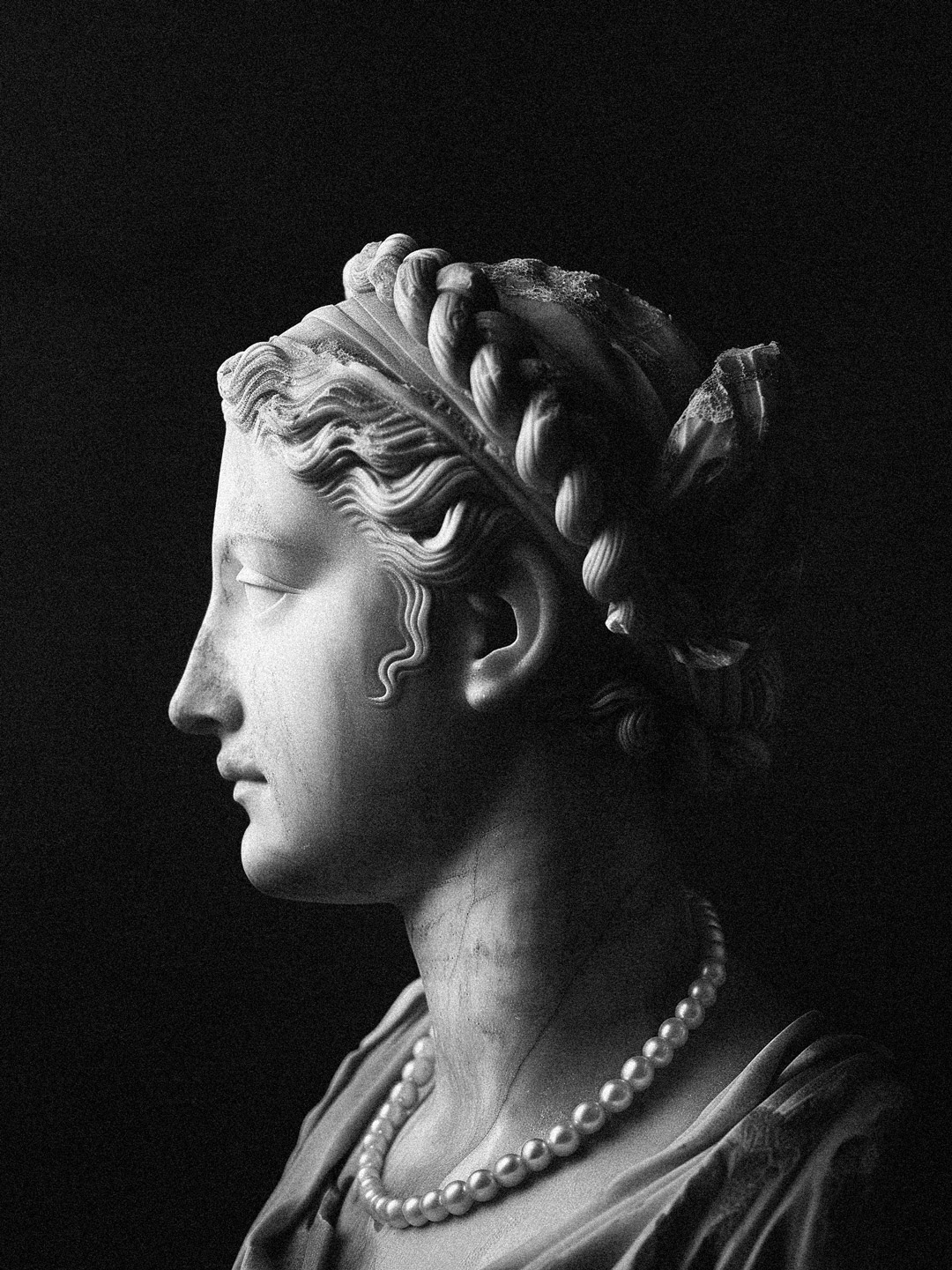
Sappho, spelled (in the dialect spoken by the poet) Psappho, (born c. 610, Lesbos, Greece — died c. 570 BCE). A lyric poet greatly admired in all ages for the beauty of her writing style.

Her language contains elements from Aeolic vernacular and poetic tradition, with traces of epic vocabulary familiar to readers of Homer. She has the ability to judge critically her own ecstasies and grief, and her emotions lose nothing of their force by being recollected in tranquillity.

Marble statue of Sappho on side profile.

Designed with WordPress