Slated for publication in Archaeology and Science Vol. 12 (2016),“Pylos tablet Py TA 641-1952 (Ventris), the ‘Rosetta Stone’ to Minoan Linear A tablet HT 31 (Haghia Triada) vessels and pottery”:“Pylos tablet Py TA 641-1952 (Ventris), the ‘Rosetta Stone’ to Minoan Linear A tablet HT 31 (Haghia Triada) vessels and pottery”, is definitively slated for publication in Vol. 12 (2016) in the prestigious international annual, Archaeology and Science ISSN 1452-7448 (release date spring 2018). To be submitted by Nov. 15, 2016. This is the ground-breaking article in which I announce to the world my success at a partial decipherment of some of the vocabulary of Minoan Linear A, not of the language itself, which no one is in a position to decipher, given the extreme paucity of extant tablets and fragments (<500), of which the vast majority are fragments. In the progressive layout of the draft of this revolutionary article, I shall be featuring the following Minoan Linear A tablets and commentaries on Minoan Linear A in my article (in this approximate order), as per previous posts on this blog (Click on each link to visit its post): INTRODUCTION Linear B tablet Pylos TA 641-1952 (Ventris) is the Mycenaean Linear B “Rosetta Stone” for Minoan Linear A tablet HT 31 (Haghia Triada)
5 words of vessel types in Minoan Linear A: Linear A tablet HT 31 (Haghia Triada)
Linear A tablet tagged “19” & the Minoan word for “tripod” = puko (confirmation)
FAILED DECIPHERMENTS
Proto-Slavic interpretation of Minoan Linear A tablet HT 13 (Haghia Triada) — another decipherment gone awry
2 vastly different decipherments of Minoan Linear A tablet HT 13 (Haghia Triada). Does either measure up?
What are the current prospects for deciphering Minoan Linear A? Dismal but…
PRINCIPLES & CROSS-CORRELATION
The 5 principles applicable to the rational partial decipherment of Minoan Linear A The principle of cross-correlative cohesion between Minoan Linear A & Mycenaean Linear B & logical fallacies
ACTUAL MINOAN LINEAR A TABLETS SUSCEPTIBLE TO AT LEAST PARTIAL DECIPHERMENT Minoan Linear A tablet HT 132 qareto = lease field (post lost, to be reposted)
Mycenaean Linear B tablets on terms and activities related to olive oil as templates for cross-correlation to Minoan Linear A tablets
Minoan Linear A tablet HT 12 & qatidate = Mycenaean Linear B erawa = olive tree(s)
Minoan Linear A kirita2 (kiritai) = delivery & kiretana = delivered (nos. 67 & 68 deciphered)
Minoan Linear A tablet HT 13 (Haghia Triada) & wine
Minoan Linear whorls unearthed by Heinrich Schliemann at Troy in 1875 & their striking similarity to the Linear A whorls (recto/verso) illustrated here
Minoan Linear A words: 7 types of cloth on tablet HT 117 (Haghia Triada) compared with 7 types of cloth in Mycenaean Linear B
GLOSSARY OF MINOAN LINEAR A TERMS & CONCLUSIONS Glossary of 134 words & Partial decipherment of Minoan Linear A : a rational approach from Mycenaean Linear B (final version)

KEY POST! Slated for publication in Archaeology and Science Vol. 12 (2016),“Pylos tablet Py TA 641-1952 (Ventris), the ‘Rosetta Stone’ to Minoan Linear A tablet HT 31 (Haghia Triada) vessels and pottery”

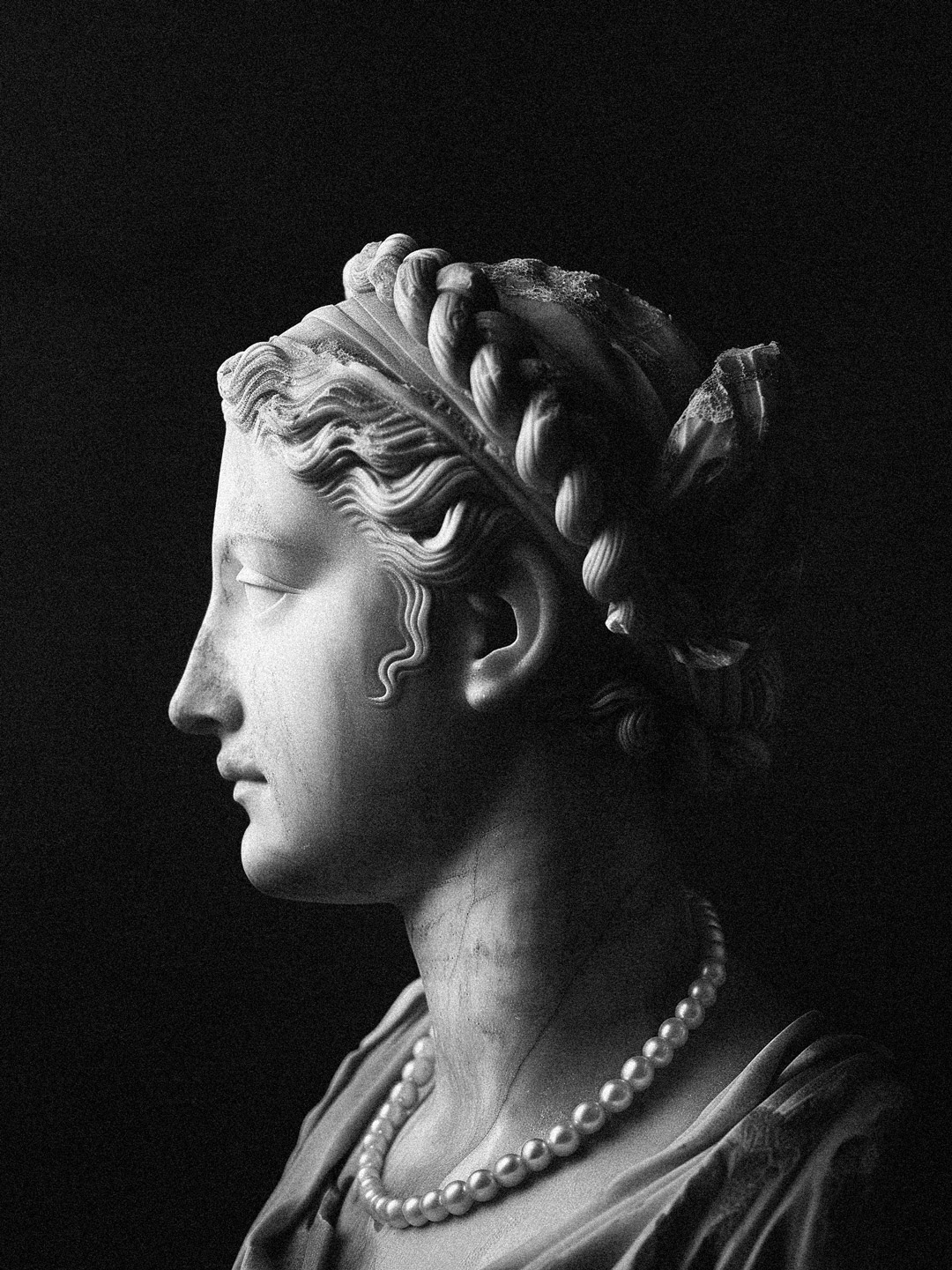
Sappho, spelled (in the dialect spoken by the poet) Psappho, (born c. 610, Lesbos, Greece — died c. 570 BCE). A lyric poet greatly admired in all ages for the beauty of her writing style.
Her language contains elements from Aeolic vernacular and poetic tradition, with traces of epic vocabulary familiar to readers of Homer. She has the ability to judge critically her own ecstasies and grief, and her emotions lose nothing of their force by being recollected in tranquillity.
Designed with WordPress
2 responses to “KEY POST! Slated for publication in Archaeology and Science Vol. 12 (2016),“Pylos tablet Py TA 641-1952 (Ventris), the ‘Rosetta Stone’ to Minoan Linear A tablet HT 31 (Haghia Triada) vessels and pottery””
[…] KEY POST! Slated for publication in Archaeology and Science Vol. 12 (2016),“Pylos tablet Py TA 64… […]
[…] Source: KEY POST! Slated for publication in Archaeology and Science Vol. 12 (2016),“Pylos tablet Py TA 641… […]