5 words of vessel types in Minoan Linear A: Linear A tablet HT 31 (Haghia Triada)
On Linear A tablet HT 31 (Haghia Triada), in addition to the word puko = “tripod” in Minoan Linear A, we find 5 more words of vessel types, which we can at least generically translate. The first 3 are qapai, supu & karopai, each of which is counted only 10 times. This figure is significant in itself, given that the next 2 vessels, supaira & paraqe, are counted 300 & 3,000 times successively. We can therefore surmise with reasonable certainty that supaira & paraqe are much smaller vessels than the first 3. Of the first 3, one at least is highly likely to be the equivalent of dipa mezoe = the large(st) vessel on Pylos Linear B tablet PY TA 641-1952 (Ventris). Which one I cannot say for sure, but my bet is on the second one, given that it ends in pu, which I take to be a macro designator, in light of the fact that [1] [3] & [2] end in pai, which I understand to be a micro designator or diminutive. More on this is later posts. Notice that each of the 5 words for vessels is enclosed in a cartouche, which is a carry-over from the ancient Egyptian hieroglyphic practice of using cartouches on their columns to designate the names of gods and the Pharoahs. In other words, the cartouche encloses important words. And so it is with this Linear A tablet. Dipa mezoe is the equivalent of the classical Greek word, pithos, which refers to the largest possible vessels, generally for the storage of wine or at Knossos, for olive oil, as illustrated here:

5 words of vessel types in Minoan Linear A: Linear A tablet HT 31 (Haghia Triada)

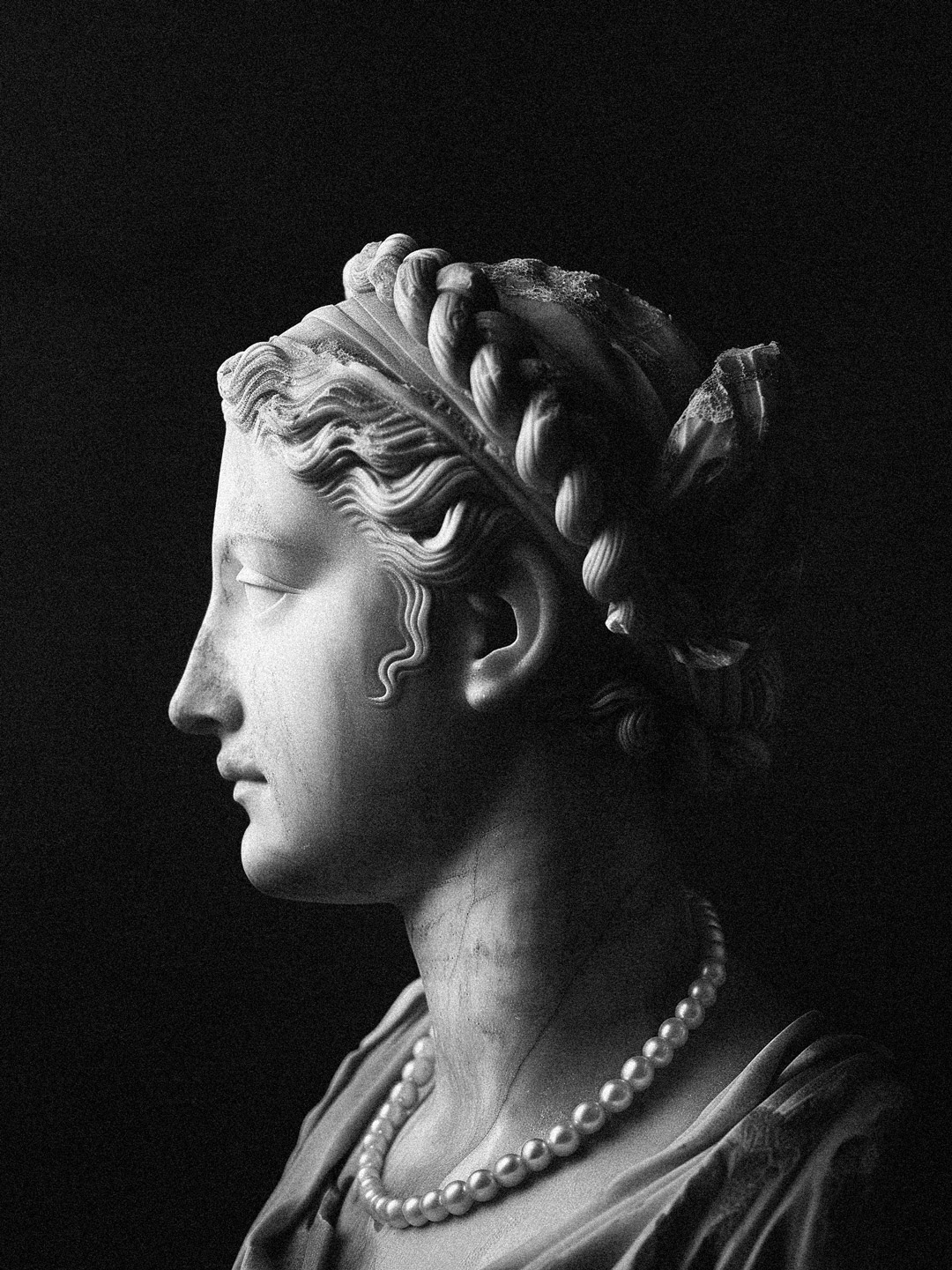
Sappho, spelled (in the dialect spoken by the poet) Psappho, (born c. 610, Lesbos, Greece — died c. 570 BCE). A lyric poet greatly admired in all ages for the beauty of her writing style.
Her language contains elements from Aeolic vernacular and poetic tradition, with traces of epic vocabulary familiar to readers of Homer. She has the ability to judge critically her own ecstasies and grief, and her emotions lose nothing of their force by being recollected in tranquillity.
Designed with WordPress
2 responses to “5 words of vessel types in Minoan Linear A: Linear A tablet HT 31 (Haghia Triada)”
Reblogged this on KORYVANTES Association published work.
This interpretation is interesting Richard. I now need a file for Linear A