Statistical incidence of various types of gains and of flax on Linear A tablets from Haghia Triada and elsewhere, now on academia.edu

Statistical incidence of various types of gains and of flax on Linear A tablets from Haghia Triada and elsewhere, now on academia.edu
Statistical incidence of various types of grains on Linear A tablets from Haghia Triada and elsewhere:

akaru = field HT 2 (20+) HT 86 X2 (20+ )
TOTAL = 40+
barley
kireta2 (kiretai) = barley HT 85 (1) + HT 129 (33)
TOTAL = 34
kiretana = barley-like HT 2 (54+) HT 8 X 2 (5) HT 108 (1) HT 120 (60)
TOTAL = 120
einkorn wheat
dideru = einkorn wheat HT 86 X 2 (2nd. trunc.) (20) HT 95 X 2 (20)
TOTAL = 40
emmer wheat
kunisu = emmer wheat HT 10 (0) HT 86 X 2 (40+) HT 95 X 2 (30)
TOTAL = 70+
flax
[sara2 = flax HT 18 (10) HT 28 X 2 (21) HT 30 (0) HT 32-34 (0) HT 90 (20) HT 93 (20) HT 94 (5) HT 97 (0) HT 99 (4+) HT 100-102 (985+) HT 105 (234) HT 114 (10) HT 121 (5) HT 125 (2) HT 130 (0)
TOTAL = 1306+
+ saru (oblique case) HT 86 X 3 (41+) HT 95 X 2 (30) HT 123+124 (16 )
TOTAL = 87+
TOTAL for all references to flax = 1393]
spelt or millet
dame = spelt or millet HT 86 (20) HT 95 X2 (20) HT 120 (74)
TOTAL = 94
millet or spelt
qera2u/qera2wa = millet or spelt HT 1 (197) HT 95 X2 (17)
TOTAL = 214
durare = durum wheat? Knossos KN Zc 7 (0)
TOTAL = 0
minute = a type of grain -or- “and for a month” HT 86 (20) HT 95 X2 (20) HT 106 (6+)
TOTAL = 46+
pura2 = a type of grain HT 28 (6) HT 116 (45) KN 54 (0)
TOTAL = 51
qanuma = ditto HT 116 (20) KH 88 (Khania) (10)
TOTAL = 20
standard units of measurement on all Linear A tablets:
adu HT 85 (0) HT 86 (0) HT 88 (20) HT 92 (680) HT 95 (0) HT 99 (0) HT 133 (55) (bales?)
TOTAL = 755
adureza (0) = standard unit of dry measurement, something like a bushel
dureza (7 ) = variant of the same
TOTAL = 7
kireza ( 42) = standard unit of measurement for figs, dates or grapes = 1 basket
TOTAL = 42
reza (67+ ) = standard unit of linear measurement
TOTAL = 67+
tereza (0) = standard unit of liquid measurement
© by Richard Vallance Janke 2017
Linear A rock crystal vase IO Za 10 from Iouktas:The finely chiselled Linear A rock crystal vase IO Za 10 from Iouktas appears to bear an inscription along the lines of, “the peak sanctuary or shrine of the goddess of healing and health”. I came to this conclusion in the following manner. The word zudisika appears to be a composite Linear A word, of which the first two syllables, zudi, are Old Minoan (OM), while the last two syllables, sika, are almost certainly Mycenaean-derived New Minoan (NM1). Linear A sika corresponds neatly with archaic Greek sika, which is arch. accus. for sikos (Latinized), meaning “a sacred precinct or shrine”. It is a historical fact that there were numerous peak sanctuaries in the Minoan eras. So it strikes me that zudi may very well mean, “summit or peak”, hence our decipherment, which after all is said is done, makes perfect sense. This decipherment is strongly corroborated by the fact that Juktas (Iouktas)is indeed a Middle Minoan peak sanctuary! Click to visit:


Linear A vase rim fragment IO Za 9 from Iouktas:

Linear A vase rim fragment IO Za 9 from Iouktas appears to deal with the goddess of healing and health offering her powers and blessings as balms to heal someone who is ill. The significance of the Old Minoan word (OM) unaka can only be divined from context. It appears to mean “illness” or “disease”, as that interpretation does suit the context. But we can never really know.
As for jasasa, this word appears to be an oblique case for jasa (arch. acc) of jaso, the goddess of healing and health. So this vase rim would appear to say something like, “due to the goddess of healing and health offering balms to a person’s disease”.
On his site, Prof. John G. Younger refers to the right-to-left writing of jasasa as retrograde, but there is no such linguistic term. What he ought to have said was sinistrograde.
Linear A tablet HT 133 (Haghia Triada) fully deciphered:

The intriguing thing about this tablet is this: apart from the word adu, which apparently means something like “bales”, the rest of the tablet contains only supersyllabograms. If indeed adu does refer to something like bales of wheat, and if te is the abbreviation for terikama, which refers to something like an acre, then the tablet makes complete sense. 55 bales per acre. A good yield.
Now on academia.edu. Are Minoan and Mycenaean fractions fractions?
Click to download:

This very brief, but informative tract is a real eye opener.
the Linear A vessel (vase) AP Za 2 from Apodoulou: mostly topomastics and epomastics?

It appears that Linear A vessel (vase) AP Za 2 from Apodoulou is loaded with epomastics. The words are so long that it appear that it cannot be otherwise. Moreover, some of the terms appear to be agglutinated, e.g. ipinamite, inajareta and ikupa3namate (ikupainamate). The only word which appears not to be an eponym is ipinamite i0pneumi/te (instrumental singular) = with/for baked (bread). Since there are so many names, it is difficult to imagine that they are the owners of the vase. But they may very well be bakers, given the context. This would imply that the vase is full of (einkorn or emmer?) wheat to be used for baking bread.
Are Minoan and Mycenaean fractions fractions? I am not at all convinced
Since Minoan and Mycenaean fractions, as estimated by Andras Zeke of the Minoan Language Blog and Prof. John G. Younger, fall as low as 1/10 and 1/32, I am not at all convinced that these are fractions at all. They are, as far as I can tell, crop shares. This makes a lot more sense, since we are dealing with farming, where crop shares have always been of paramount importance. As for units of measurement, we have no real idea what they were, since Minoan Crete and the Mycenaean Empire are so remote in history. No one can possibly determine fractions that far back in history. In fact, Prof. Younger and Andras Zeke cannot even agree on the values of the fractions... not that that argument invalidates the notion they are not fractions. That is a specious argument. However, it makes more sense to consider these as crop shares, especially in view of the fact that some of the Mycenaean symbols are so remarkably similar to their Minoan counterparts. The appearance of symbols has nothing to do with what we take them to mean. This again is an arbitrary decision, which may be right or wrong.
Linear A haiku: the sea emmer wheat raindrops: Believe it or not, I was also able to compose a haiku in Linear A, which reads as follows,Note that while the word for sea, tarasa, does not appear on any extant Linear A tablets or fragments, it does appear in the pre-Greek substratum, and may very well have existed in the Minoan vernacular.
Supersyllabograms on the large Linear A tablet in the A.Y. Nikolaos Museum, Crete:

There are a total of 6 supersyllabograms on the large Linear A tablet in the A.Y. Nikolaos Museum, Crete, far more than on any other Linear A tablet. In fact, there is no text at all on this tablet, which makes it unique in the Linear A repertoire. All in all, there are 27 supersyllabograms in Linear A, versus 36 in Linear B. The Minoans and not the Mycenaeans invented supersyllabograms. Since many visitors to our site are unfamiliar with supersyllabograms, even though they have been defined here on several occasions, a supersyllabogram is the first syllabogram, i.e. the first syllable of a particular word of major import in any of the major sectors of the Minoan economy. On this tablet, we find 7, of which one is not actually a syllabogram but a symbol. They are as follows:
1 SU (a) OM (Old Minoan) supa2 (supai) + supa2ra (supa2ra) = a small cup with handles
2 A2/AI OM? unknown, currently indecipherable
3 U NM1 (New Minoan) udiriki = with water (instr. Sing.) = hudriki (archaic Greek Latinized
4 PO NM1 potokuro = reaching a full drink, i.e. a draught (agglutinative) = poton + kurwn (archaic Greek latinized)
5 a hook which symbolizes a handle
6 A NM1 aresana = an embossed cup (archaic acc.) = aleissana (archaic Greek Latinized)
SU (b) OM sup1/supu/supu2 = the largest size pithos
NOTE that all of the supersyllabograms on this tablet deal with vessels and pottery.
Linear A contains 27 supersyllabograms, some of which are Mycenaean-derived New Minoan (NM1) and others Old Minoan, i.e. in the original Minoan substratum, as illustrated in this table:

The Decipherment of Supersyllabograms in Linear A will be the feature article in Vol. 13 (2017) of Archaeology and Science (Belgrade) ISSN 1452-7448 , to be published early in 2019. This article is to be the follow-up to The Decipherment of Supersyllabograms in Linear B, Vol. 11 (2015), currently online on academia.edu here:

The Comprehensive Linear A Lexicon of 1030 New Minoan, pre-Greek substratum and Old Minoan vocabulary, with extensive commentaries, is now in its pre-publication phase:

Commentary by one of my visitors at academia.edu on the enormous potential impact of my Linear A Lexicon of 1031 words, even from the Preview online:
Et je cite Alexandre Solcà de l’Université de Genève
Oui, votre lexique, j’en suis convaincu, est un travail exceptionnel et sera une source importante de comparaisons pour établir le contenu des mots utilisés.
And I quote Alexandre Solcà of the Université de Genève:

Yes, I am convinced that your lexicon is an exceptional study and that it will be a major source of research founded on comparisons (with Linear B) to establish the context of (Linear A) words in use.
Richard
POST 1600: On academia.edu: Minoan Linear A tablet HT 95, emmer and einkorn wheat, other grains and flax:

I have just uploaded an article on academia.edu: Minoan Linear A tablet HT 95, emmer and einkorn wheat, other grains and flax, which you can find here (Click on the banner):
I encourage you to download it and read it, as it is only 4 pages long.
HT 95 (Haghia Triada), dealing emmer and einkorn wheat, is one of the most significant of all Linear A tablets:Linear A tablet, HT 95 (Haghia Triada), which deals with various grain crops, i.e. emmer and einkorn wheat, millet and spelt, and with flax, is unquestionably the most important Linear A tablets, with the possible exception of HT 86, dealing with the same roster of grains, inscribed exclusively in Old Minoan. When I posted HT 86 (Haghia Triada) the first time round, I established that kunisu meant “emmer wheat” and dideru “einkorn wheat”, but I was not quite sure I had them in the right order. Thanks to Cyrus G. Gordon, who makes the following statement: ... Linear A ku-ni-su must mean some kind of wheat because it is followed by the WHEAT determinative. Now kunnisu is a Semitic word for “emmer wheat” so that Linear A ku-ni-su WHEAT “emmer wheat” not only adds a word to our Minoan vocabulary but it also establishes Ventris’s (sic) readings of the ku, ni and su signs. (italics mine) we now know beyond doubt that kunisu does mean emmer wheat, just as I had suspected. Consequently, since these two types of wheat appear conjointly here and very close together on HT 86, we are left to draw the conclusion that dideru means einkorn wheat. Now dideru appears 4 times on HT 86 & 95, while kunisu appears once on HT 10 & HT 79, and 4 times on HT 86 & 95, for a total of 6 times. So it pretty much goes without saying that these two grains play a significant role in the Minoan diet. This should come as no surprise to anyone familiar with Late Neolithic and Bronze Age Mediterranean and Middle Eastern diets, since these two grains were the predominant ones in all societies in these regions. This will become blatantly obvious when I publish the Comprehensive Linear A Lexicon of 1031 New Minoan, pre-Greek substratum and Old Minoan words sometime in July, from which I cite all the references dealing with grain crops in the Late Neolithic and Bronze Age Mediterranean and Middle Eastern diets in REFERENCES below (Note that I have italicized explicit references to major grains in each title dealing with the same). As for dame and qera2u (qeraiu), proper identification is a bit problematic, because we do not know which is which. This is why I have tagged dame with the reference [1], signifying it could mean either spelt or millet, and qera2u (qeraiu) with [3], meaning either millet or spelt (the reverse). But the problem is that we are confronted with 2 permutations here. By this we mean that dame could mean either spelt or millet or vice versa, and qera2u (qeraiu) millet or spelt or millet or vice versa. Either way, dame means one of the two, while qera2u (qeraiu) the other. But how do we know this? It just so happens that, after emmer and einkorn wheat, the next most common grains in the Bronze Age Mediterranean and Middle East were millet and spelt. So chances are good that dame and qera2 (qeraiu) each references one or the other. The reference note [2] with flax indicates two things, (a) first that flax is in an oblique case, probably instrumental, i.e. with flax, since the nominative is sara2 (sarai) & (b) the standard unit of measurement is probably not something a bushel, because flax is extremely light. What it is we shall never know, since after all we have no real concept of what any standard unit of measurement, dry or liquid, was either in Minoan Linear A or Mycenaean Linear B. These civilizations are so remote in the distant past that any attempt at determining standard units of measurement amounts to nothing more or less than a wild guess. Nevertheless, we find that we are able to decipher HT 95 with a reasonable degree of accuracy, and in the case of kunisu and dideru, with complete accuracy. So we can now say with confidence that these two grains have been conclusively deciphered once and for all time, thanks to Cyrus H. Gordon. © by Richard Vallance Janke 2017 REFERENCES: 1 Adu, Michael. Stay green in wheat: Comparative study of modern bread wheat and ancient wheat cultivars https://www.academia.edu/32352362/Stay_green_in_wheat_Comparative_study_of_modern_bread_wheat_and_ancient_wheat_cultivars 2 Beneš, Jaromír. Kernel Weights of Triticum, Hordeum, Avena, Secale and Panicum Species can be used for Better Estimation of Importance of Different Cereal Species in Archaeobotanical Assemblages https://www.academia.edu/31109189/Kernel_Weights_of_Triticum_Hordeum_Avena_Secale_and_Panicum_Species_can_be_used_for_Better_Estimation_of_Importance_of_Different_Cereal_Species_in_Archaeobotanical_Assemblages 3 Desheva, Gergana. Comparative Evaluation of Einkorn Accessions (Triticum monococcum L.) of Some Main Agricultural Characters https://www.academia.edu/33523050/Comparative_Evaluation_of_Einkorn_Accessions_Triticum_monococcum_L._of_Some_Main_Agricultural_Characters 4 Gordon, Cyrus H. Linguistic continuity from Minoan to Eteocretan http://smea.isma.cnr.it/wp-content/uploads/2015/06/Gordon_Linguistic-Continuity-from-Minoan.pdf 5 Mosenkis, Yuriy. MINOAN GREEK FARMING IN LINEAR A https://www.academia.edu/27669709/MINOAN_GREEK_FARMING_IN_LINEAR_A_Iurii_Mosenkis 6 Mueller-Bieniek, Aldona. Plant macrofossils from the site of Tell Arbid, Northeast Syria (3rd–2nd millennium BC). Preliminary report https://www.academia.edu/31923542/Plant_macrofossils_from_the_site_of_Tell_Arbid_Northeast_Syria_3rd_2nd_millennium_BC_._Preliminary_report 7 Poupet, Pierre. Approche pédoarchéologique des espaces de production agricole à l’âge du Bronze dans les montagnes méditerranéennes (exemples des Pyrénées-Orientales et de la Haute-Corse, France) https://www.academia.edu/32748459/Approche_p%C3%A9doarch%C3%A9ologique_des_espaces_de_production_agricole_%C3%A0_l_%C3%A2ge_du_Bronze_dans_les_montagnes_m%C3%A9diterran%C3%A9ennes_exemples_des_Pyr%C3%A9n%C3%A9es-Orientales_et_de_la_Haute-Corse_France_ 8 Salamini, F. AFLP Analysis of a Collection of Tetraploid Wheats Indicates the Origin of Emmer and Hard Wheat Domestication in Southeast Turkey https://www.academia.edu/33035148/AFLP_Analysis_of_a_Collection_of_Tetraploid_Wheats_Indicates_the_Origin_of_Emmer_and_Hard_Wheat_Domestication_in_Southeast_Turkey 9 Ibid. Genetics and geography of wild cereal domestication in the near east https://www.academia.edu/33035139/Genetics_and_geography_of_wild_cereal_domestication_in_the_near_east 10 Ibid. Molecular Diversity at 18 Loci in 321 Wild and 92 Domesticate Lines Reveal No Reduction of Nucleotide Diversity during Triticum monococcum (Einkorn) Domestication: Implications for the Origin of Agriculture https://www.academia.edu/33035113/Molecular_Diversity_at_18_Loci_in_321_Wild_and_92_Domesticate_Lines_Reveal_No_Reduction_of_Nucleotide_Diversity_during_Triticum_monococcum_Einkorn_Domestication_Implications_for_the_Origin_of_Agriculture 11 Shaaf, S. Evolutionary History of Wild Barley (Hordeum vulgare subsp. spontaneum) Analyzed Using Multilocus Sequence Data and Paleodistribution Modeling https://www.academia.edu/32892906/Evolutionary_History_of_Wild_Barley_Hordeum_vulgare_subsp._spontaneum_Analyzed_Using_Multilocus_Sequence_Data_and_Paleodistribution_Modeling 12 Stein, Gil. Isotope evidence for agricultural extensification reveals how the world's first cities were fed https://www.academia.edu/33353345/Isotope_evidence_for_agricultural_extensification_reveals_how_the_worlds_first_cities_were_fed 13 Ulanowksa, Agata. Different skills for different fibres? The use of flax and wool in textile technology of Bronze Age Greece in light of archaeological experiments. Workshop: The Competition of fibres, March 8-10, Excellence Cluster TOPOI (A-4), Textile Revolution https://www.academia.edu/31717946/Different_skills_for_different_fibres_The_use_of_flax_and_wool_in_textile_technology_of_Bronze_Age_Greece_in_light_of_archaeological_experiments._Workshop_The_Competition_of_fibres_March_8-10_Excellence_Cluster_TOPOI_A-4_Textile_Revolution_Freie_Universit%C3%A4t_Berlin_program_download_ 14 Yakar, Yak. The Nature and Extent of Neolithic Anatolia’s Contribution to the Emergence of Farming Communities in the Balkans - an Overview https://www.academia.edu/33025599/yakar_fur_festschrift_nikolov_web.pdf 15 You, Frank. The structure of wild and domesticated emmer wheat populations, gene flow between them, and the site of emmer domestication https://www.academia.edu/32014519/The_structure_of_wild_and_domesticated_emmer_wheat_populations_gene_flow_between_them_and_the_site_of_emmer_domestication 16 Zapata, Lydia. Hulled wheats in Spain: history of minor cereals https://www.academia.edu/33394959/Hulled_wheats_in_Spain_history_of_minor_cereals17 17 Ibid. Measuring grain size and assessing plant management during the EPPNB, results from Tell Qarassa (southern Syria) https://www.academia.edu/33337133/Measuring_grain_size_and_assessing_plant_management_during_the_EPPNB_results_from_Tell_Qarassa_southern_Syria_ 18 Ibid. The spread of agriculture in northern Iberia: New archaeobotanical data from El Mirón cave (Cantabria) and the open-air site of Los Cascajos (Navarra) https://www.academia.edu/32531730/The_spread_of_agriculture_in_northern_Iberia_New_archaeobotanical_data_from_El_Mir%C3%B3n_cave_Cantabria_and_the_open-air_site_of_Los_Cascajos_Navarra_
Linear B tablet HT 118 (Haghia Triada), livestock on plots of land:

While this tablet does present some problems in the decipherment of the kinds of livestock on it, that does not mean we do not have a relatively reasonable picture of which ones they are. Beside madi, which appears to mean “pig” from the context, the other 3 are qaqaru, arisa and riruma. Now these 3 probably mean “cow”, “bull” and “ox” in turn. But if they must be permuted. In other words, if the first word, qaqaru, means “cow”, then the other two mean “bull” and “ox”, but in which order we cannot tell. Thus, it is necessary to permute all 3 words for all 3 kinds of livestock at each occurrence. The supersyllabogram KI almost certainly refers to “a plot of land”, because it is repeated twice, and after all, we do find livestock on plots of land.
I have now deciphered, in whole or in part, 17 tablets from Haghia Triada alone, and somewhere in the order of 35 altogether, regardless of provenance.
New interpretation of Linear A tablet PE 1 (Petras), grain crops:
In light of recent crucial discoveries I have made with respect to the cultivation of grain crops in the Bronze Age, particularly in Crete, I have revised my original decipherment of this tablet to read as follows:

Although it is uncertain whether or not the supersyllabogram PA refers to pa3qe (paiqe) or even if that word refers to the specific crops, millet or spelt, at least we do know the tablet is referencing grains throughout, because the ideogram for them appears twice, with the same supersyllabogram both times. It would appear that the 72 men are the sowers or harvesters. If that is the case, then ukare or asesina might mean “sowing” or “harvesting”, more likely the latter than the former. The addition of these two new words raises the total number of entries in the Comprehensive Linear A Lexicon from 1029 to 1031, now 257 more than the 774 in the Linear A Reverse Lexicon by Prof. John G. Younger, such that our lexicon is 25 % larger than his.
Preview of the most Complete Linear A Lexicon of 1029 words ever compiled in history soon to be published on academia.edu just uploaded:This Preview of the most Complete Linear A Lexicon of 1029 words ever compiled in history soon to be published on academia.edu.pdf is in and of itself a lengthy article (14 pages long), offering full insight into the massive extent and impact of the actual lexicon, Comprehensive Lexicon of 1029 New Minoan, pre-Greek substratum and Old Minoan words, with extensive commentaries, soon to be published on my academia.edu account (sometime in July 2017). The actual Lexicon will be at least 45 pages long, and will include all of the following elements: 1. An in-depth introduction, comparing this Lexicon, with its 1029 Linear A terms with the Linear A Reverse Lexicon of Prof. John G. Younger, containing 774 intact Linear A words. To date, Prof. Younger’ Lexicon has always been considered the de facto standard of Linear A lexicons; but it falls far short of the mark. From scanning through every last Linear A tablet on Prof. Younger’s site, Linear A texts in phonetic transcription, I discovered scores of Linear A words which he missed in his Reverse Lexicon. I have also spent the last two years ransacking the Internet for every last scrap of evidence of extant Linear A tablets, fragments, roundels, pendants and inscriptions on pottery, only to unearth even more Linear words entirely overlooked by Prof. Younger, to the extent that I uncovered a total of 1029 Linear A exograms, 225 more than he did. Thus, our Comprehensive Linear A Lexicon is 27.7 % larger than his. 2. The Lexicon itself, containing 1029 words, of which over 160 are Mycenaean-derived New Minoan, some 85 are either toponyms or eponyms, a few score fall within the pre-Greek substratum and at least 80 are Old Minoan words I have been able to decipher, more or less conclusively. As for the remainder of the Old Minoan substratum, i.e. the original pre-Greek Minoan language, I have been unable to decipher the rest of its vocabulary. But believe it or not, this factor is less of an impediment to the decipherment of Linear A than we might otherwise believe. I have been able to decipher at least 350 words out of a total of 1029, which is to say about 33 % of Linear A. 3. Each section of the final Comprehensive Lexicon, i.e. A: Mycenaean-derived New Minoan NM1 B: the pre-Greek substratum C: eponyms and toponyms D: Old Minoan vocabulary and E: ligatured logograms is accompanied by a detailed analysis and survey of its contents. 4. The final Lexicon contains a comprehensive bibliography of 84 items on every aspect I have detailed of the decipherment of Linear A as outlined in this preview.
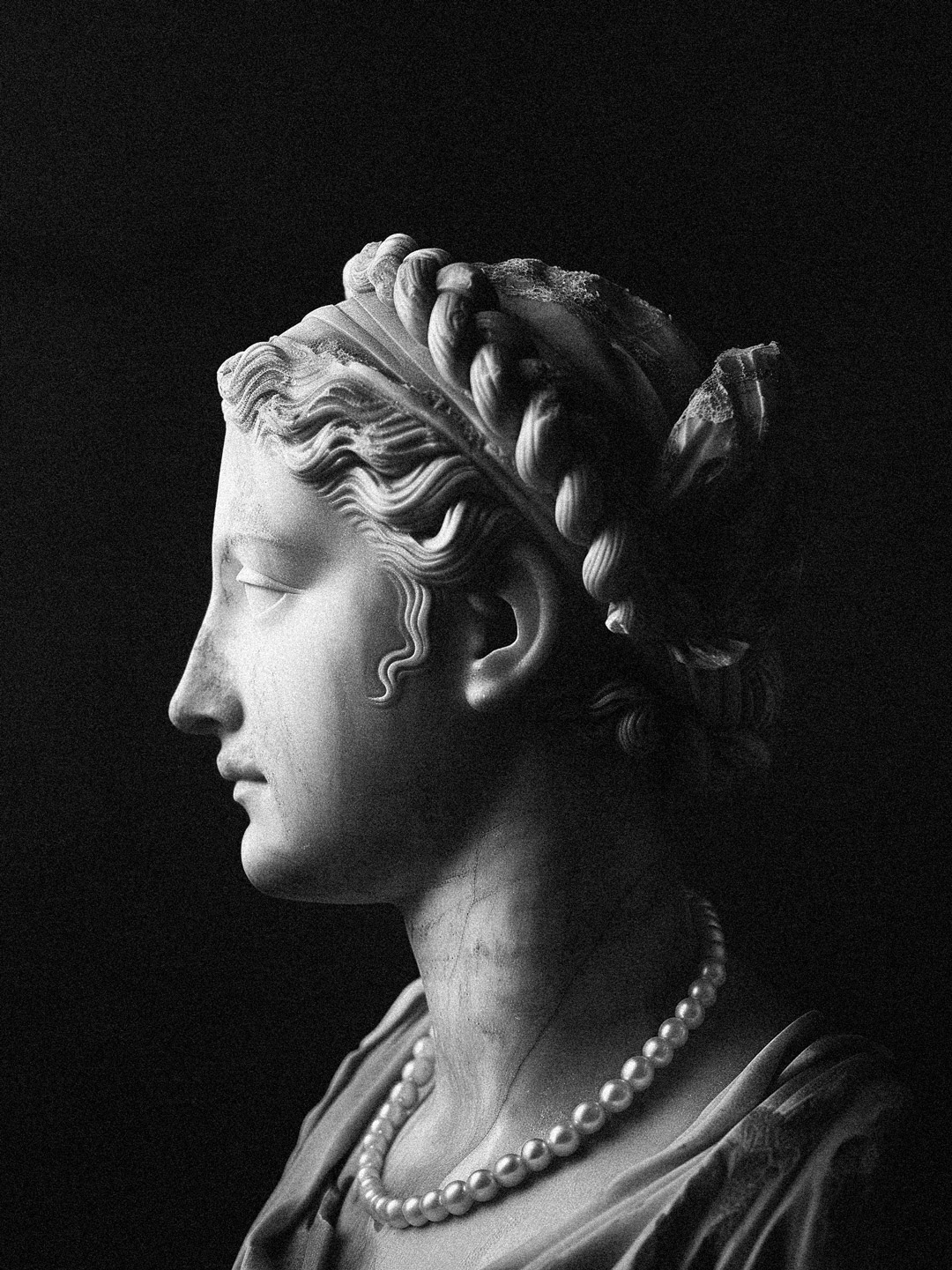
Sappho, spelled (in the dialect spoken by the poet) Psappho, (born c. 610, Lesbos, Greece — died c. 570 BCE). A lyric poet greatly admired in all ages for the beauty of her writing style.
Her language contains elements from Aeolic vernacular and poetic tradition, with traces of epic vocabulary familiar to readers of Homer. She has the ability to judge critically her own ecstasies and grief, and her emotions lose nothing of their force by being recollected in tranquillity.
Designed with WordPress


You must be logged in to post a comment.