summer haiku – the saffron goddess = la déesse du safran séa saraí sápa punikása adakísika * * The Linear A text of this haiku is absolutely beautiful! Read it for yourself. Just let the words flow off your tongue, with the stress on the syllables marked with an acute accent. The ancient Minoan language was spoken from around 1,700 – 1,500 BCE. My colleague, Alexandre Solcà and I are in the process of deciphering it. The script it is written in, which appears first in the haiku/haiga above, is called a syllabary, in which each “syllable” consists of a consonant + a vowel, as opposed to an alphabet, in which we find both single consonants and vowels. We believe it is proto-Greek, the immediate predecessor of ancient Greek.the saffron goddess her crimson dress adorned with ivy la déesse du safran sa robe cramoisie embellie de lierre Richard Vallance
summer haiku – the saffron goddess = la déesse du safran

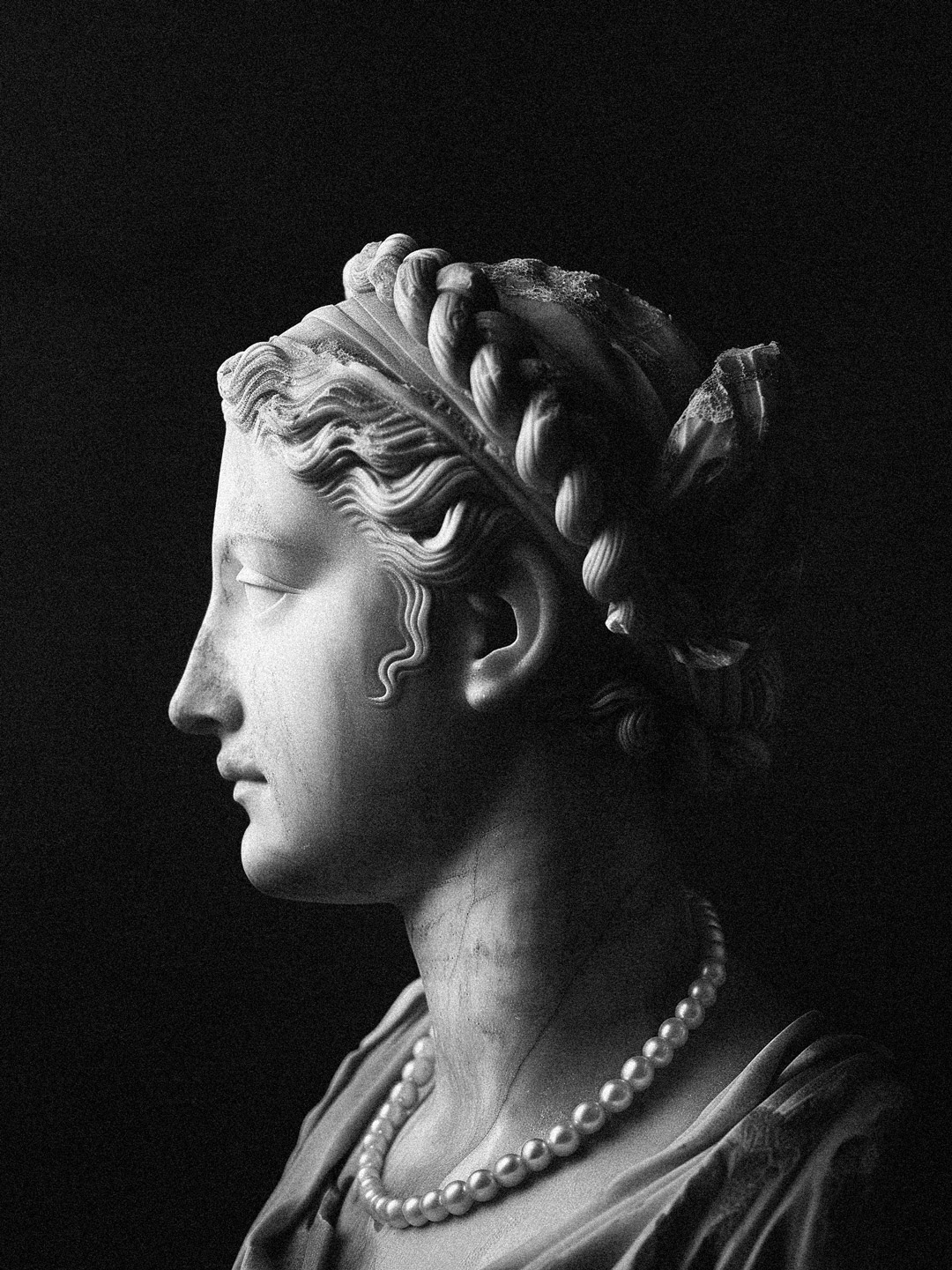
Sappho, spelled (in the dialect spoken by the poet) Psappho, (born c. 610, Lesbos, Greece — died c. 570 BCE). A lyric poet greatly admired in all ages for the beauty of her writing style.
Her language contains elements from Aeolic vernacular and poetic tradition, with traces of epic vocabulary familiar to readers of Homer. She has the ability to judge critically her own ecstasies and grief, and her emotions lose nothing of their force by being recollected in tranquillity.
Designed with WordPress
4 responses to “summer haiku – the saffron goddess = la déesse du safran”
My favourite from Akrotiri !!
from Akrotiri! I did not know that! This is a stunning fresco!
It most certainly is.
mine too!