Translation of Knossos tablet KN LD (1) 573 by Rita Roberts:This tablet presents several difficulties. While a literal translation is adequate, we must use our imagination to render a fluent translation. For instance, in line 1.we translate “delivered free” as “tariff free”, since in line 2. the cloth is “foreign”, i.e. “imported”, as well as being “decorated” or more accurately “embroidered”. In addition in 3. the supersyllabogram WI can mean either simply “leather” or “made of leather”, implying that there is a piece made of leather to go with the imported embroidered cloth. So as we can see, this is far from being a straightforward translation. It is in fact one of the most difficult tablets Rita Roberts has ever had to translate.
Translation of Knossos tablet KN LD (1) 573 by Rita Roberts

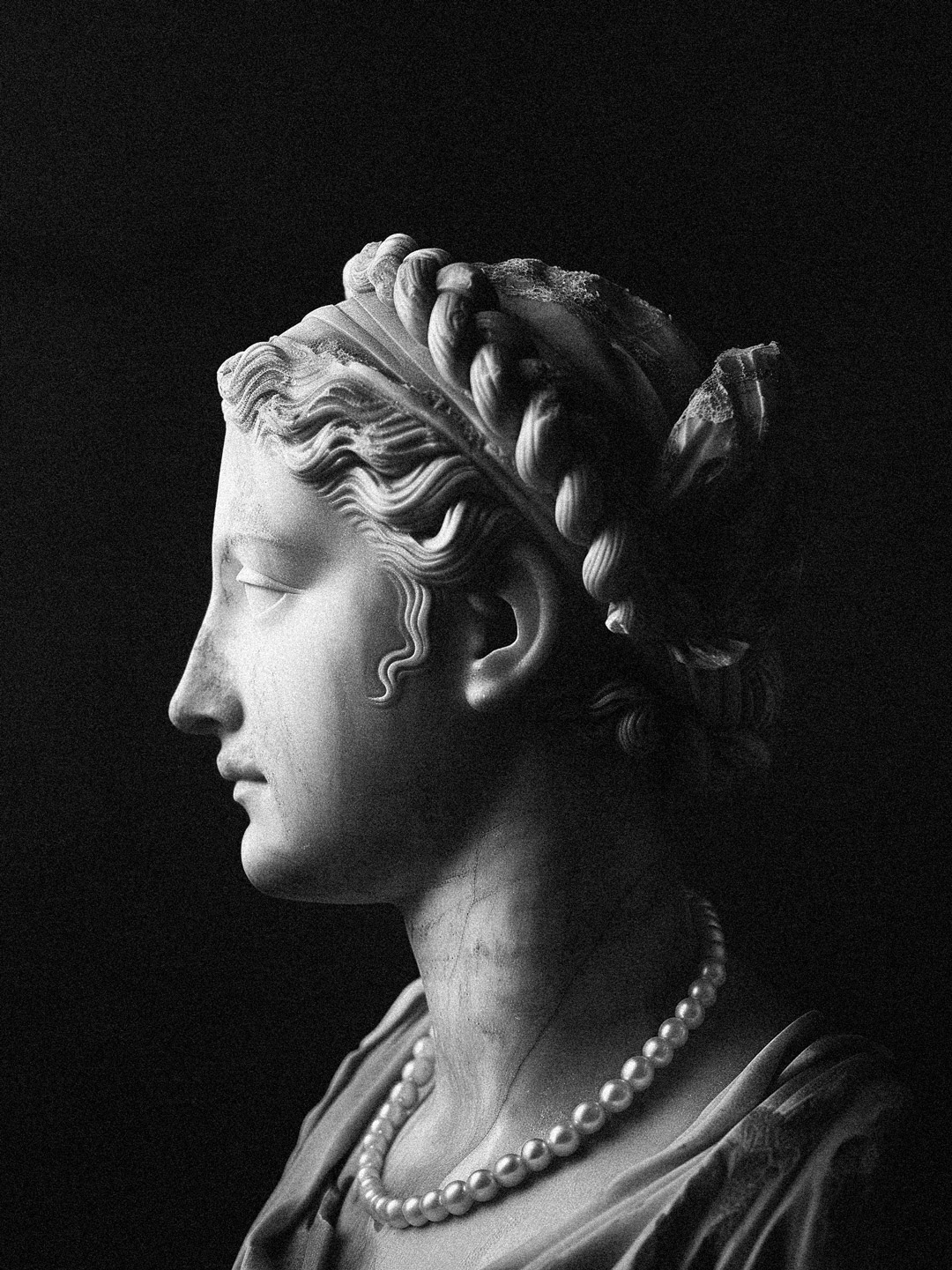
Sappho, spelled (in the dialect spoken by the poet) Psappho, (born c. 610, Lesbos, Greece — died c. 570 BCE). A lyric poet greatly admired in all ages for the beauty of her writing style.
Her language contains elements from Aeolic vernacular and poetic tradition, with traces of epic vocabulary familiar to readers of Homer. She has the ability to judge critically her own ecstasies and grief, and her emotions lose nothing of their force by being recollected in tranquillity.
Designed with WordPress
4 responses to “Translation of Knossos tablet KN LD (1) 573 by Rita Roberts”
It certainly was a difficult one. Thanks for publishing it Richard.
Very very very difficult. It is amazing either of us can translate it accurately!
Reblogged this on Ritaroberts's Blog.
Thanks, Rita!