The ancient Greek alphabetical numeric system:This chart illustrates both the ancient Greek acrophonic and alphabetical numeric systems. However, the acrophonic system, used primarily in Classical Athens ca. 500 – 400 BCE, came much later than the alphabetical system. So in effect we must resort to the only Greek numeric system we can use to represent numbers in Mycenaean Greek numbers, i.e. the alphabetical system. The alphabetical numbers are displayed in the second column after the modern numbers, 1 – 100,000 in the following chart. Here are some examples of alphabetic numbers representing Mycenaean numbers:

The ancient Greek alphabetical numeric system

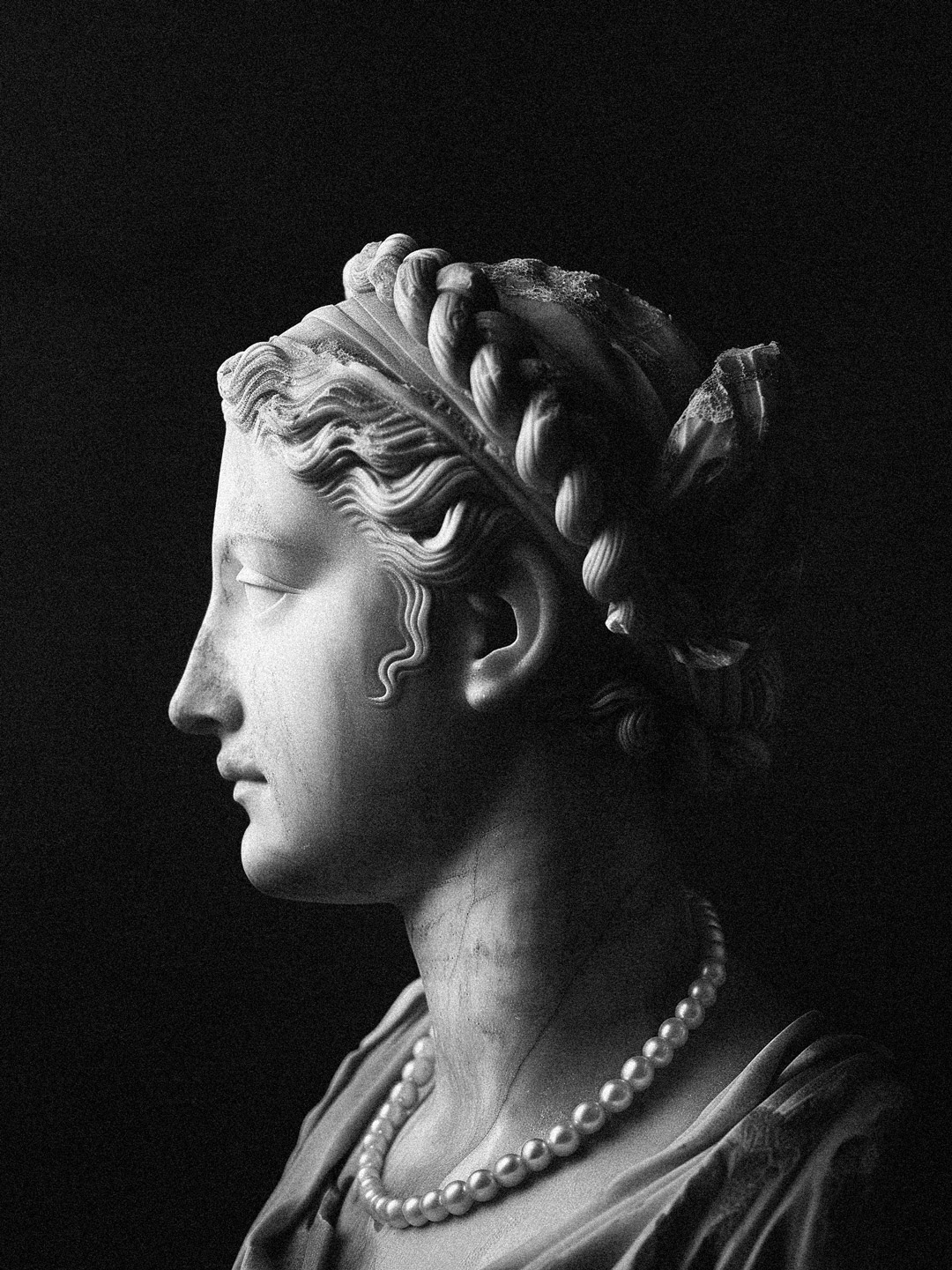
Sappho, spelled (in the dialect spoken by the poet) Psappho, (born c. 610, Lesbos, Greece — died c. 570 BCE). A lyric poet greatly admired in all ages for the beauty of her writing style.
Her language contains elements from Aeolic vernacular and poetic tradition, with traces of epic vocabulary familiar to readers of Homer. She has the ability to judge critically her own ecstasies and grief, and her emotions lose nothing of their force by being recollected in tranquillity.
Designed with WordPress
2 responses to “The ancient Greek alphabetical numeric system”
O.K. Thanks Richard.
No problem! You should be able to write any Linear B number in ancient Greek now, just by consulting the chart.