Converting Linear B to ancient Greek, Level 1b:Table 2 above illustrates further refinements in the conversion of Linear B spelling to (archaic) ancient Greek orthography. We note in particular Linear B pedira, which becomes pe/dila in ancient Greek. This is because there exists no L series of syllabograms, i.e. LA LE LI LO LU, in Linear B. On the other hand, a great many (archaic) ancient Greek words contain the letter l (lambda) = l Latinized. One such word is pe/dila. So it is to be expected that the l (lambda) = l Latinized in words such as pe/dila must be represented by R in Linear B. There is just no way around it. Next, we have the word onata in Linear B, which of course turns out to be o/nata in (archaic) ancient Greek, just as we would naturally expect. But this word has an alternative spelling o/naton, which is not feminine at all, but rather neuter. Now it just so happens that almost all neuter words in ancient Greek must terminate in n, Latinized as n. But since Linear B is a syllabary, it is impossible for any Linear B word to end in a consonant. However, since almost all neuter ancient Greek words end in n, this consonant must be added to the ancient Greek equivalent of the Linear B word to which it corresponds.
Converting Linear B to ancient Greek, Level 1b

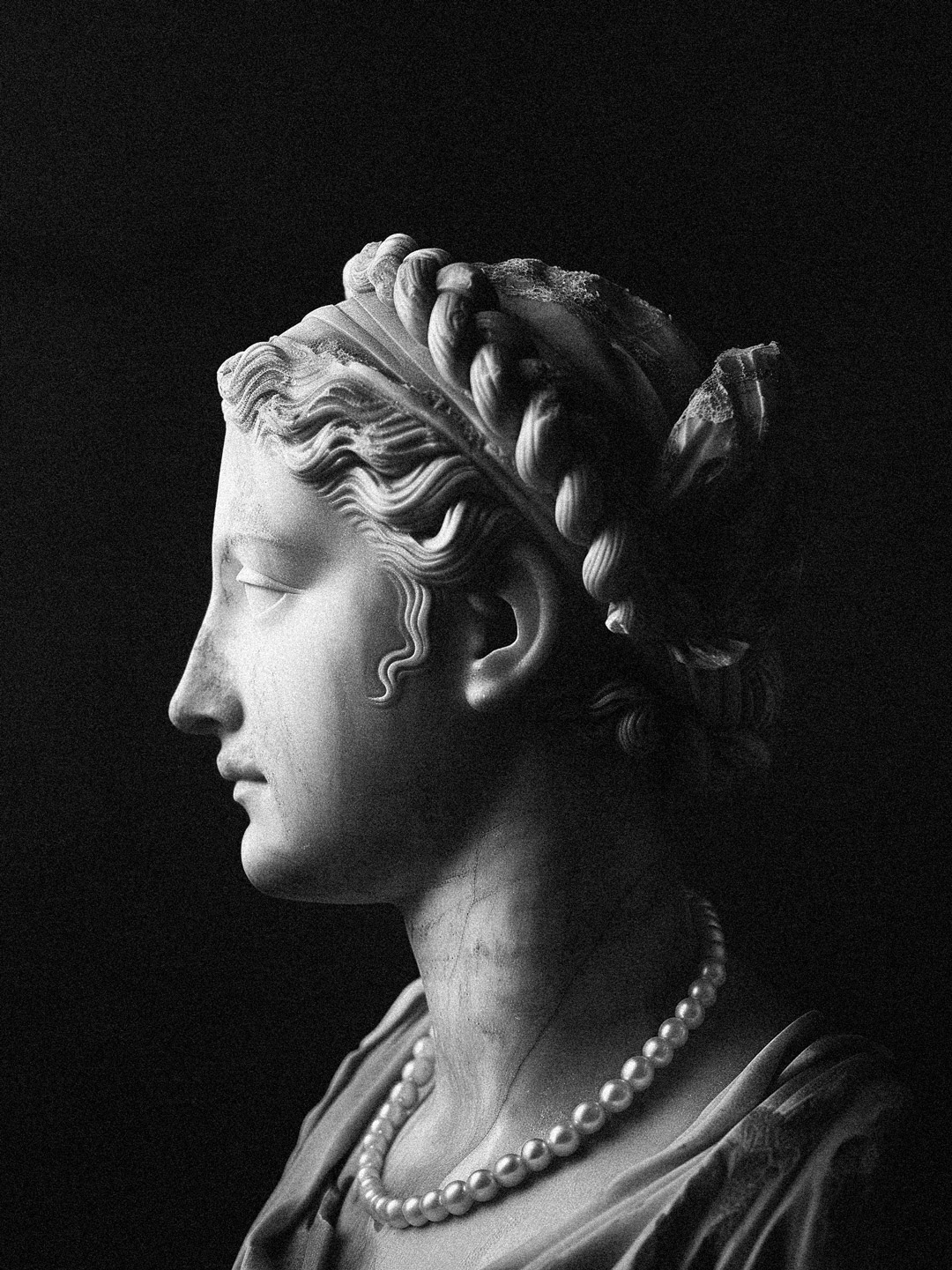
Sappho, spelled (in the dialect spoken by the poet) Psappho, (born c. 610, Lesbos, Greece — died c. 570 BCE). A lyric poet greatly admired in all ages for the beauty of her writing style.
Her language contains elements from Aeolic vernacular and poetic tradition, with traces of epic vocabulary familiar to readers of Homer. She has the ability to judge critically her own ecstasies and grief, and her emotions lose nothing of their force by being recollected in tranquillity.
Designed with WordPress
One response to “Converting Linear B to ancient Greek, Level 1b”
O.K. got it !! Thanks Richard.