New Testament in Greek & Meditations of Marcus: Aurelius, Meditations: II,4 Beginning today, and posting every two weeks or so, I shall be quoting alternately from the New Testament and from the Meditations of Marcus Aurelius in Greek. Wherever possible I shall also translate sentences and phrases in each citation. This is a very tricky manoeuvre, but at the same time it close to ideally serves me in writing in natural, not tabular, Mycenaean Greek. The next citation will be drawn from the New Testament in Greek in early January 2017. Marcus Aurelius, Meditations: II,4The Greek text is taken from Haines, C.R. ed. & trans. Marcus Aurelius. Cambridge, Mass.: Harvard University Press. 1953, with several revisions, the last of which was published in 2003. ISBN 0-674-99064-1. xxxi, 416 pp. Think of your many years of procrastination; how the gods have repeatedly granted you further periods of peace, of which you have taken no advantage. It is time now to realize the nature of the universe to which you belong, and of that controlling power whose offspring you are; and to understand that your time has a limit to it. Use it, then, to advance your enlightenment; or it will be gone, and never in yourf power again. Translation by Maxwell Staniforth = Marcus Aurelius Meditations. London: the Folio Society, 2002.
New Testament in Greek & Meditations of Marcus: Aurelius, Meditations: II,4

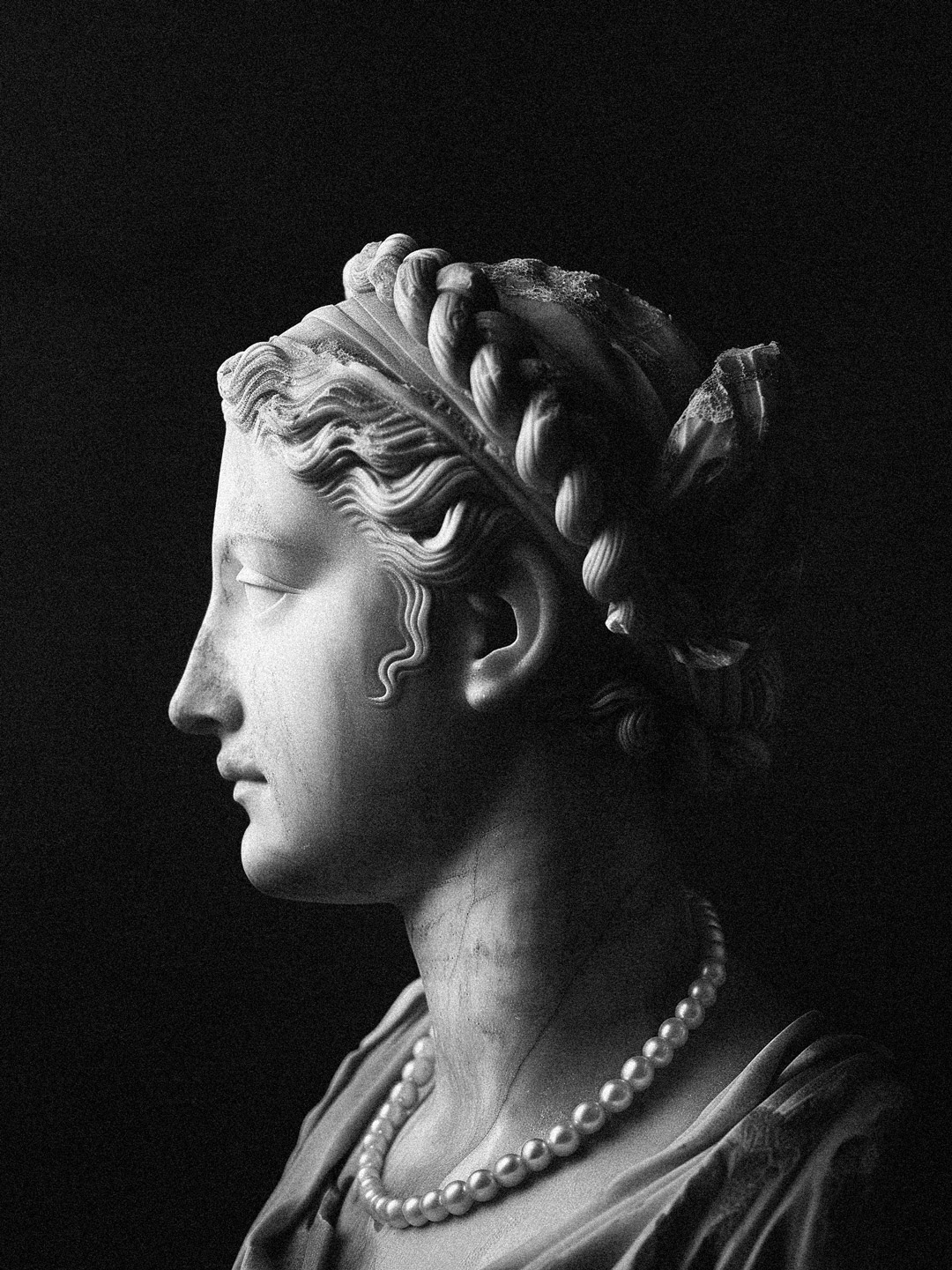
Sappho, spelled (in the dialect spoken by the poet) Psappho, (born c. 610, Lesbos, Greece — died c. 570 BCE). A lyric poet greatly admired in all ages for the beauty of her writing style.
Her language contains elements from Aeolic vernacular and poetic tradition, with traces of epic vocabulary familiar to readers of Homer. She has the ability to judge critically her own ecstasies and grief, and her emotions lose nothing of their force by being recollected in tranquillity.
Designed with WordPress
One response to “New Testament in Greek & Meditations of Marcus: Aurelius, Meditations: II,4”
[…] Source: New Testament in Greek & Meditations of Marcus: Aurelius, Meditations: II,4 […]