A Glossary of 126 Minoan Linear A words more or less accurately deciphered to date (the largest ever glossary of Linear A) accounting for at least 24.7 % of all intact Minoan Linear A terms in Prof. John G. Younger?s Linear A Liner A texts in phonetic transcription = 510. Terms deciphered with a high degree of certainty thus account for 37 % of all Minoan Linear A terms I have attempted to decipher. They also account for 9 % of all intact Minoan Linear A terms in Prof. John G. Younger’s:That is a pretty good return. All terms in Minoan Linear A and in Mycenaean Linear B have been Latinized for ease of access to persons not familiar with these syllabaries. aka = wineskin (two syllabograms overlaid) akii = garlic darida = large vase daropa = stirrup jar = Linear B karawere daweda = medium size amphora with two handles 5 ditamana = dittany (medicinal herb) kanaka = saffron = Linear B kanako karopa3 (karopai) = kylix (with two handles & smaller than a pithos) keda = cedar kidema*323na = type of vessel (truncated on HT 31)10 kireta2 (kiritai) = delivery = Linear B apudosis kiretana = (having been) delivered (past participle passive) = Linear B amoiyeto kiro = owed = Linear B oporo = they owed kuro = total kuruku = crocus 15 maru = wool (syllabograms superimposed) = Linear B mari/mare nere = larger amphora size orada = rose pazeqe = small handle-less cups = Linear B dipa anowe, dipa anowoto puko = tripod = Linear B tiripode (100 % certain) 20 qapa3 = qapai = large handle-less vase or amphora quqani = medium size or smaller amphora ra2ri = rairi = lily sajamana = with handles = Linear B owowe sedina = celery 25 supa3 (supai) = small cup = Linear B dipa mewiyo supu = very large amphora tarawita = terebinth tree 28 Eponyms: Adunitana Akaru 30 Asiyaka Danekuti Daqera Ikurina Makarita 35 Mirutarare Qetiradu Sirumarita2 = Sirumaritai Turunuseme Watumare 40 Toponyms: Almost all the toponyms do not require decipherment as they are either identical or almost identical in Mycenaean Linear B: Akanu = Archanes (Crete) Dikate = Mount Dikte Idaa = Mount Ida Idunesi Kato = (Linear B Zakoro)45 Kudoni = Kydonia Meza (= Linear B Masa) Paito = Phaistos ( =Linear B) Radu = Lato (= Linear B Rato) Setoiya (= Linear B Seteia) 50 Sukirita/Sukiriteija = Sybrita Winadu = Linear B Inato 52 COMMENTARY: This Glossary accounts for at least 24.7 % of all intact Minoan Linear A terms. There are 45 terms deciphered with a high degree of certainty (> 75 %). These terms thus account for 37 % of all Minoan Linear A terms I have attempted to decipher. They also account for 9 % of all intact Minoan Linear A terms in Prof. John G. Younger’s Lexicon. As for eponyms and toponyms, I can only claim to have deciphered no more than 10 %, since they are so obvious and since so many of them are almost identical to their Mycenaean Linear B counterparts, in those cases where the latter exist. All of my decipherments operate on The principle of cross-correlative cohesion on the assumption that terms in Minoan Linear A vocabulary should reflect as closely and as faithfully as possible parallel terms in Mycenaean Greek vocabulary. In other words, the English translations of Minoan words in a Minoan Linear A Glossary such as this one should look as if they are English translations of Mycenaean Greek terms in a Linear B glossary. I have endeavoured to do my best to achieve this goal, but even the most rational and logical approach, such as I take, does not and cannot guarantee reciprocity between Minoan Linear A and Mycenaean Linear B terms. It is precisely for this reason that I have had to devise a scale of relative accuracy for terms in this Linear A Glossary. The best and most reliable Linear B Lexicon is that by Chris Tselentis, Athens, Greece. If you wish to receive a copy of his Lexicon, please leave a comment in Comments, with some way for me to get in touch with you.
Minoan Linear A terms deciphered with a high degree of certainty thus account for 37 % of all Minoan Linear A terms I have attempted to decipher. They also account for 9 % of all intact Minoan Linear A terms

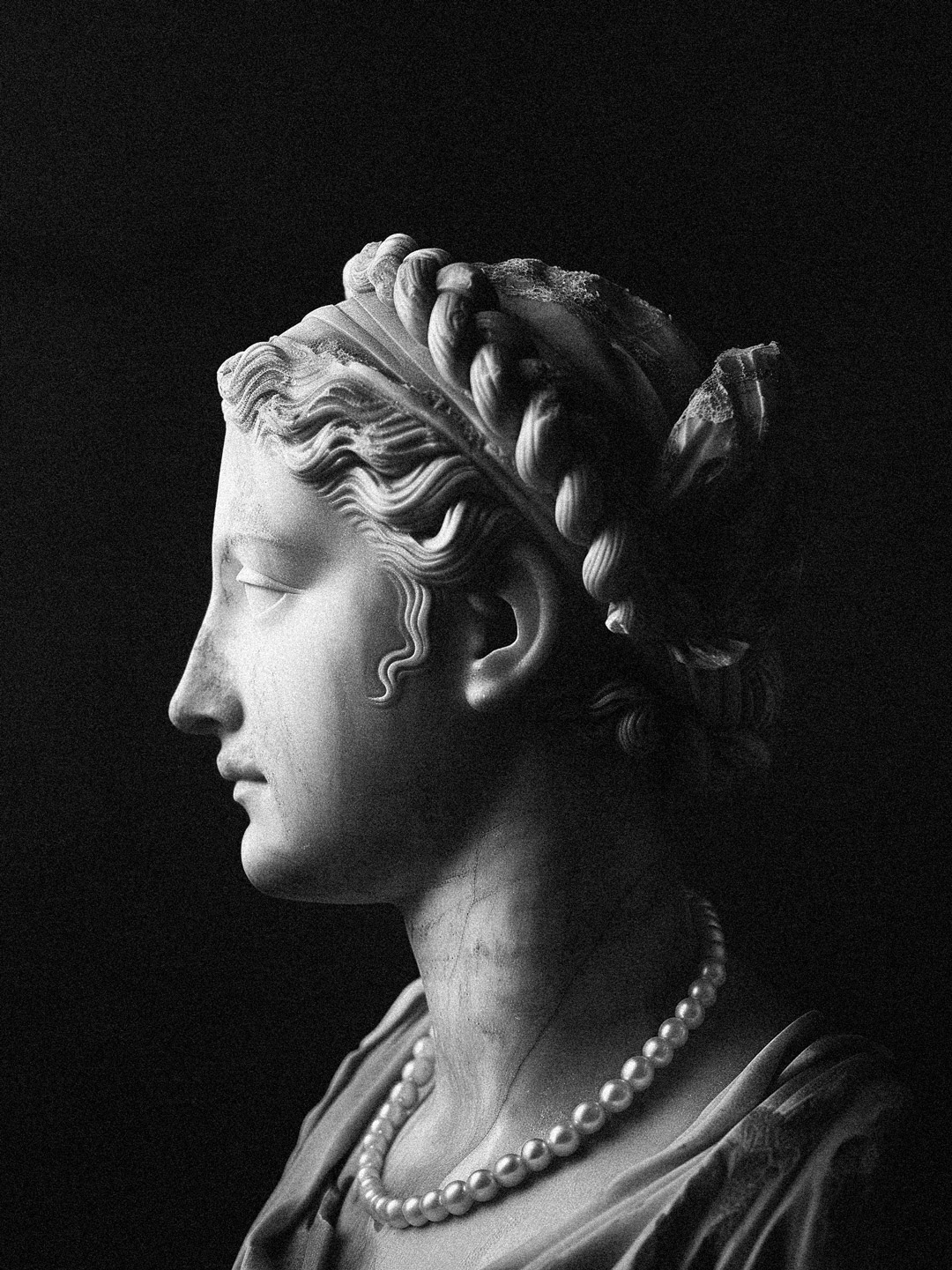
Sappho, spelled (in the dialect spoken by the poet) Psappho, (born c. 610, Lesbos, Greece — died c. 570 BCE). A lyric poet greatly admired in all ages for the beauty of her writing style.
Her language contains elements from Aeolic vernacular and poetic tradition, with traces of epic vocabulary familiar to readers of Homer. She has the ability to judge critically her own ecstasies and grief, and her emotions lose nothing of their force by being recollected in tranquillity.
Designed with WordPress
You must be logged in to post a comment.