The first ever complete translation of a Linear A tablet in toto, HT 31 (Haghia Triada), vessels & pottery:Here you see the first ever full translation of a Linear A tablet, HT 31 (Haghia Triada), vessels & pottery. Today I was finally able to break through the last barriers to the complete translation of this tablet, one of the most complete in Linear A, and the only one with so many ideograms, in this case, all of them standing for various types of vessels. The tablet explicitly names the type of each vessel by superimposing the Linear A name of it over its ideogram. What a windfall! It just so happens that HT 31 exhibits so many parallels with Mycenaean Linear B tablet Pylos Py TA 641-1952 (Ventris) that it almost defies credulity... so much so that we can even consider the latter to be the long overdue “Rosetta Stone” for the former. Not only are they written in two syllabaries which are almost the same, Minoan Linear A for HT 31, and its successor, Mycenaean Linear A for Pylos Py TA 641-1952 (Ventris), but even the contents (the text) of each of these tablets closely mirrors that of the other. That is one truly amazing co-incidence. And it is precisely because the similarity between these two tablets is so striking that I have been able to decipher the integral text of Minoan Linear A HT 31 (Haghia Triada) in toto, with the exception of a few signs (syllabograms, ideograms and numerals) which are pretty much illegible. This is the first time in history that anyone has managed to decipher a Minoan Linear A tablet in its entirety. Compare the translation of HT 31 with the text of Mycenaean tablet Pylos Py TA 641-1952 (Ventris) on which I have overlaid the equivalent cross-correlated Linear A vocabulary, and it instantly becomes clear that the two tablets deal with almost exactly the same range of vessels:
The methodology followed in the comparative analysis of any Linear A tablet which appears similar to any Linear B counterpart is called cross-correlated retrogressive extrapolation of a Linear A tablet (A) with an equivalent Linear B tablet (B), where: CCRE (cross-correlated retrogressive extrapolation) stipulates that A = B (closely or approximately), in this case closely. I welcome any and all comments on this hard-fought and hard-won breakthrough in the decipherment of Minoan Linear A. Please also tag this post with 4 to 5 stars if you like it (hopefully 5!)
The first ever complete translation of a Linear A tablet in toto, HT 31 (Haghia Triada), vessels & pottery

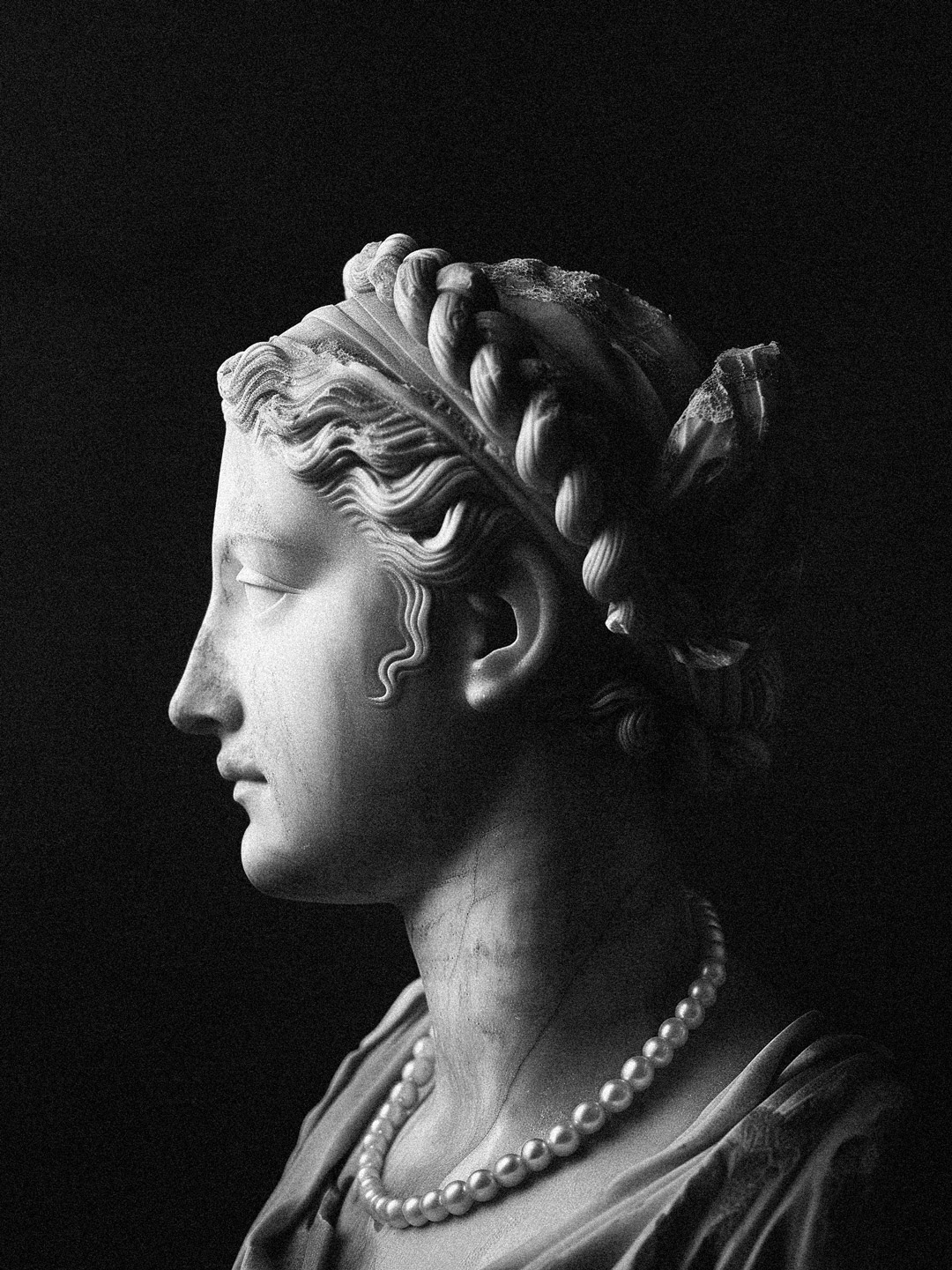
Sappho, spelled (in the dialect spoken by the poet) Psappho, (born c. 610, Lesbos, Greece — died c. 570 BCE). A lyric poet greatly admired in all ages for the beauty of her writing style.
Her language contains elements from Aeolic vernacular and poetic tradition, with traces of epic vocabulary familiar to readers of Homer. She has the ability to judge critically her own ecstasies and grief, and her emotions lose nothing of their force by being recollected in tranquillity.
Designed with WordPress
10 responses to “The first ever complete translation of a Linear A tablet in toto, HT 31 (Haghia Triada), vessels & pottery”
It must feel amazing when you decipher such a difficult language. Well done! Always look forward to reading your posts.
It DOES feel amazing! And I am beginning to crack it open! Thanks so much, Luciana!
Reblogged this on KORYVANTES Association published work and commented:
The first ever complete translation of a Minoan Linear A tablet
[…] Source: The first ever complete translation of a Linear A tablet in toto, HT 31 (Haghia Triada), vessels &am… […]
PS. I have finished my exam Richard. Just checking it through again. Please let me know when you want me to send it.
Whenever you are ready. When was the deadline? I forgot.
The deadline is 8th August which gives me a day to check it all over and think about how I am gong to send it. Shall I send it in several e mails?. Or I might try sending as a pdf file. Love the last translation of Linear A and the cross correlation with all those pottery vessels. Great !
OK! Take your time. You can send stuff until August 12. Yes, that tablet translates so EASILY!
Well, like I said, until August 12 if you like.
WONDERFUL !!