Linear A tablets Zakros ZA 11 & ZA 15 with wine adding up to same amounts (twice!) on both tablets:Linear A tablets Zakros ZA 11 & ZA 15 apparently reference two different types of wine adding up to the exact same amounts on both tablets. On ZA 11 we have kana and on ZA 15 kadi. But the passingly strange thing about these two tablets is that the totals for kana on ZA 11 & kadi on ZA 15 are exactly the same (3). Not only that, the grand total for all of the items mentioned on both of these tablets also adds up to the exact same amount (78)! This in spite of the fact that ZA 11 is loaded with text, whereas ZA 15 contains no text whatsoever apart from the name of the wine = kadi, and its total = 3 + the grand total, kuro = 78. Upon re-examination of Zakros ZA 11, I also just happened to notice that the first word apparently denoting a type of wine, kunasa (RECTO), which I previously defined as possibly meaning “honey wine” has to its immediate left the logogram for “gold” (at least that is what it means in Linear B, so I have little doubt that it cannot mean anything else in Linear A). Now since honey wine is obviously gold in colour, this additional bit of information tends to confirm, albeit not very strongly, that kunasa does mean “honey wine”. But this still leaves us frustrated with dilemma, why are there two different words for what appear to be wine types on ZA 11 & ZA 15? This one stumped me for a very long time. No matter how I wracked my brains, I could not extricate myself from the apparent impossibility that two different words existed for the same type of wine, which would very likely have to be a fine quality wine, given that there are only 3 of each type, or alternatively that each word referenced a different type of fine wine.. But as it turns out, I was entirely on the wrong track. Notice that kana and kadi both begin with the same syllabogram, KA. Now this is truly odd, if the two words both designate a kind of fine wine. In Mycenaean Linear B, no such distinctions are ever made. So I simply could not accept this interpretation. What alternatives was I left with? Finally, the solution hit me right between the eyes. It would appear that kana refers to the first item in a list, and kadi to the next in a series. So these are the meanings I have assigned to each in turn: kana = first (in a series) and kadi = next. It is highly unlikely that kana = first and kadi = second, because in almost all languages the numbers 1 & 2 are distinctly different. So I assume that the same scenario obtains with Minoan Linear A.
Linear A tablets Zakros ZA 11 & ZA 15 with wine adding up to same amounts (twice!) on both tablets

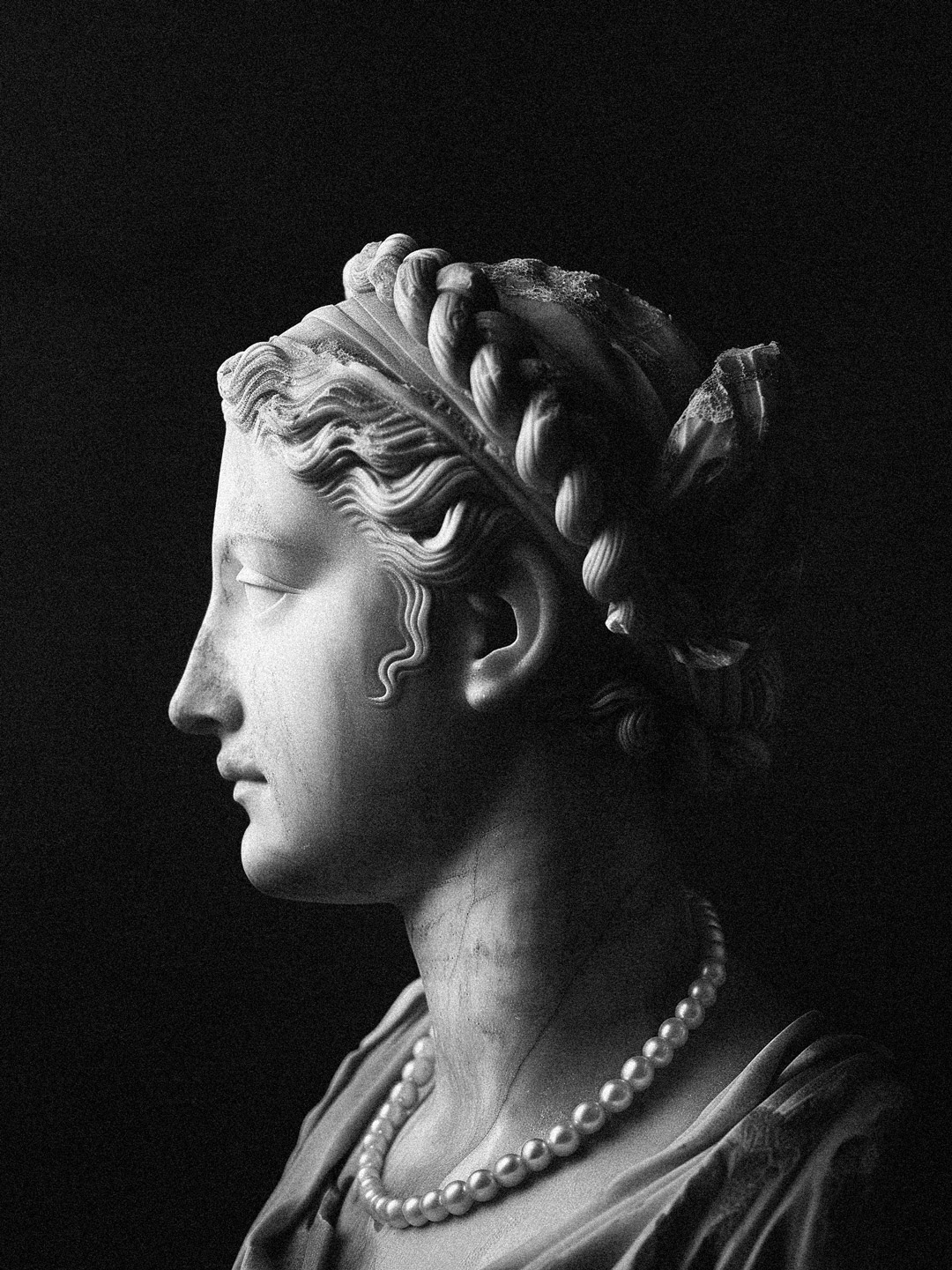
Sappho, spelled (in the dialect spoken by the poet) Psappho, (born c. 610, Lesbos, Greece — died c. 570 BCE). A lyric poet greatly admired in all ages for the beauty of her writing style.
Her language contains elements from Aeolic vernacular and poetic tradition, with traces of epic vocabulary familiar to readers of Homer. She has the ability to judge critically her own ecstasies and grief, and her emotions lose nothing of their force by being recollected in tranquillity.
Designed with WordPress
You must be logged in to post a comment.