Minoan Linear A terms for large (qapa3 = qapai) and small size (pazaqe) handle-less vessels:Minoan Linear A tablet HT 31 (Haghia Triada) contains two terms for handle-less vessels. These are qapa3 = qapai for a “large handle-less vase/cup” (more commonly the former), and pazaqe for a “small handle-less cup”. The latter were very common in both Minoan & Mycenaean times, which explains why so many of them are mentioned on this tablet (3,000). Cross-correlative retrogressive extrapolation from Pylos tablet Py TA 641-1952 (Ventris) confirms that the decipherment qapa3 = qapai for a “large handle-less vase/cup” is correct. As for pazaqe, it is plain that the handle-less cups are very small, since there are so many of them (3,000). These are illustrated to the top right of the figure above. This brings the total number of Minoan Linear A terms we have deciphered, more or less accurately, to 60. It is at this point that we hit a brick wall, at least for the time being, as there is simply no way for me to decipher Minoan Linear A tablets with no ideograms on them. Unfortunately, these account for the majority of Linear A tablets. But the fact that we have been able to decipher as many as 60 Minoan words is a vast improvement over any previous attempts by any researchers in Minoan Linear A to decipher anything at all. The best anyone has managed to date has been restricted to eponyms and toponyms, and the finest work done in this respect was achieved with great insight by Andras Zeke of the Minoan Language Blog:

Minoan Linear A terms for large (qapa3 = qapai) and small size (pazeqe) handle-less vessels

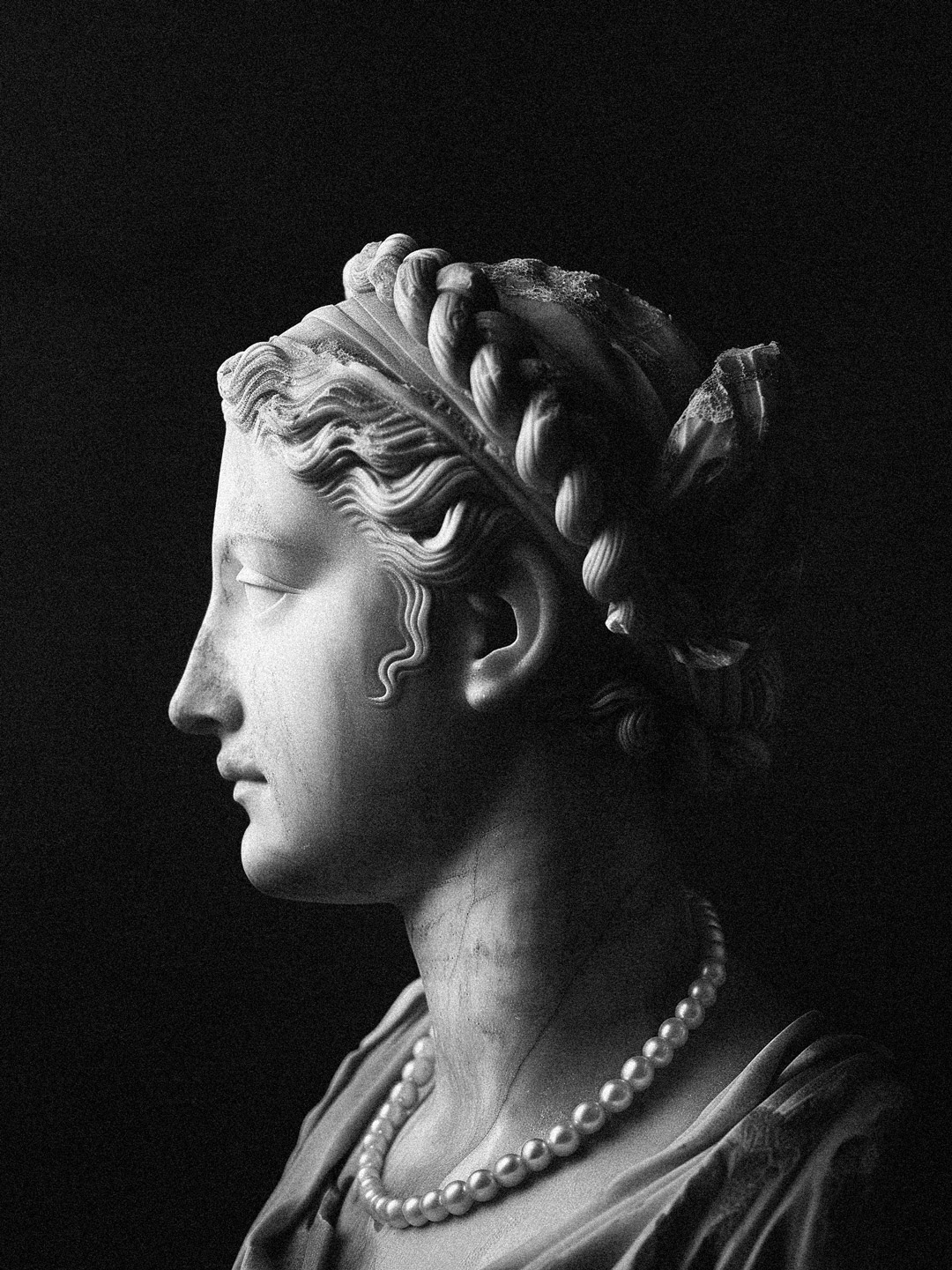
Sappho, spelled (in the dialect spoken by the poet) Psappho, (born c. 610, Lesbos, Greece — died c. 570 BCE). A lyric poet greatly admired in all ages for the beauty of her writing style.
Her language contains elements from Aeolic vernacular and poetic tradition, with traces of epic vocabulary familiar to readers of Homer. She has the ability to judge critically her own ecstasies and grief, and her emotions lose nothing of their force by being recollected in tranquillity.
Designed with WordPress
3 responses to “Minoan Linear A terms for large (qapa3 = qapai) and small size (pazeqe) handle-less vessels”
[…] Source: Minoan Linear A terms for large (qapa3 = qapai) and small size (pazaqe) handle-less vessels […]
Love the illustrations here Richard.
Did you reblog?