Linear A labrys with inscribed Idamate = king? or god (Zeus)? no. 29:Does the inscription on the Linear A labrys with inscribed with Idamate simply mean that this labrys (double axe) is dedicated to a Minoan potentate at Knossos whose name is Idamate? Perhaps. But there are two other more cogent decipherments, and these are either (a) idamate = Linear B wanaka = “king” or just as convincingly (b) idamate = Linear B diwo = “god” or “Zeus.” I am far more inclined to the either of the latter two. Pylos tablet Py Ta 711 (Chris Tselentis) may lend some credence to the decipherment “king”. Certainly the King (Idamate or Wanaka) of Knossos would be highly deserving of such an honour. But so for that matter would Zeus, whose immortal power would certainly be strikingly symbolized by this inscription on a Minoan labrys!
Recall the great importance the Minoans and Mycenaeans alike at Knossos imputed to the double axe or labrys. The Hall of the Double Axes is decorated with a whole series of them, one after another, on a magnificently painted frieze, so typical of the masterful artistry of the Minoans at Knossos.

Linear A labrys with inscribed Idamate = king? or god (Zeus)? no. 29

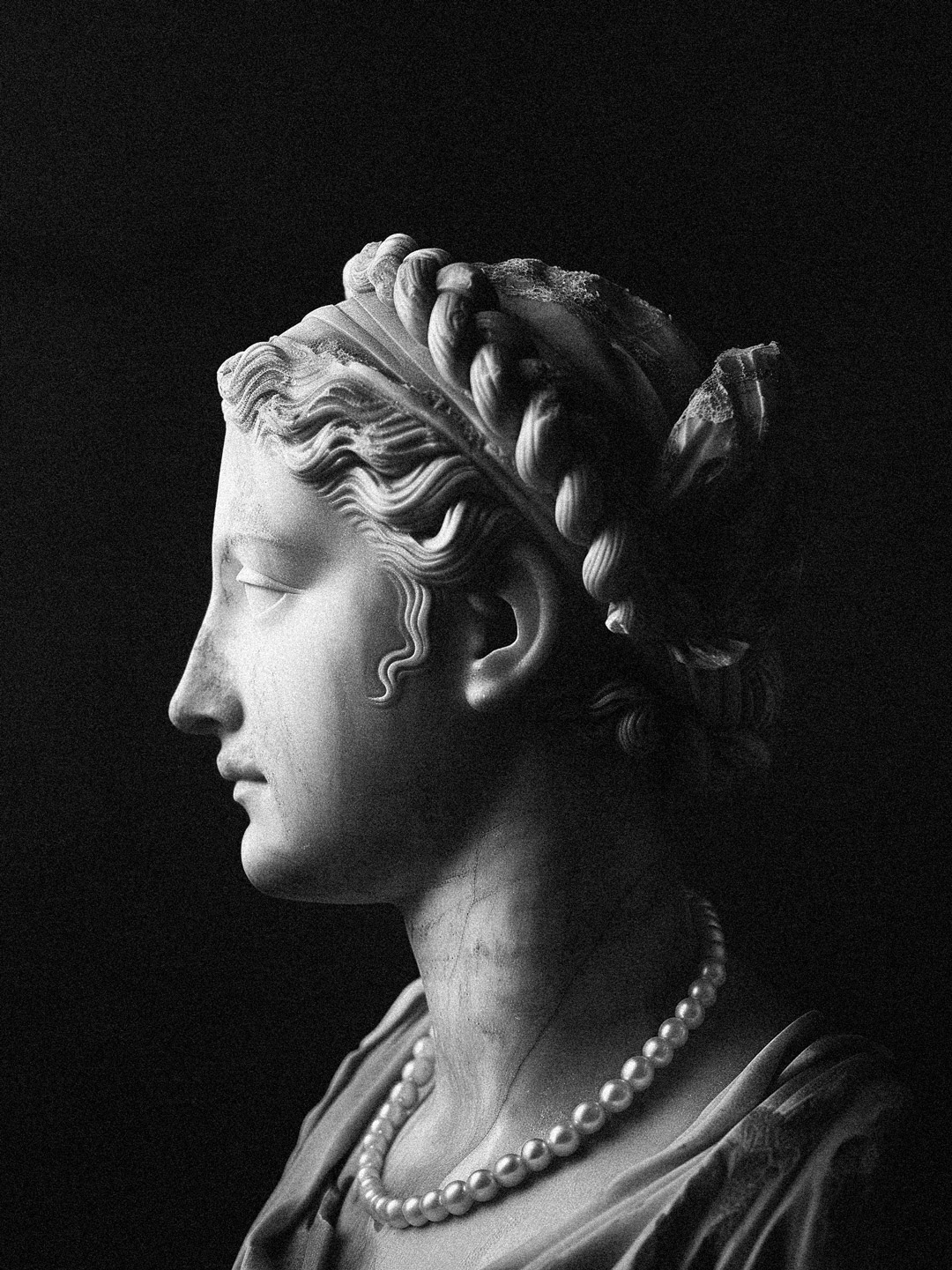
Sappho, spelled (in the dialect spoken by the poet) Psappho, (born c. 610, Lesbos, Greece — died c. 570 BCE). A lyric poet greatly admired in all ages for the beauty of her writing style.
Her language contains elements from Aeolic vernacular and poetic tradition, with traces of epic vocabulary familiar to readers of Homer. She has the ability to judge critically her own ecstasies and grief, and her emotions lose nothing of their force by being recollected in tranquillity.
Designed with WordPress
You must be logged in to post a comment.