Introduction to supersyllabograms in Linear B: O = onato = lease field # 3Linear B tablet Knossos KN 1084 E e 321 is the third and final tablet in our series on the supersyllabogram O = onato = “(usufruct) lease field”. By now the translation of the supersyllabogram O should be so transparent that you can practically read it with your eyes closed... well, not quite. You wouldn’t want to close your eyes (joke!). The cities of Phaistos and Pylos were the second and third largest sheep raising locales in Minoan-Mycenaean Crete and Mycenae after the huge metropolis of Knossos (population ca. 55,000, an enormous city for antiquity). Whether or not Phaistos or Pylos came second or third or vice versa is anyone’s guess. So let’s move on to the next supersyllabogram KI for sheep raising and sheep husbandry. Can you guess what it means? Hint, it also has to do with land tenure.

Introduction to supersyllabograms in Linear B: O = onato = lease field # 3

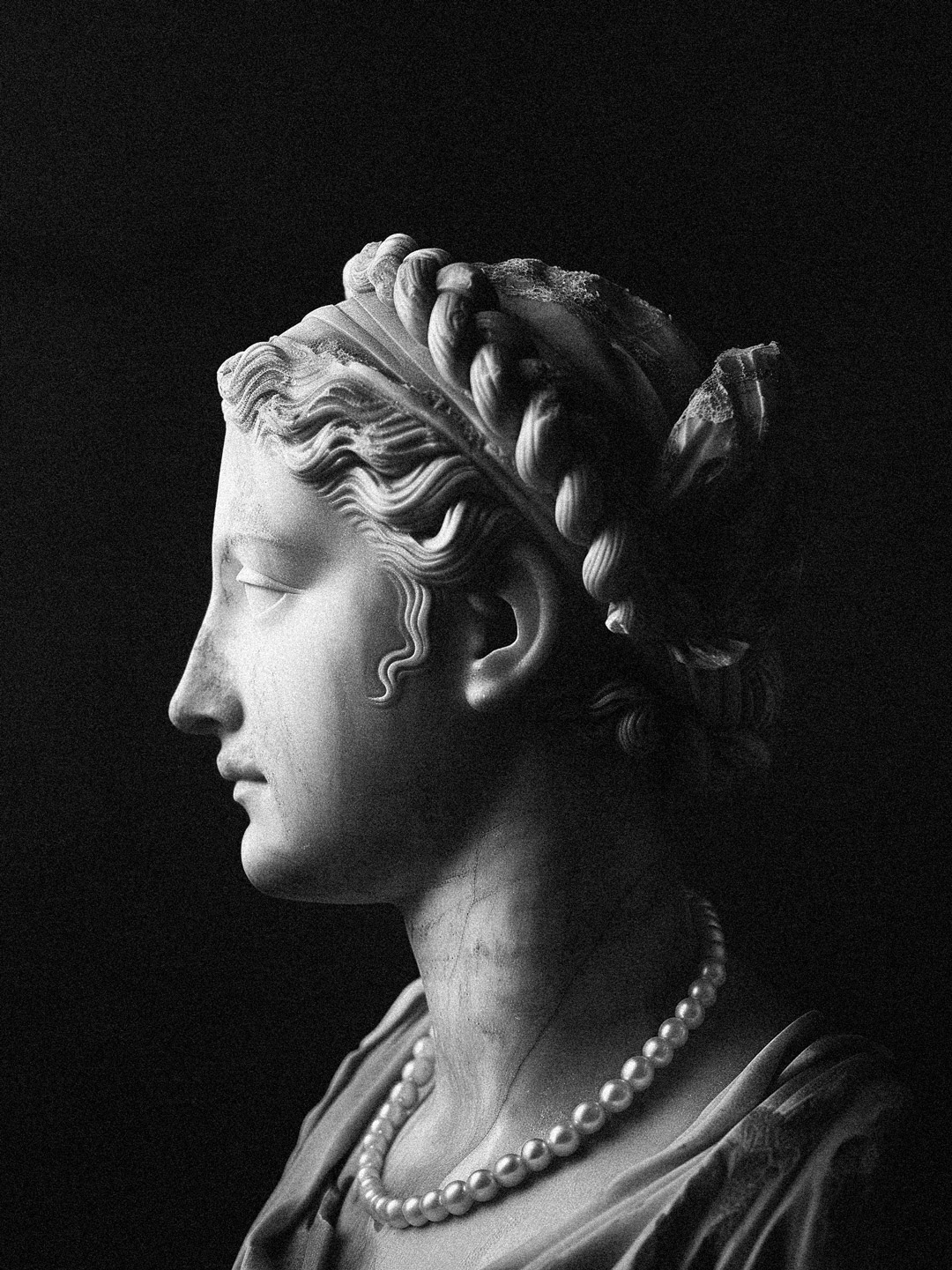
Sappho, spelled (in the dialect spoken by the poet) Psappho, (born c. 610, Lesbos, Greece — died c. 570 BCE). A lyric poet greatly admired in all ages for the beauty of her writing style.
Her language contains elements from Aeolic vernacular and poetic tradition, with traces of epic vocabulary familiar to readers of Homer. She has the ability to judge critically her own ecstasies and grief, and her emotions lose nothing of their force by being recollected in tranquillity.
Designed with WordPress
One response to “Introduction to supersyllabograms in Linear B: O = onato = lease field # 3”
KI TI MI NA = Plot of Land