Introduction to supersyllabograms in Linear B: O = onato = lease field # 2Now that I have fully explained how supersyllabograms function in Mycenaean Linear B, it is going to be a lot easier for us to understand the second tablet in the series, Knossos tablet KN 1270 E j 213, on which once again the supersyllabogram O = onato = “(usufruct) lease field” appears for the second time and again on the bottom line. So the translation of that line must be “... and 48 rams on a lease field on the island of Eksonos -or- Exonos”, where the supersyllabogram O in front of the ideogram for “rams” of course means onato = “(usufruct) lease field”. That was pretty easy. I shall post one more tablet with the supersyllabogram O = onato, to make it crystal clear how it functions. Then we shall turn to the supersyllabogram KI, which for the moment I am keeping a secret from you. Eksonos or Exonos was one of several major islands in the Minoan-Mycenaean Empire where sheep were raised.
Introduction to supersyllabograms in Linear B: O = onato = lease field # 2

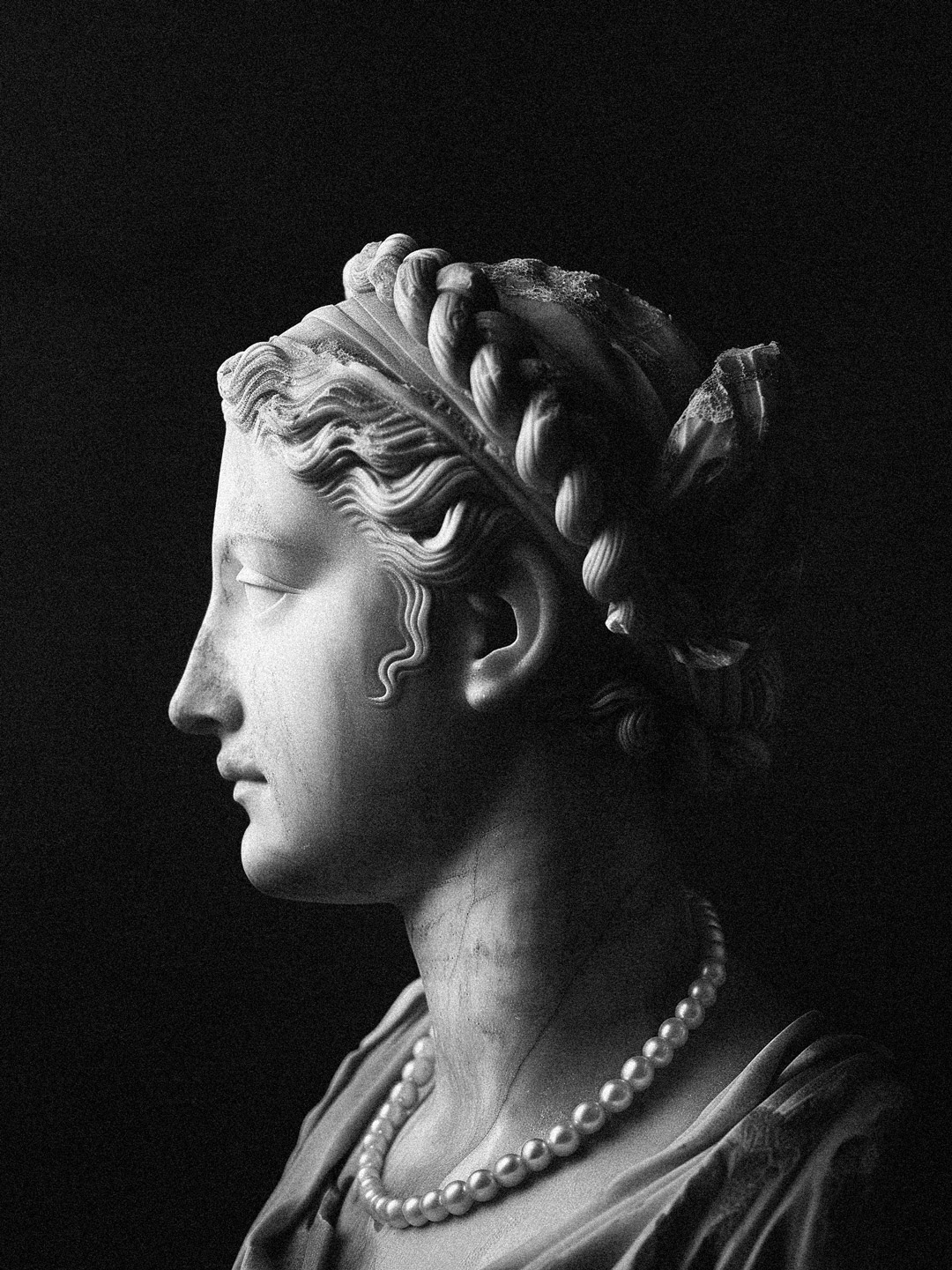
Sappho, spelled (in the dialect spoken by the poet) Psappho, (born c. 610, Lesbos, Greece — died c. 570 BCE). A lyric poet greatly admired in all ages for the beauty of her writing style.
Her language contains elements from Aeolic vernacular and poetic tradition, with traces of epic vocabulary familiar to readers of Homer. She has the ability to judge critically her own ecstasies and grief, and her emotions lose nothing of their force by being recollected in tranquillity.
Designed with WordPress
You must be logged in to post a comment.