Linear B tablet, Ashmolean Museum An1938_708_o, rams and ewes:Note on the translation: In the first line, we have the intriguing word, Yatiri, which I take as being a place name (toponym). However, given that it ends in “ri ”, it could also be dative, and in that case, it sure looks like that dative of Linear B iatere = Greek iatros = “physician”. If that is so, it would seem that the scribe who inscribed this tablet may have wanted to indicate to us that he wishes the owners of the sheep, Adaios and Dotias, to bring their flocks to the attention of the physician, who would check them for disease. However, this is the less likely of the two translations. The place name makes more sense. In case any of you are wondering, as I am sure you are, what are all these tablets tagged Ashmolean Museum? There is a relatively small, but extremely significant collection of Linear B tablets held by the Ashmolean Museum, the British Museum, The Sir Arthur Evans Archive, here:
Although this collection of tablets transferred by Sir Arthur Evans to the British Museum in the early 1900s is small, it should never be ignored, as it contains in its gallery
such commanding tablets as: Ae 2031, previously translated on our site, here: https://linearalinearblinearc.ca/2016/05/05/the-famous-bulls-head-sacrificial-libation-rhyton-ashmolean-museum-translated/ and An1910_211_o https://linearalinearblinearc.ca/2016/01/01/knossos-tablet-kn-894-n-v-01-ashmolean-as-a-guide-to-mycenaean-chariot-construction-and-design-3/
Linear B tablet, Ashmolean Museum An1938_708_o, rams and ewes

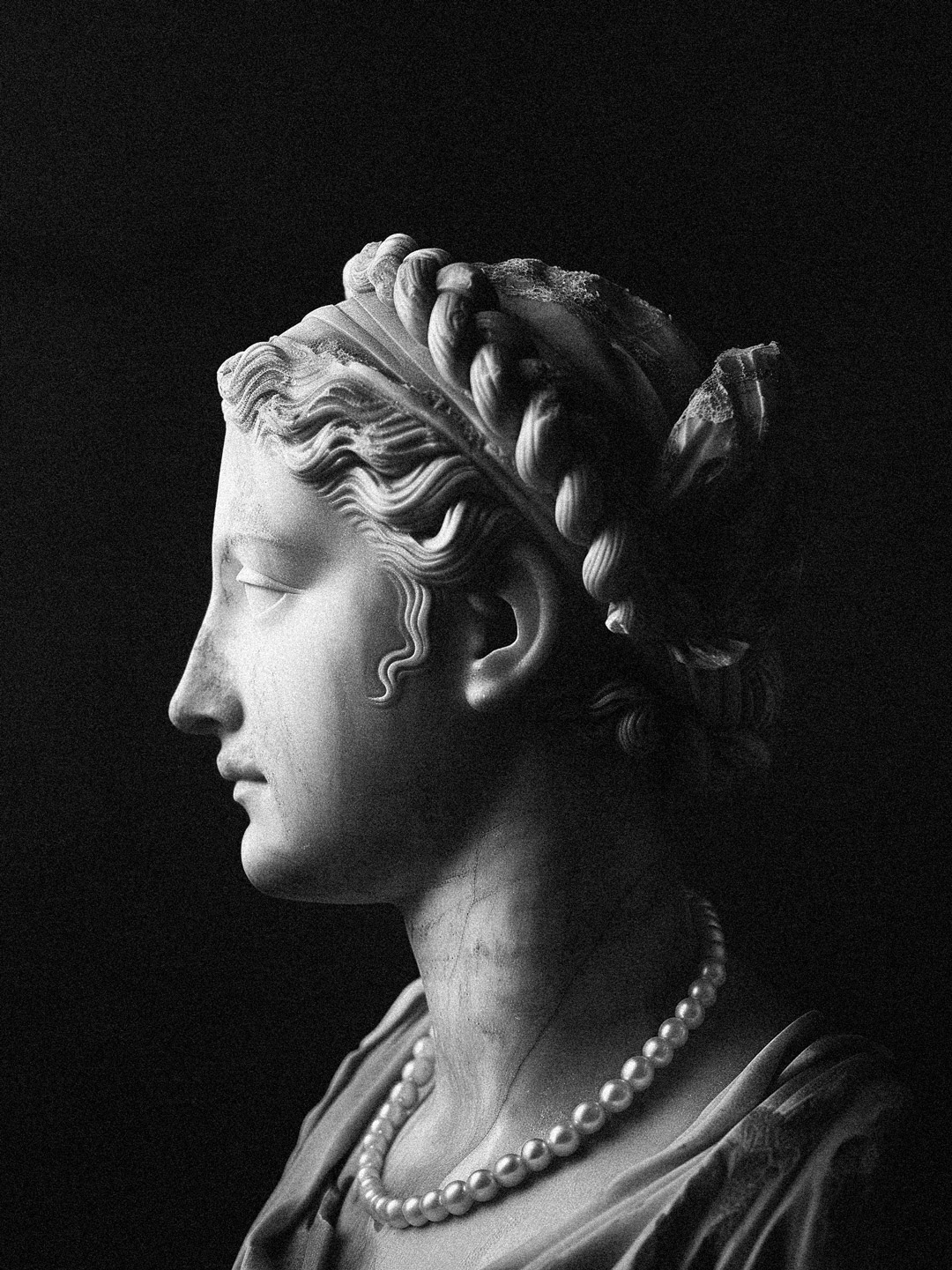
Sappho, spelled (in the dialect spoken by the poet) Psappho, (born c. 610, Lesbos, Greece — died c. 570 BCE). A lyric poet greatly admired in all ages for the beauty of her writing style.
Her language contains elements from Aeolic vernacular and poetic tradition, with traces of epic vocabulary familiar to readers of Homer. She has the ability to judge critically her own ecstasies and grief, and her emotions lose nothing of their force by being recollected in tranquillity.
Designed with WordPress
2 responses to “Linear B tablet, Ashmolean Museum An1938_708_o, rams and ewes”
Thanks for the links Richard. This is an unusual Linear B tablet.
Yes, it surely is. There are plenty of surprises in the repertoire of Linear B tablets.