Linear B tablet K 1248, Knossos, a special case:Linear B tablet K 1248 at Knossos presents us with a special case, in so far as it contains two new independent supersyllabograms, RU and KA. KA = kameu, which refers to the owner of a kama, a unit of land, which in turn is for all intents and purposes, synonymous with kitimena = a plot of land. This makes such perfect sense in context that it appears almost incontestable. And it also makes sense that the supersyllabogram KA, the owner of a unit or plot of land must be an independent supersyllabogram, because the owner is not necessarily directly linked to the sheep. Any kind of livestock might be present on his land at any given time. Moreover, the the unit or plot of land as such is independent of whatever livestock or, for that matter, crops which might turn up there. Now the tablet further clearly implies that KA = the owner of a unit of land because he is called by name, Kirinetos. He must be quite a wealthy farmer or superintendent of lands because he owns a lot of sheep (95) at one place (unnamed) and five more at Tuniya, which apparently is a minor outpost, given the small number of rams there. On the other hand, it is very difficult to establish whether or not he also owns a unit of land at Rukito = Lykinthos, since using a supersyllabogram, in this case, RU, to replace a toponym, is completely atypical. In fact, I reserve serious doubts that indeed RU refers to a place name. The only reason I selected it (Rukito) is that this is the only entry in Chris Tselentis' Linear B Lexicon which fits the bill. But it is a pretty poor excuse for the full word represented by the independent supersyllabogram RU, and so we must take it with a serious grain of salt. I have tried my best.
Linear B tablet K 1248, Knossos, a special case

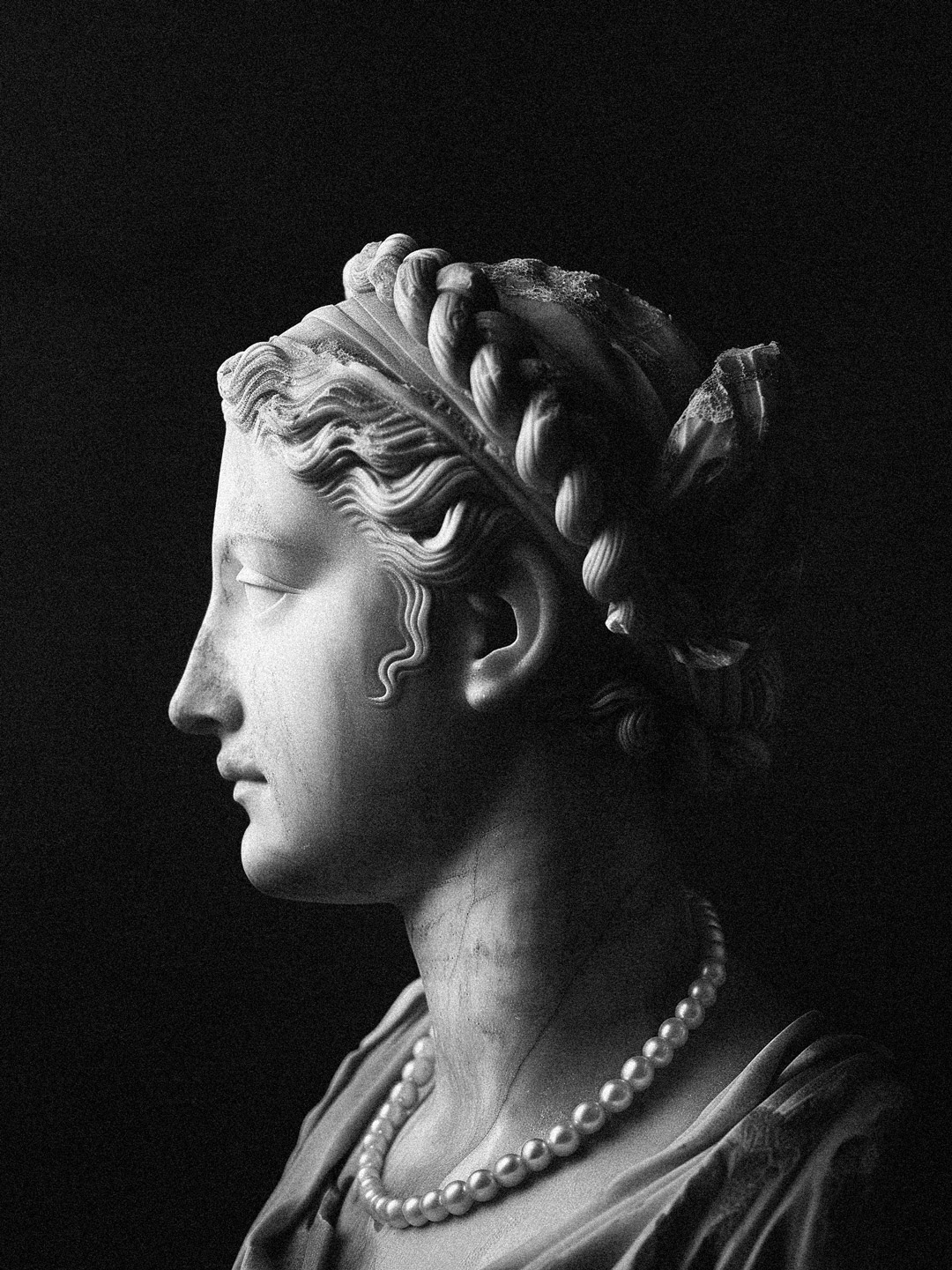
Sappho, spelled (in the dialect spoken by the poet) Psappho, (born c. 610, Lesbos, Greece — died c. 570 BCE). A lyric poet greatly admired in all ages for the beauty of her writing style.
Her language contains elements from Aeolic vernacular and poetic tradition, with traces of epic vocabulary familiar to readers of Homer. She has the ability to judge critically her own ecstasies and grief, and her emotions lose nothing of their force by being recollected in tranquillity.
Designed with WordPress
You must be logged in to post a comment.