Linear B tablet Knossos KN 683 Sh 01 dealing with textiles and onyx:Linear B tablet Knossos KN 683 Sh 01 deals primarily with textiles, but it covers a lot more ground than just that. The textiles mentioned are (a) wehano, a Linear B word for “a type of textile”, but since this word is archaic Mycenaean Greek, we do not know exactly what kind of textile it refers to. We do know that it is a kind of cloth, but that is as far as it goes. (b) The next type of cloth mentioned is mare (in Linear B = “wool”. Next comes the really surprising mention of onyx = onuke in Mycenaean Linear B! Female interior decorators are not only working on both types of cloth, but on the onyx too! Wow! The question is, what are they decorating that requires both two kinds of cloth (one wool) and onyx as well? That is a mystery to me. And they are using an awful lot of wool (9 rolls at 2 units of weight each, probably something along the line of kilograms), in other words something like 18 kilograms or so. And it is hardly surprising that, with the use of 2 types of cloth and of onyx, this interior decorating, whatever it is, is going to be expensive to the potential buyer, which is why the ladies in question wish to make it perfectly clear that there is a question of debts to be paid. No payment, no decorations. Nada. Nothing surprising there. Ancient capitalism at its best. I actually found this tablet not only quite a challenge, but a real beauty at that. There is a great deal more information to be found on it than on most Linear B tablets. That is what makes it so intriguing.
Linear B tablet Knossos KN 683 Sh 01 dealing with textiles and onyx

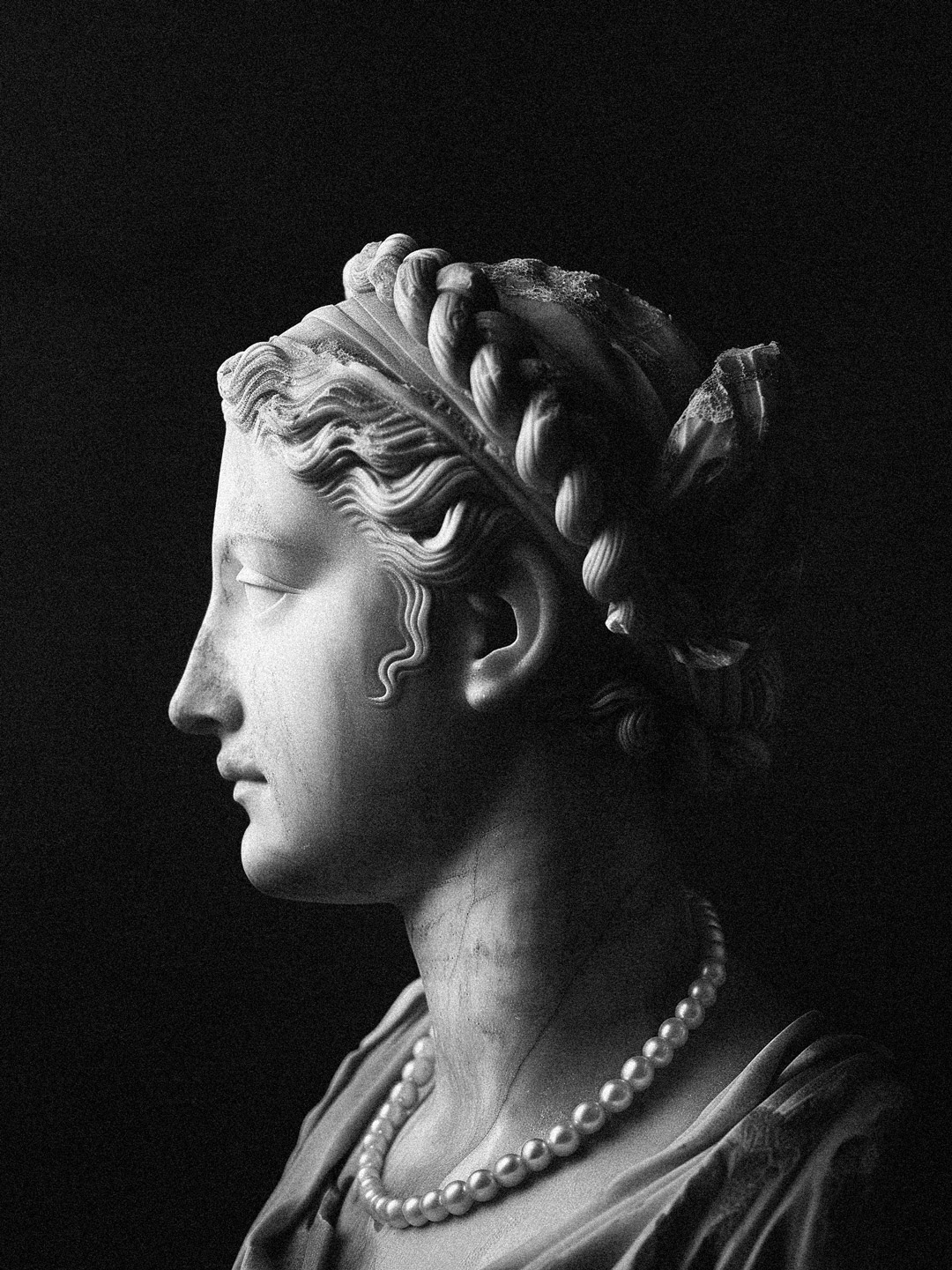
Sappho, spelled (in the dialect spoken by the poet) Psappho, (born c. 610, Lesbos, Greece — died c. 570 BCE). A lyric poet greatly admired in all ages for the beauty of her writing style.
Her language contains elements from Aeolic vernacular and poetic tradition, with traces of epic vocabulary familiar to readers of Homer. She has the ability to judge critically her own ecstasies and grief, and her emotions lose nothing of their force by being recollected in tranquillity.
Designed with WordPress
2 responses to “Linear B tablet Knossos KN 683 Sh 01 dealing with textiles and onyx”
WOW ! Now I will have to rack my brain to find out what on earth can you decorate with Onyx. Maybe its something separate from the textiles. Such as an ornament ?
Yes, that is true. Not quite sure myself, but in any case, there it is, onyx, right on the tablet!