New feature on Linear B, Knossos & Mycenae: famous quotes from Greek & Latin authors in Linear B: We begin this new “column” with our first 6 translations of quotes from Latin authors, because it is much easier to transform Latin into Linear B, given that Latin words primarily contain a lot of consonants immediately followed by vowels, which is a prime characteristic of a syllabary such as Mycenaean Linear B. The only caveat is that Linear B words always end in a vowel, whereas Latin vocabulary, which is declined, often ends with consonants. But the oblique cases in Latin very often end with vowels, which makes it much easier to translate Latin quotations than Greek into Linear B. The only real problem other than the complete absence of terminal consonants in Linear B is that there is no L series of syllabograms (la, le, li, lo, lu) but only an R series (ra, re, ri, ro, ru), which must make do for all words in Greek or Latin which contain syllables beginning with the consonant L. Examples of quotations as illustrated here make this quite clear:The translations of each of the Latin quotes are as follows: de rerum natura = on the nature of things Senatus populusque Romanus = the Senate and the People of Rome aura popularis = a popular breeze (gossip) Causa causarum miserere mei. = May the causes of causes have mercy on me. Cicero pro domo sua. = Cicero prefers his own home. The Linear B translations are a pretty good match with the Latin quotations, n’est-ce pas?
New feature on Linear B, Knossos & Mycenae: famous quotes from Greek & Latin authors in Linear B

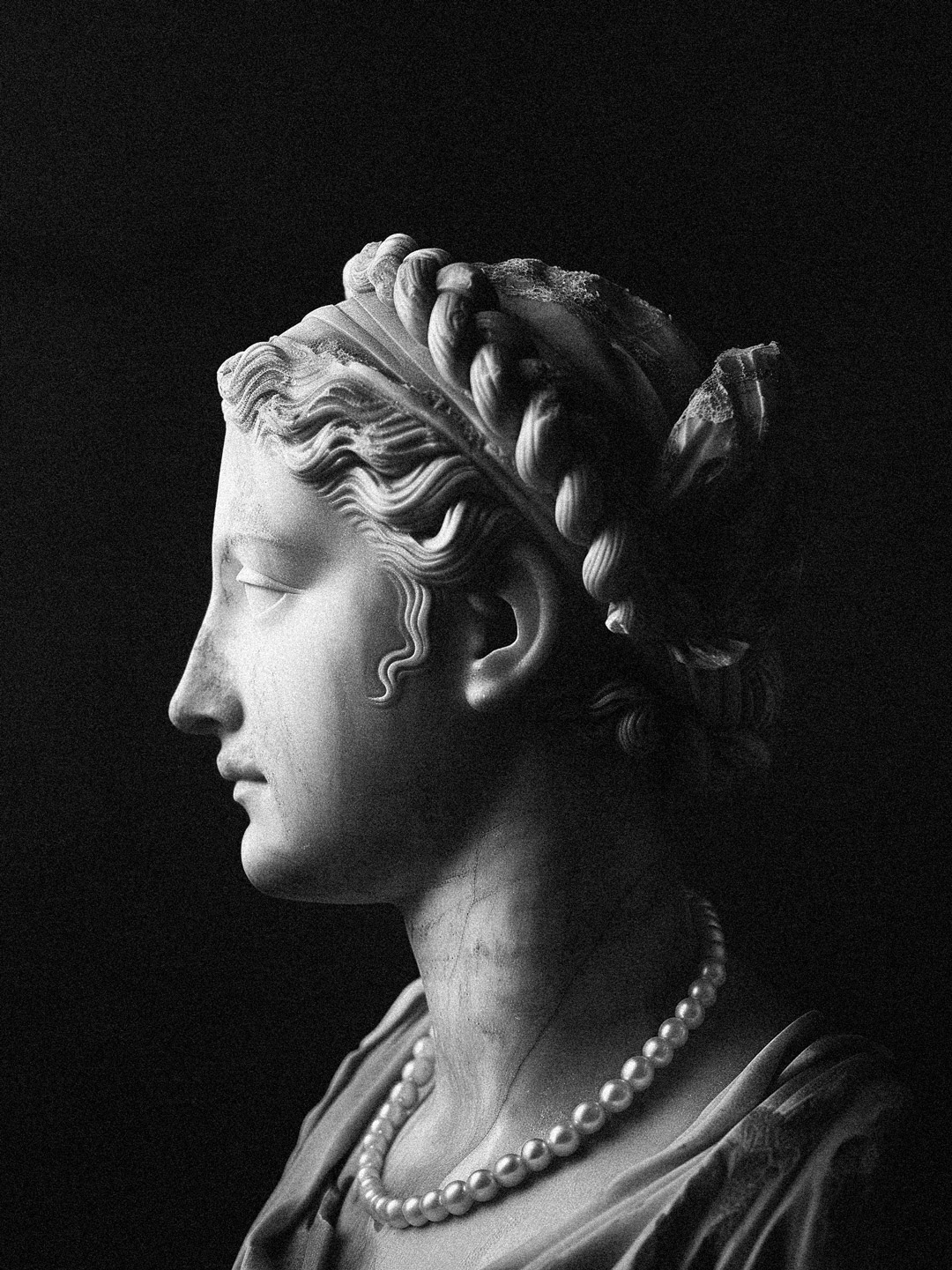
Sappho, spelled (in the dialect spoken by the poet) Psappho, (born c. 610, Lesbos, Greece — died c. 570 BCE). A lyric poet greatly admired in all ages for the beauty of her writing style.
Her language contains elements from Aeolic vernacular and poetic tradition, with traces of epic vocabulary familiar to readers of Homer. She has the ability to judge critically her own ecstasies and grief, and her emotions lose nothing of their force by being recollected in tranquillity.
Designed with WordPress
One response to “New feature on Linear B, Knossos & Mycenae: famous quotes from Greek & Latin authors in Linear B”
[…] Source: New feature on Linear B, Knossos & Mycenae: famous quotes from Greek & Latin authors in Line… […]