Photo series of the Second Palace of Knossos (ca. 1700-1600 BCE) # 2

Here again you see a set of three photos of the rear stairwells of the Second Palace, which are very well preserved... indeed, so well preserved that even the ruins of Pompeii cannot boast of such restoration. The third photo shows that the interior wall structure of the Second Palace was pretty much identical with the Third, with door jambs in the same style and of the same colour. Unquestionably, the columns of the Second Palace must have looked pretty much identical to those of the Third. You can clearly see from the third and fourth photos that much of the structure of the retaining walls of the Second Palace was left intact by the Minoan engineers when they constructed the Third.    The retaining walls of the Second Palace are distinct, insofar as they are rounded at the corners.


Photo series of the Second Palace of Knossos (ca. 1700-1600 BCE) # 2

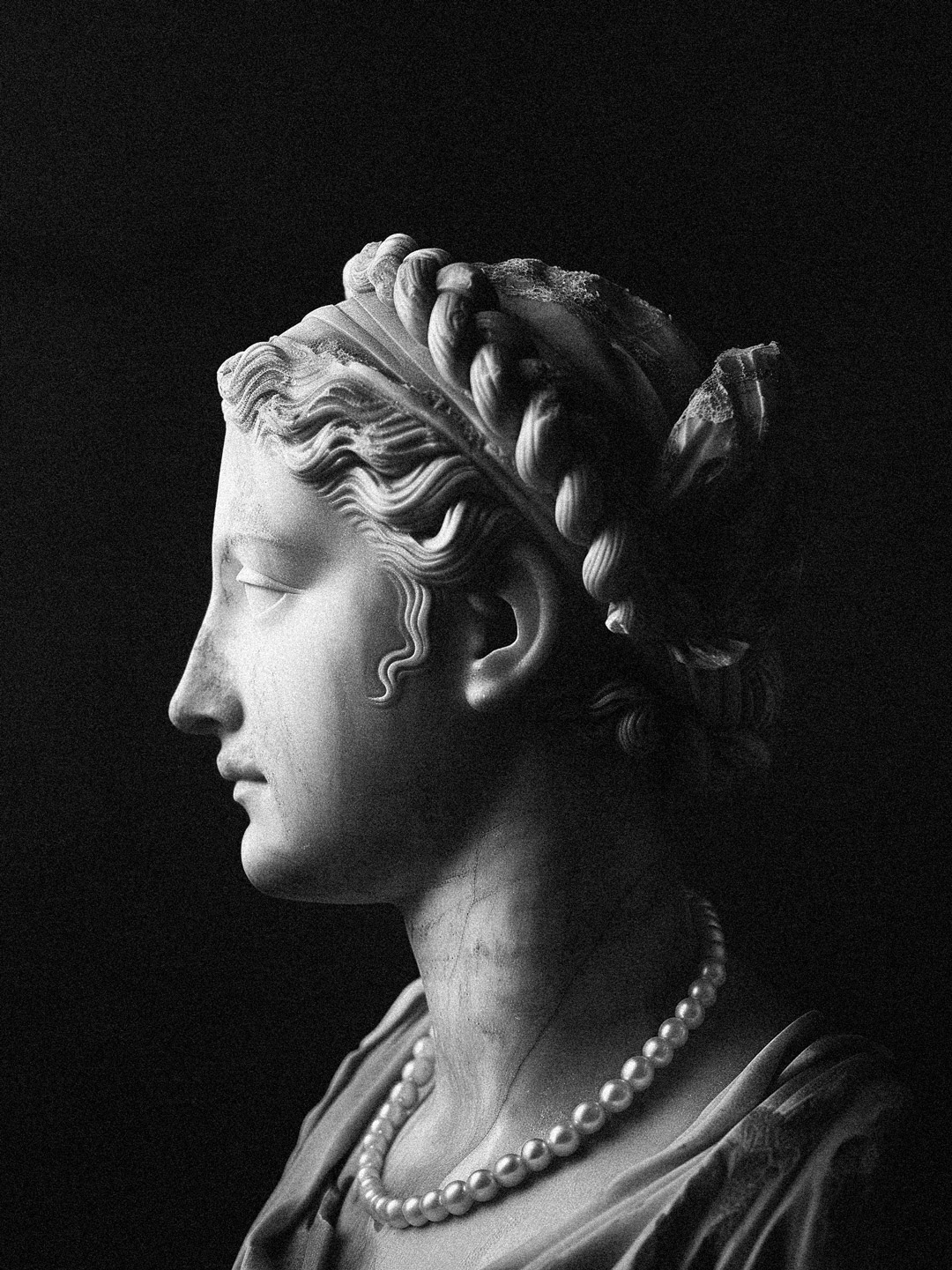
Sappho, spelled (in the dialect spoken by the poet) Psappho, (born c. 610, Lesbos, Greece — died c. 570 BCE). A lyric poet greatly admired in all ages for the beauty of her writing style.
Her language contains elements from Aeolic vernacular and poetic tradition, with traces of epic vocabulary familiar to readers of Homer. She has the ability to judge critically her own ecstasies and grief, and her emotions lose nothing of their force by being recollected in tranquillity.
Designed with WordPress
3 responses to “Photo series of the Second Palace of Knossos (ca. 1700-1600 BCE) # 2”
Such a pity it was destroyed. It must have been magnificent in its time. !
It certainly was! … as you will see in the next three posts, showing the original palace. Minoan architecture was quite unlike anything else in the ancient world, ANYWHERE in the world. Most ancient civilizations (except Knossos and Athens) went in for overstated, busy architecture, which I don’t like at all. For instance, the Babylonians and especially the Chinese. I love simple architecture with clean lines, just as the Minoans did. And did you know that the brilliant early modern architect, Frank Lloyd Wright, was directly inspired by Knossos? That says an awful lot!
The only thing I am not too keen on about most of the Greek buildings is there flat roofs. But I love the Palace buildings of course.