Archaeology, Anthropology and Interstellar Communication 2: Relevant Photography and Images Here we see some photographs and images relevant to our translation of Richard Saint-Gelais' brilliant article,Archaeology, Anthropology and Interstellar Communication 2 research... and some not so relevant! First off, we have here a chart illustrating thee extreme geometric simplicity or more to the point, the Geometric Economy of Mycenaean Greek, which may indeed make it susceptible or even suitable to extraterrestrial communication with other intelligent beings, if we accept the “fact” that we ourselves are “intelligent”... a point which is open to serious debate! The Geometric Economy of Mycenaean Linear B:Moreover, Linear B's closest cousin, Arcado-Cypriot Linear C, which followed closely on the heels of Linear B, once it fell out of use with the fall of Mycenae ca. 1200 BCE, and which lasted continually from ca. 1100-400 BCE (!), is just as remarkable for its Geometric Economy as Linear B, and could equally serve the same capacity as a vehicle for extraterrestrial communication. The Geometric Economy of Arcado-Cypriot Linear C:
On the other hand, nothing could be more ridiculous than the Voyager 1 satellite, launched on Sept. 5 1977, and now hurtling God knows where just outside the confines of our Solar System. Apart from the fact that a mechanical contraption such as this would (and will!) take hundreds of thousands of years to get anywhere at all, what is the point? Moreover, the premises upon which its means of communication with so-called extraterrestrials are based are so absurdly unsound as to beg credence. For instance, what extraterrestrial beings in their right minds (assuming they have minds like us) could conceivably recognize those ridiculous images of a naked man and woman?... unless they were even remotely similar to us physiologically... a likelihood that is about as realistic as winning a lottery of a trillion dollars. And that is just scratching the surface, as we shall discover to our great amusement when I eventually publish my article on Prof. Saint-Gelais' own research. There follow here a few images relative to the Voyager 1 probe which are liable to make you LOL.


Archaeology, Anthropology and Interstellar Communication 2: Relevant Photography and Images

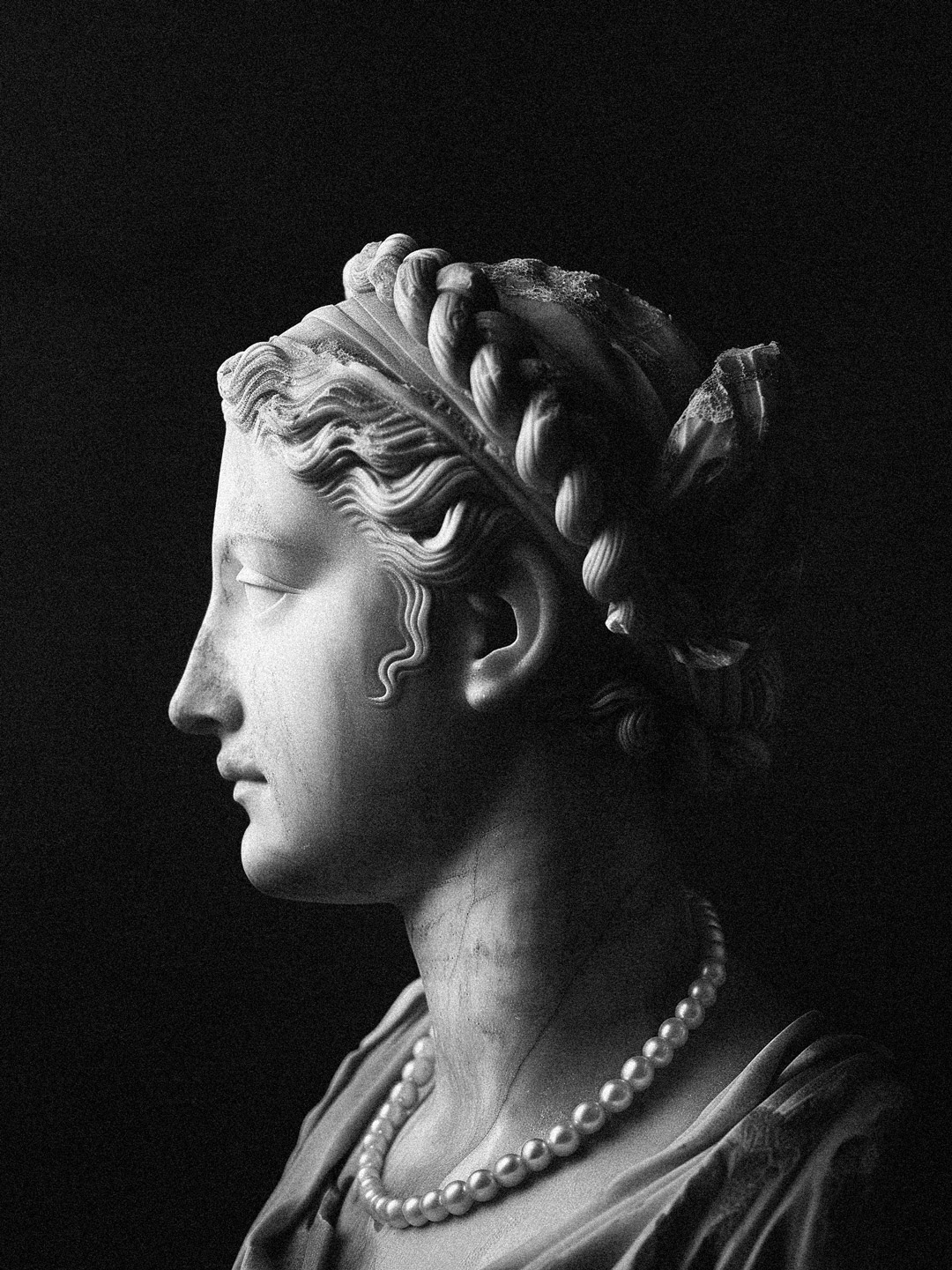
Sappho, spelled (in the dialect spoken by the poet) Psappho, (born c. 610, Lesbos, Greece — died c. 570 BCE). A lyric poet greatly admired in all ages for the beauty of her writing style.
Her language contains elements from Aeolic vernacular and poetic tradition, with traces of epic vocabulary familiar to readers of Homer. She has the ability to judge critically her own ecstasies and grief, and her emotions lose nothing of their force by being recollected in tranquillity.
Designed with WordPress
You must be logged in to post a comment.