Translation of Knossos tablet KN 783 B 0 4: the practioner’s tabletThe “practioner’s” tablet appears to refer to a medical practitioner. In classical Greek, the word didaskaleios always refers to a “teacher”. But it cannot literally mean this in Minoan/Mycenaean times, because there was no literature as such to teach. However, medical practitioners or doctors could teach their disciples or students. This is what I believe this tablet is about. I cannot be sure; no one can. In addition to the medical component, there must have also been a religious one, since in the ancient world, medical practices were more often than not, conducted under the auspices of favourable religious omens.
Translation of Knossos tablet KN 783 B 0 4: the practioner’s tablet

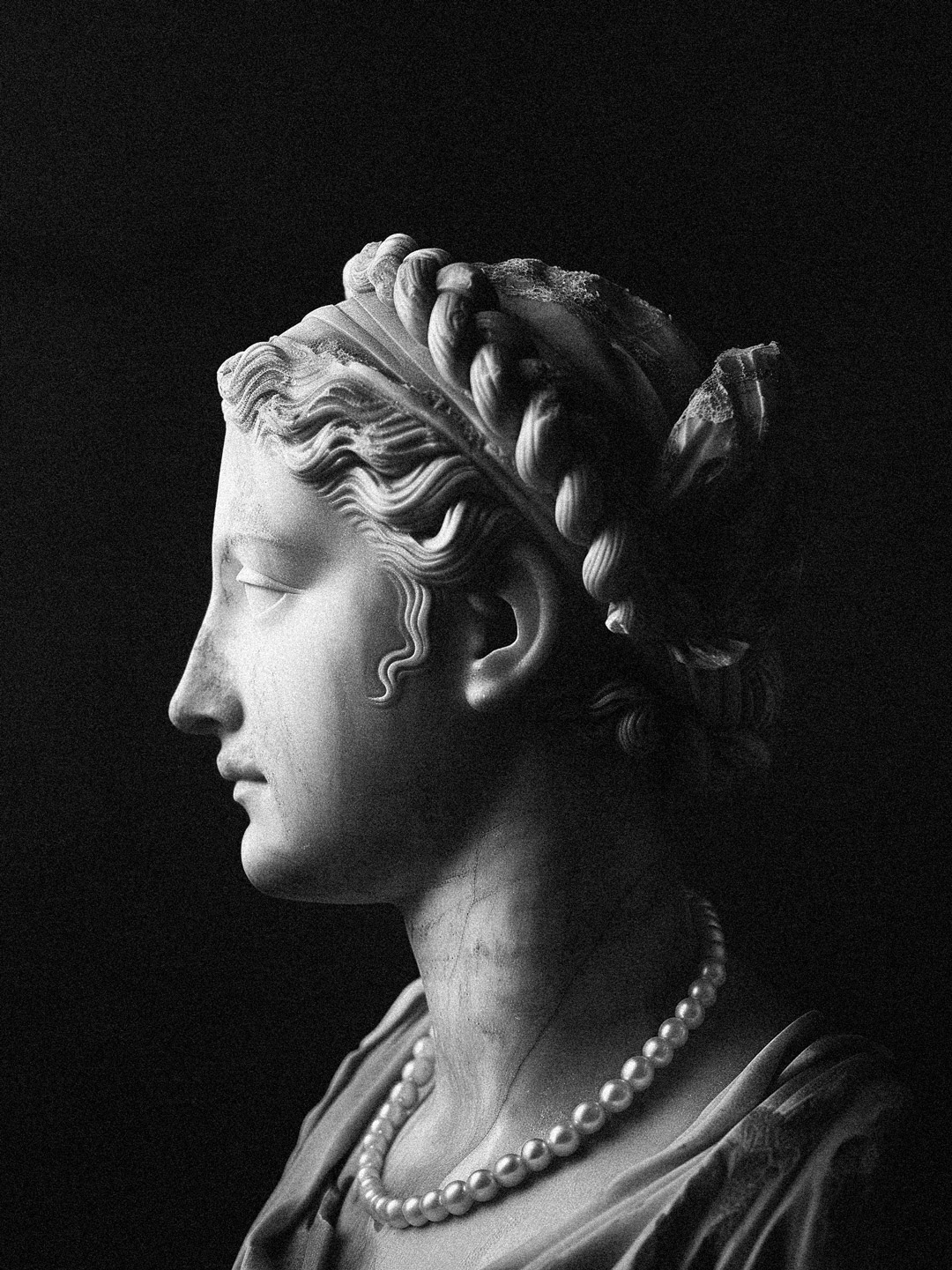
Sappho, spelled (in the dialect spoken by the poet) Psappho, (born c. 610, Lesbos, Greece — died c. 570 BCE). A lyric poet greatly admired in all ages for the beauty of her writing style.
Her language contains elements from Aeolic vernacular and poetic tradition, with traces of epic vocabulary familiar to readers of Homer. She has the ability to judge critically her own ecstasies and grief, and her emotions lose nothing of their force by being recollected in tranquillity.
Designed with WordPress
You must be logged in to post a comment.