The composite supersyllabograms ZE & RO with the ideogram for horse in Linear B:This is one of only two tablets in the entire corpus of Linear B tablets which has two supersyllabograms modifying their ideogram, making them a unique phenomenon. The other one appears in the next post. While the supersyllabogram ZE, meaning “a team of horses”, is straightforward, RO appears only once on this fragment, and nowhere else on any Linear B tablet or fragment, regardless of provenance. L.R. Palmer, in “The Interpretation of Mycenaean Greek Texts” (1963) defines it as meaning “a part of the horse trappings, made of leather”. I have no reason to discount this interpretation. It is unusual for the ideogram for armour to follow that for horse, and especially for the scribe to indicate that there are two (2) sets of armour for the (chariot) drivers, one for each... unusual because the ideogram for armour almost always follows that for chariot and precedes that for a team of horses. Be it as it may, that is the way the scribe inscribed it; so we'll take it at its face value.
The composite supersyllabograms ZE & RO with the ideogram for horse in Linear B

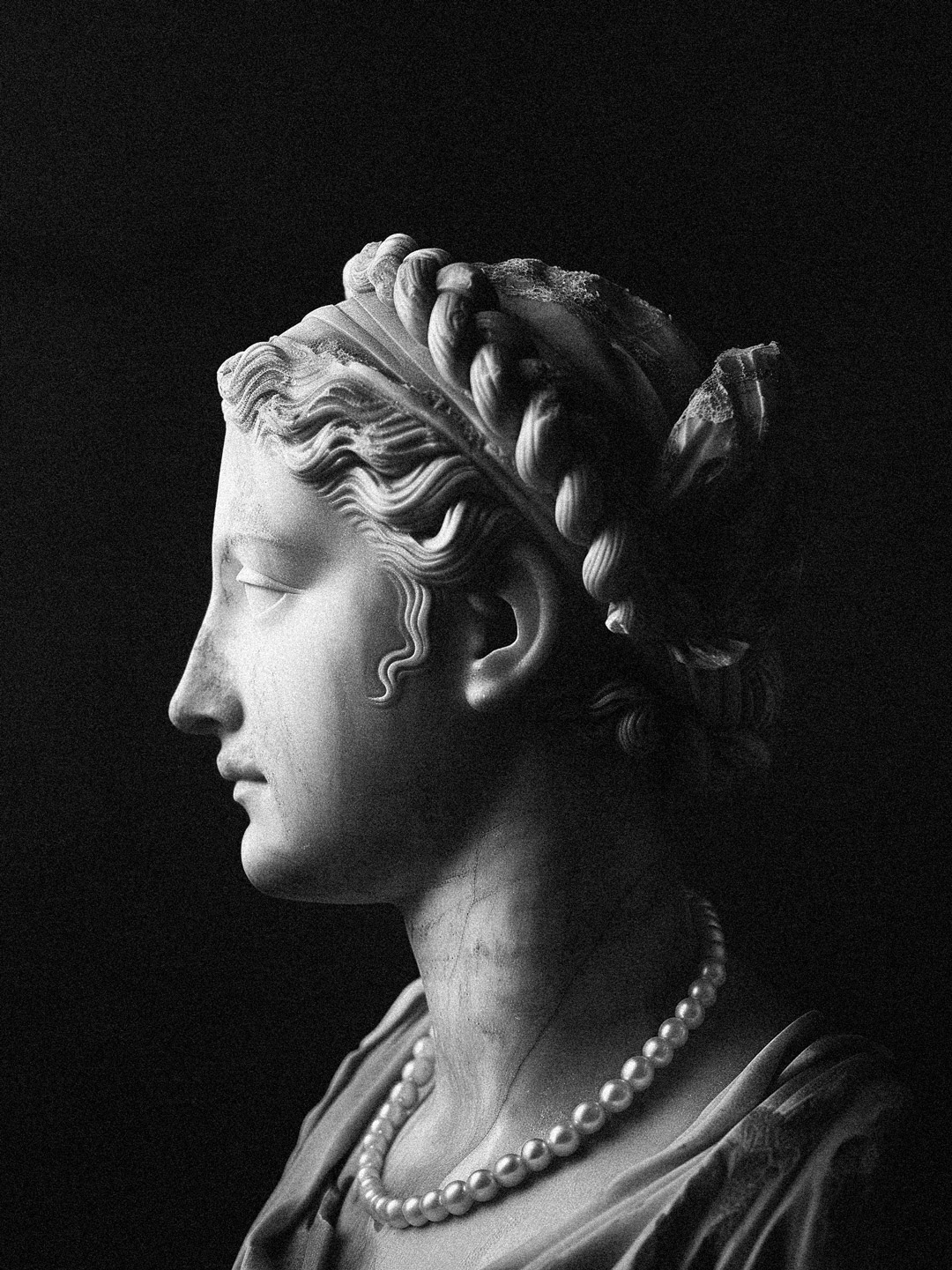
Sappho, spelled (in the dialect spoken by the poet) Psappho, (born c. 610, Lesbos, Greece — died c. 570 BCE). A lyric poet greatly admired in all ages for the beauty of her writing style.
Her language contains elements from Aeolic vernacular and poetic tradition, with traces of epic vocabulary familiar to readers of Homer. She has the ability to judge critically her own ecstasies and grief, and her emotions lose nothing of their force by being recollected in tranquillity.
Designed with WordPress
You must be logged in to post a comment.