Translation of Linear B tablet 04-42 N u 17 from the Knossos “Armoury”This tablet poses only one problem of any consequence. It is almost certain that the scribe misspelled – opero – on the first line, where he has inscribed it as – opeda - . There is nothing particularly unusual about such an error, given that the syllabogram – da – looks almost like that for – ro -, except that it is missing the left side of the horizontal bar. Any interpretation other than – opero – makes no sense in this context.
Translation of Linear B tablet 04-42 N u 17 from the Knossos “Armoury”

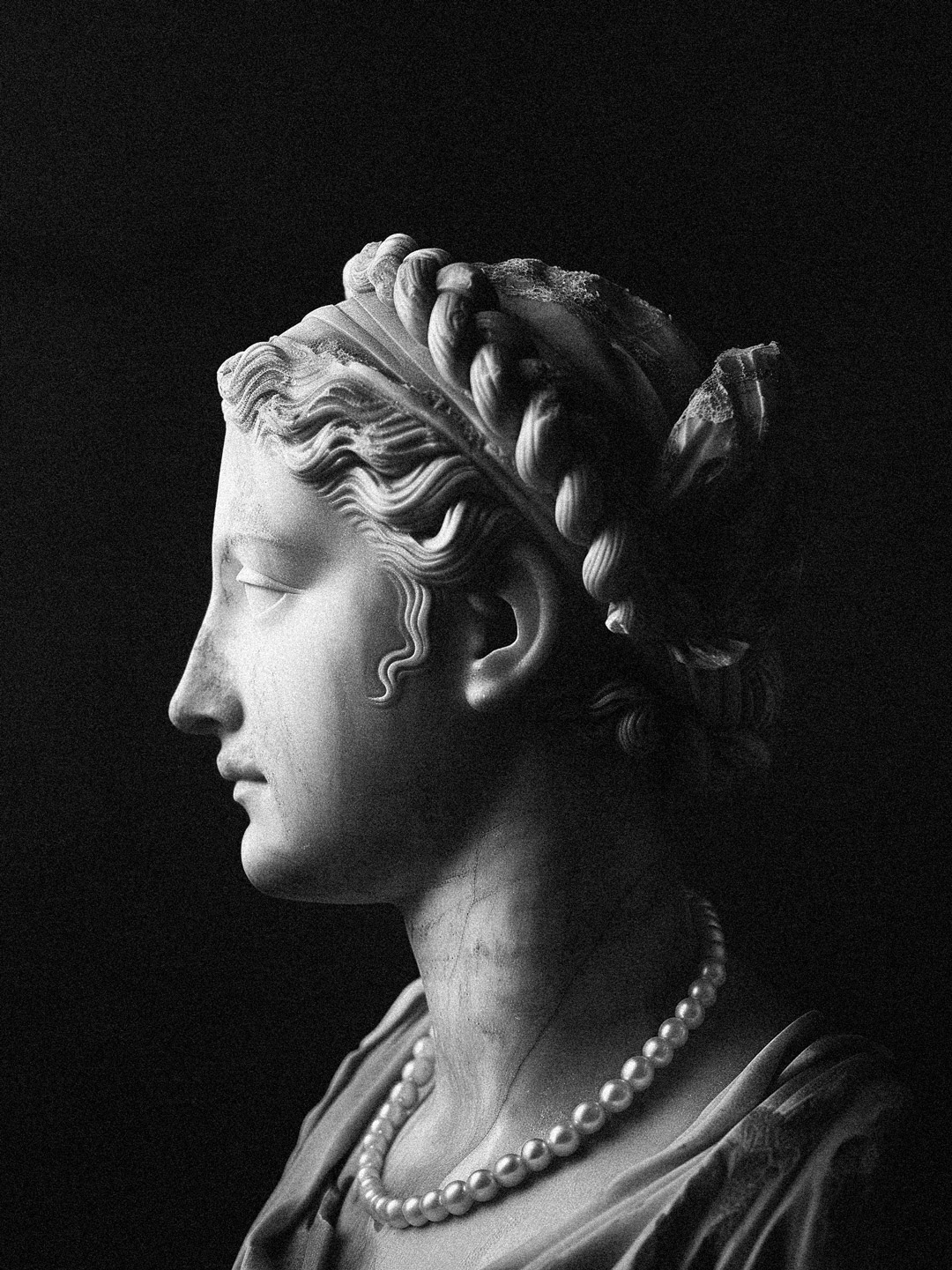
Sappho, spelled (in the dialect spoken by the poet) Psappho, (born c. 610, Lesbos, Greece — died c. 570 BCE). A lyric poet greatly admired in all ages for the beauty of her writing style.
Her language contains elements from Aeolic vernacular and poetic tradition, with traces of epic vocabulary familiar to readers of Homer. She has the ability to judge critically her own ecstasies and grief, and her emotions lose nothing of their force by being recollected in tranquillity.
Designed with WordPress
2 responses to “Translation of Linear B tablet 04-42 N u 17 from the Knossos “Armoury””
Thank you for posting these translations. I really appreciate your combination of translation and discussion of how the syllabograms have been used.
Thank you very much, Stella! I am glad you are enjoying our VERY BUSY blog.
Best
Richard