Here you see two more chariot tablets from the Knossos “armoury” KN 04-34 N u 08The first deals with 2 chariots, not 1, since the number 2 after the ideogram for “wheel” cannot conceivably mean that one chariot has two sets of wheels on axle! Given that the supersyllabogram MO refers to “a single”, it would appear that there is at least a single spare wheel on hand. But that is not necessarily the case, because the tablet is right truncated. It makes more sense that there would be two spares for two chariots. Folks back in the late Minoan and Mycenaean era kept spares on hand too, though they did not carry the spare around with them. They would have to go back to the workshop to get a spare for a broken wheel. A bit of a pain in the butt. Still, there is nothing new under the sun. Chariots, cars, six of one, half a dozen of the other. KN 04.38 N u 11
The second one deals with the eventual delivery of 15 chariots made of elm wood with their wheels already on axle presently under construction. Their translation is quite straightforward. The supersyllabogram ZE, when paired with the ideogram for “wheel” always means “with (2) wheels” or to put it more succinctly, “with its wheels on axle”.
Here you see two more chariot tablets from the Knossos “armoury”

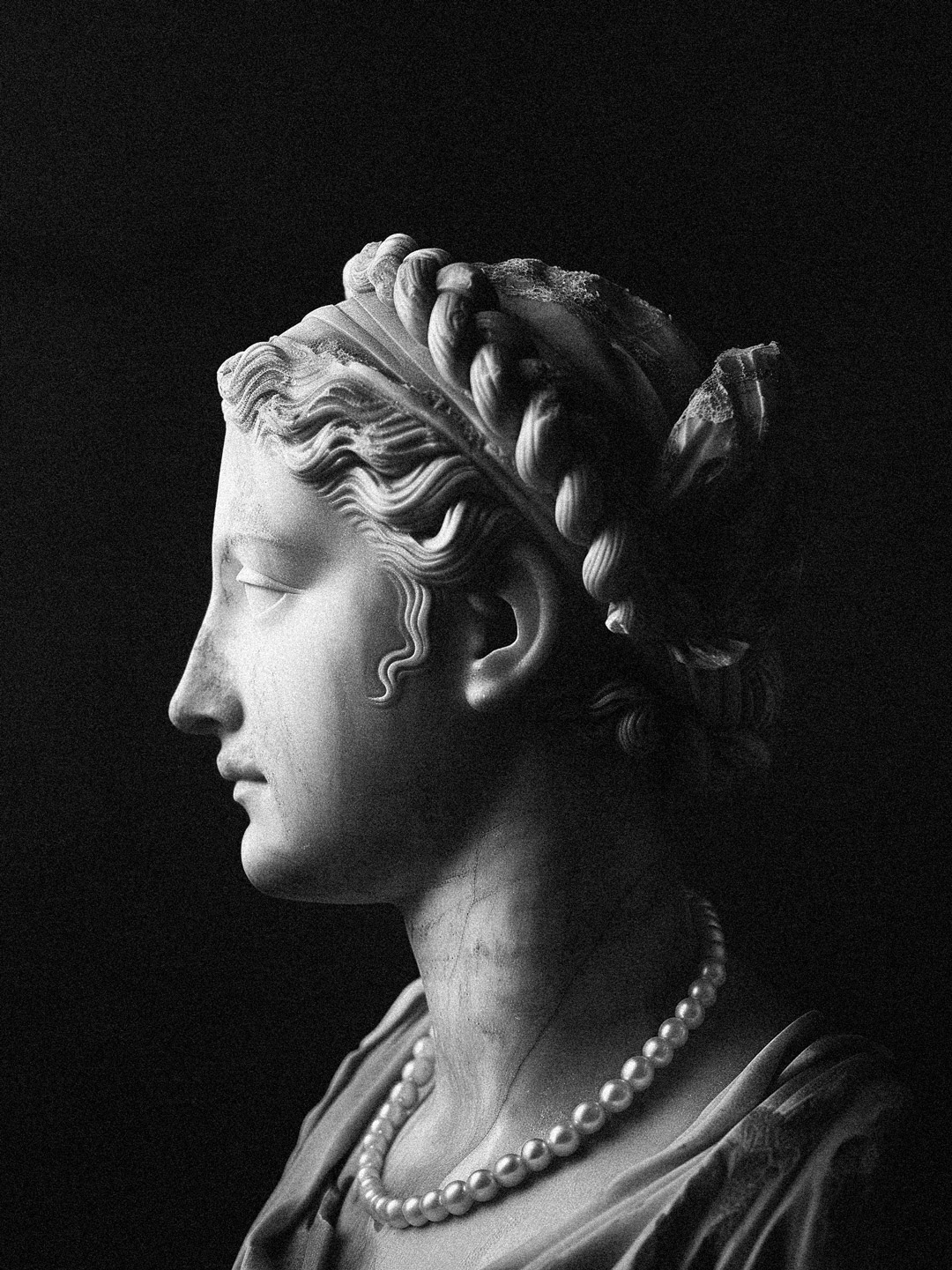
Sappho, spelled (in the dialect spoken by the poet) Psappho, (born c. 610, Lesbos, Greece — died c. 570 BCE). A lyric poet greatly admired in all ages for the beauty of her writing style.
Her language contains elements from Aeolic vernacular and poetic tradition, with traces of epic vocabulary familiar to readers of Homer. She has the ability to judge critically her own ecstasies and grief, and her emotions lose nothing of their force by being recollected in tranquillity.
Designed with WordPress
One response to “Here you see two more chariot tablets from the Knossos “armoury””
[…] Source: Here you see two more chariot tablets from the Knossos “armoury” […]