January 2016 is “chariot” month. So let’s take you for a ride! Here is the first tablet illustrating a chariot with 2 stallions being driven by a fellow whose name translates something like “longshoreman”, which makes sense if the fellow is a post messenger who frequently drives to and from Knossos and its harbour, Amnisos.Rita Roberts and I shall be posting at least a dozen chariot-related tablets in January. So keep posted. Richard
January 2016 is “chariot” month. So let’s take you for a ride!

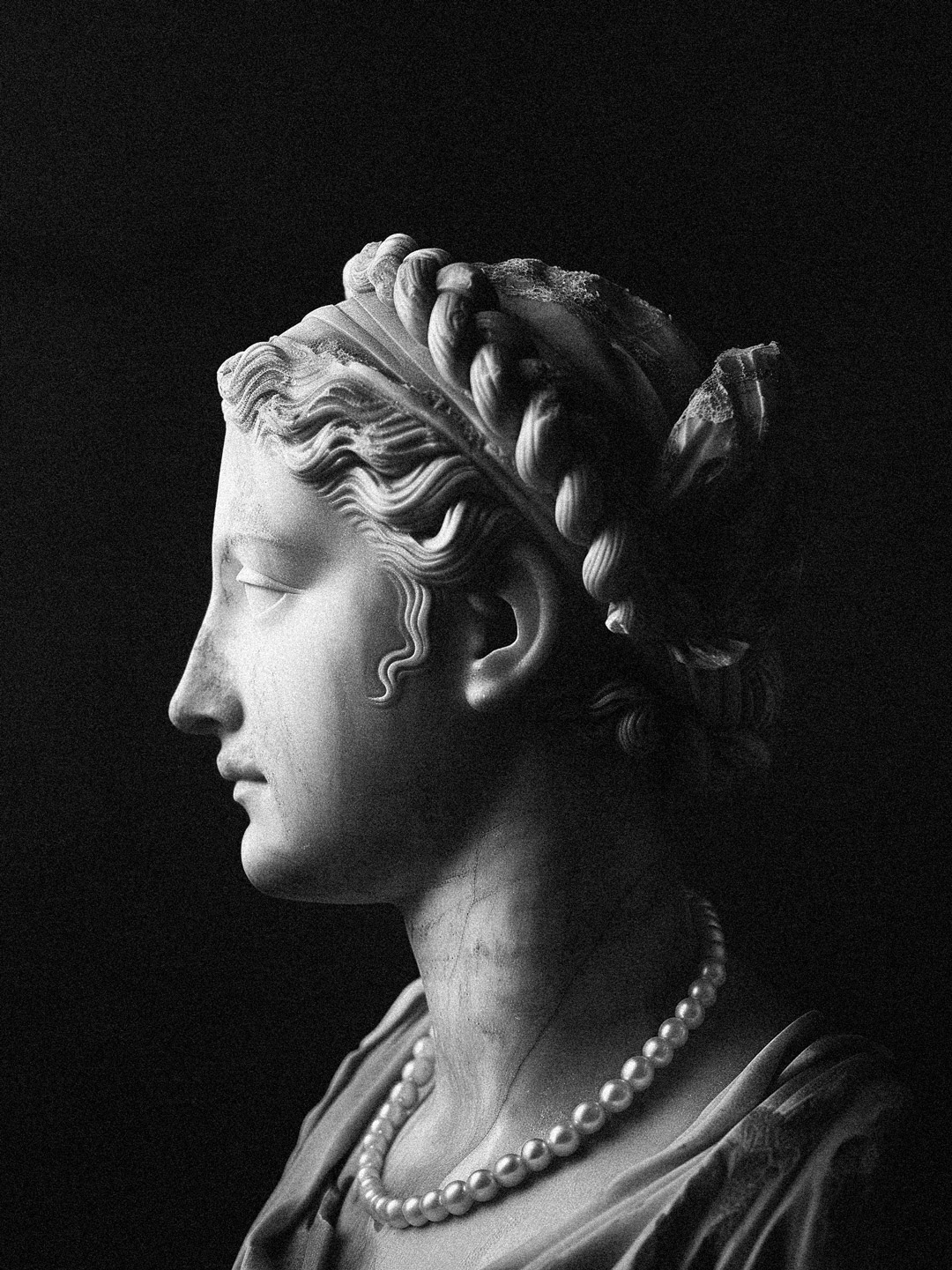
Sappho, spelled (in the dialect spoken by the poet) Psappho, (born c. 610, Lesbos, Greece — died c. 570 BCE). A lyric poet greatly admired in all ages for the beauty of her writing style.
Her language contains elements from Aeolic vernacular and poetic tradition, with traces of epic vocabulary familiar to readers of Homer. She has the ability to judge critically her own ecstasies and grief, and her emotions lose nothing of their force by being recollected in tranquillity.
Designed with WordPress
7 responses to “January 2016 is “chariot” month. So let’s take you for a ride!”
I have taken notice of these comments Richard. !!
I am not sure which ones you are referring to. Thanks! Richard
[…] Source: January 2016 is “chariot” month. So let’s take you for a ride! […]
What is an “armoured chariot”?
A simpler interpretation: Opilimnios received an armour, a chariot, and one horse.
While this translation makes some sense, there are in my opinion three significant errors in it as it stands.
These are:
1. It is much more likely that he is WEARING the armour than receiving it.
2. It is more likely that he either has or is driving the chariot. Linear B tablets almost never
include verbs, so we must divine the meaning. The most likely interpretations are either that
he HAS or that he is driving the chariot.
3. Minoan Mycenaean chariots ALWAYS had 2 horses.
Thanks for your interpretation. If you have any further comments in response, please feel free
to offer them.
PS I am going to visit your blog and bookmark it, plus add it to the links on this site.
I hope you will reciprocate.
Glad to have you on board. Just wondering what your first name is…
Cheers
Richard
I am not sure whether or not LBK&M is the largest general Minoan, Linear A, Mycenaean Linear B
& Arcado-Cypriot Linear C (which I also read) on the Internet, but it is.
Richard
Woops! Your are right about the armoured chariot! I should have said that the
driver was wearing armour. Sorry. I shall correct the post.
Thanks!
Also check me out on academia.edu
https://westernu.academia.edu/RichardVallance/Papers
where I stand in the top 1 % of contributors.
I am also about to have 27 page article on an archaeological translation of Pylos tablet TA 641-1952
in Archaeology and Science (Belgrade) Vol. 10 (2014) ISSN ISSN 1452-7448. It is annual, apparently
published every two years.
Thanks again
Richard
Hi again.
Actually, I already caught that boo boo with the word armed. It did not take long for me to realize that the notion of an armed chariot is as silly as you say it is.
Thanks again