Rita Robert’s translation of tablet K 04-01-07 / 04-01 N a 01 from the Knossos Armoury: To ENLARGE this image or any other image or photo posted on this blog, RIGHT CLICK on it, select VIEW and then SAVE it to your computer:Rita Robert’s commentary on this tablet: Line 1 - araruya aniyapi = equipped with bridles - wirinijo opoqo = with leather blinkers – kerajapi opiiyapi = with horn bits - ideogram Line 2 - iqiyo = chariot – ayameno erepate = decorated with ivory - araromotemeno = fully assembled – ponikijo = painted crimson. Due to the truncation on the right hand side of this Linear B tablet it is impossible to state whether there is only one or more chariots listed. TRANSLATION: one chariot ? fully assembled equipped with bridles with leather blinkers and horn bits decorated with ivory inlays and painted crimson. A dual chariot depicted on this fresco from Pylos. LH lllA/B date around 1340 BCE


Richard’s comments: Apart from a single error Rita made in line 2 of this tablet, having misread the second syllabogram as -mu- instead of -qi-, consequently misinterpreting -iqiyo- as -Imuyo- ( a person’s name) instead of – iqiyo - = a chariot, her translation is convincing and elegant, as is to be expected from a Linear B translator of her advanced skills. That error has been corrected in the translation above. It goes without saying that the right-truncated ideogram for -chariot- to the right of the tablet between lines 1 and 2 must mean a chariot with wheels, as a chariot without wheels cannot conceivably be fully assembled, equipped and decorated. While the archaic Greek may appear somewhat difficult or abstruse to linguists who specialize in Classical Greek, it is really not so bizarre after all, since we find many parallels in Homer’s Iliad, especially in The Catalogue of Ships in Book II. Notice that the gender of the word for chariot is fluid, i.e. not yet fixed in Mycenaean Greek. Moreover, this word is archaic in the extreme, having disappeared completely from Homeric and Classical Greek. Nevertheless, its meaning is clear from the context of all tablets on which it appears, since on most of them it is juxtaposed with the ideogram for chariot. In my notes on the archaic Greek, you will notice that the (second) aspirated a in the Greek for – kerayapi – is aspirated in the archaic Greek. This orthography does not correspond to the spelling on this tablet, but in Chris Tselentis’ excellent Linear B Lexicon the alternate spelling – kerahapi – is attested as an alternate standard. Richard
Rita Robert’s translation of tablet K 04-01-07 / 04-01 N a 01 from the Knossos Armoury

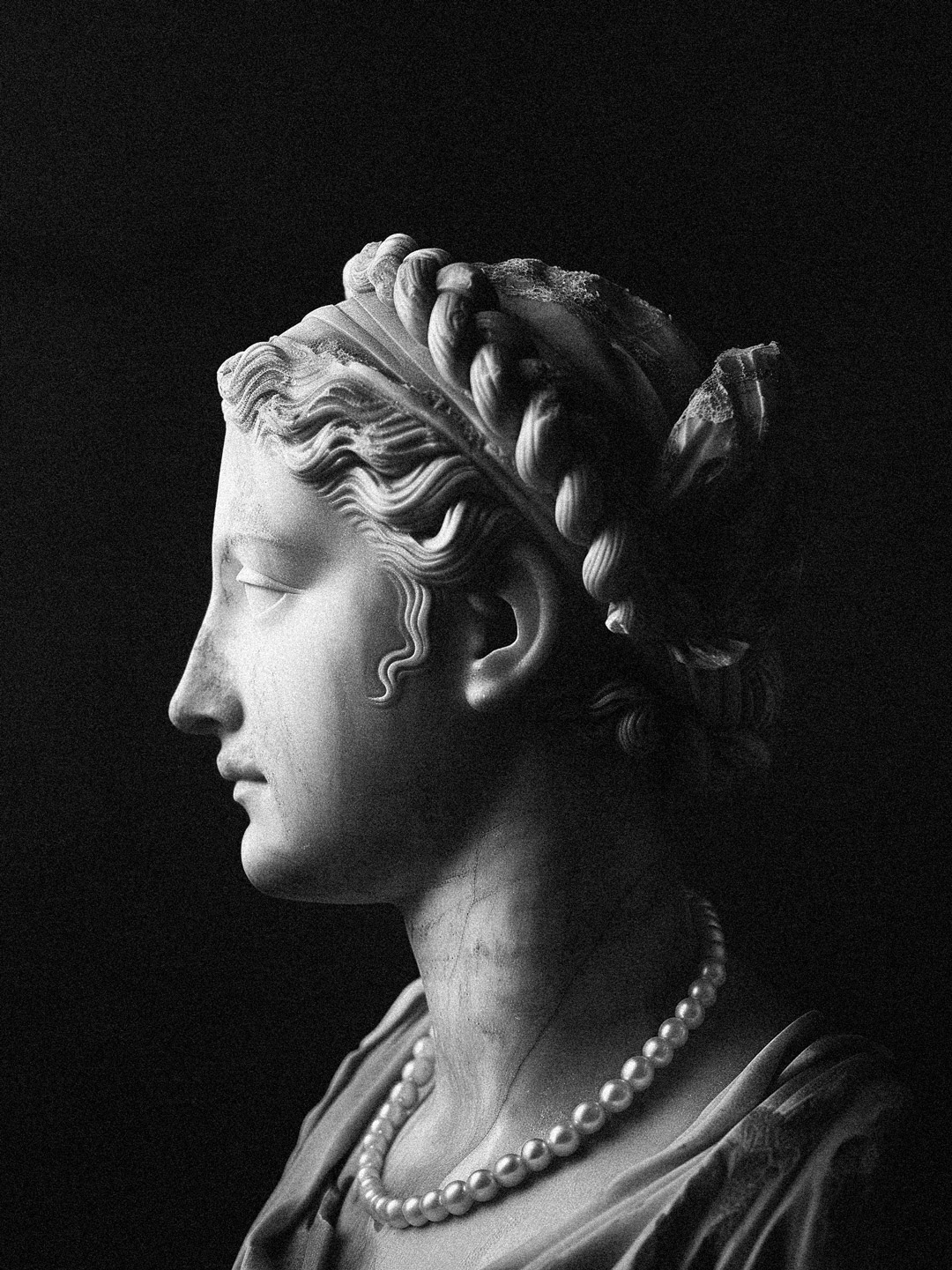
Sappho, spelled (in the dialect spoken by the poet) Psappho, (born c. 610, Lesbos, Greece — died c. 570 BCE). A lyric poet greatly admired in all ages for the beauty of her writing style.
Her language contains elements from Aeolic vernacular and poetic tradition, with traces of epic vocabulary familiar to readers of Homer. She has the ability to judge critically her own ecstasies and grief, and her emotions lose nothing of their force by being recollected in tranquillity.
Designed with WordPress
6 responses to “Rita Robert’s translation of tablet K 04-01-07 / 04-01 N a 01 from the Knossos Armoury”
Reblogged this on KORYVANTES Association published work.
I have re-blogged the above translation and asked my fellow bloggers to leave comments and likes here on your blog Richard. O.K.
Thanks!
[…] Source: Rita Robert’s translation of tablet K 04-01-07 / 04-01 N a 01 from the Knossos Armoury […]
Thank you for this post Richard.
[…] Source: Rita Robert’s translation of tablet K 04-01-07 / 04-01 N a 01 from the Knossos Armoury […]