NOW on academia.edu: The application of geometric co-ordinate analysis (GCA) to parsing scribal hands: Part A: CuneiformGeometric co-ordinate analysis of cuneiform, the Edwin-Smith hieroglyphic papyrus (ca. 1600 BCE), Minoan Linear A, Mycenaean Linear B and Arcado-Cypriot Linear C can confirm, isolate and identify with precision the X Y co-ordinates of single characters or syllabograms in their respective standard fonts, and in the multiform cursive “deviations” from their fixed font forms, or to put it in different terms, can parse the running co-ordinates of each character, syllabogram or ideogram of any scribal hand in each of these scripts. This procedure effectively encapsulates the “style” of any scribe’s hand. This hypothesis is at the cutting edge in the application of graphology a.k.a epigraphy based entirely on the scientific procedure of geometric co-ordinate analysis (GCA) of scribal hands, irrespective of the script under analysis. Richard
NOW on academia.edu: The application of geometric co-ordinate analysis (GCA) to parsing scribal hands: Part A: Cuneiform

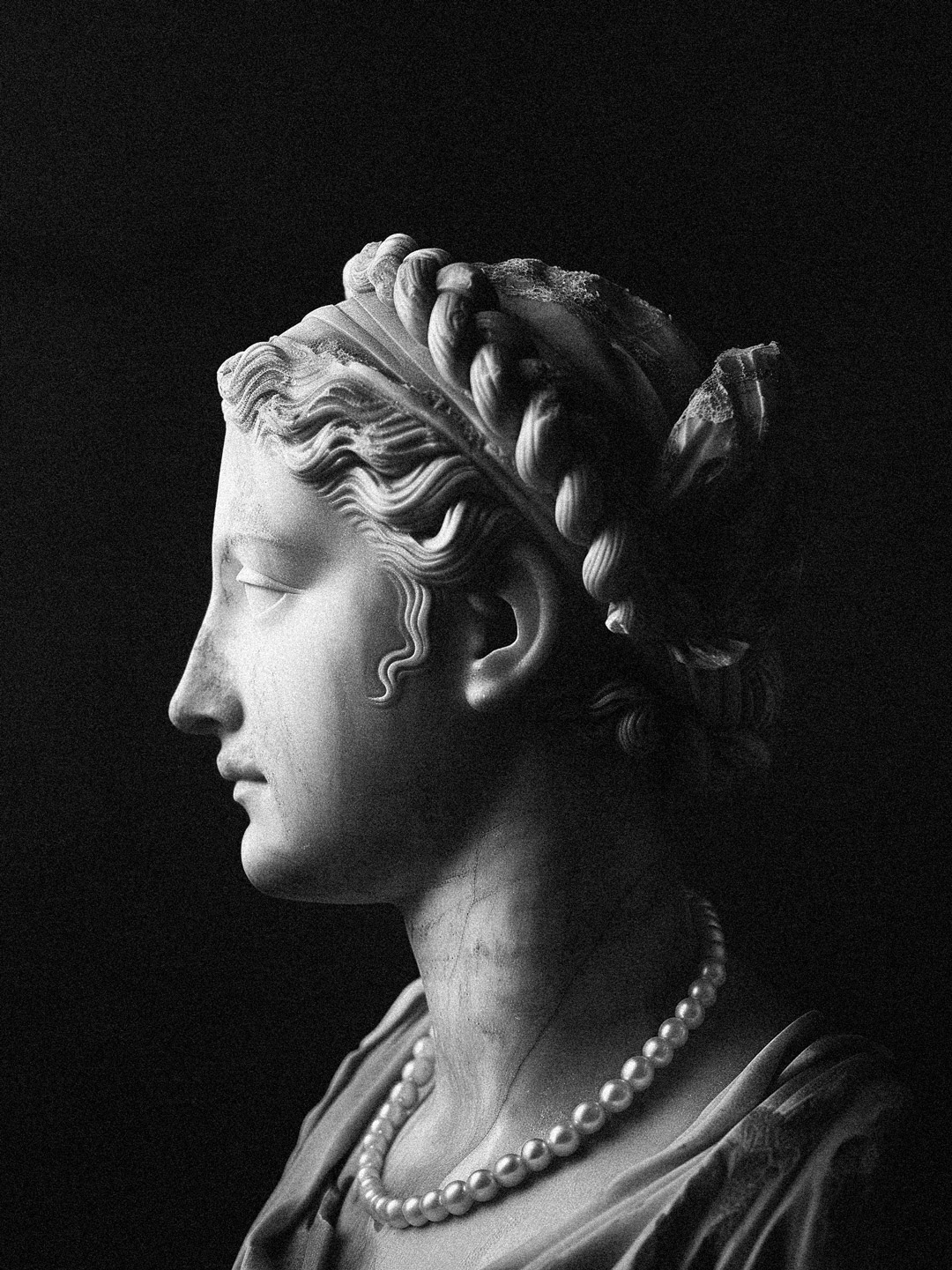
Sappho, spelled (in the dialect spoken by the poet) Psappho, (born c. 610, Lesbos, Greece — died c. 570 BCE). A lyric poet greatly admired in all ages for the beauty of her writing style.
Her language contains elements from Aeolic vernacular and poetic tradition, with traces of epic vocabulary familiar to readers of Homer. She has the ability to judge critically her own ecstasies and grief, and her emotions lose nothing of their force by being recollected in tranquillity.
Designed with WordPress
You must be logged in to post a comment.