My translation of Knossos tablet KN 1548 O k 02 (xc) with original and facsimile: Click to ENLARGEWhile the text of this fascinating tablet is largely straightforward, the word “tirisate” at first posed problems for me. But even at first glance, I could see that “tirisate” had the prefix “tiri”, which almost certainly means “three”, and I quickly deduced that the second part of the word, “sate” was a verbal form. Consulting Liddell & Scotts' Greek-English Lexicon (1986), I was rewarded with the translation you see for this word, which I take indeed to be the present participle of the verb, “to arm, furnish, equip”. Hence the translation. This is not the first time I have encountered compound lexemes in Mycenaean Greek, which were rendered into separate components (words) in later ancient dialects in the Greek alphabet. NOTE: we have now exceeded 900 posts on our blog! Richard
My translation of Knossos tablet KN 1548 O k 02 (xc) with original and facsimile


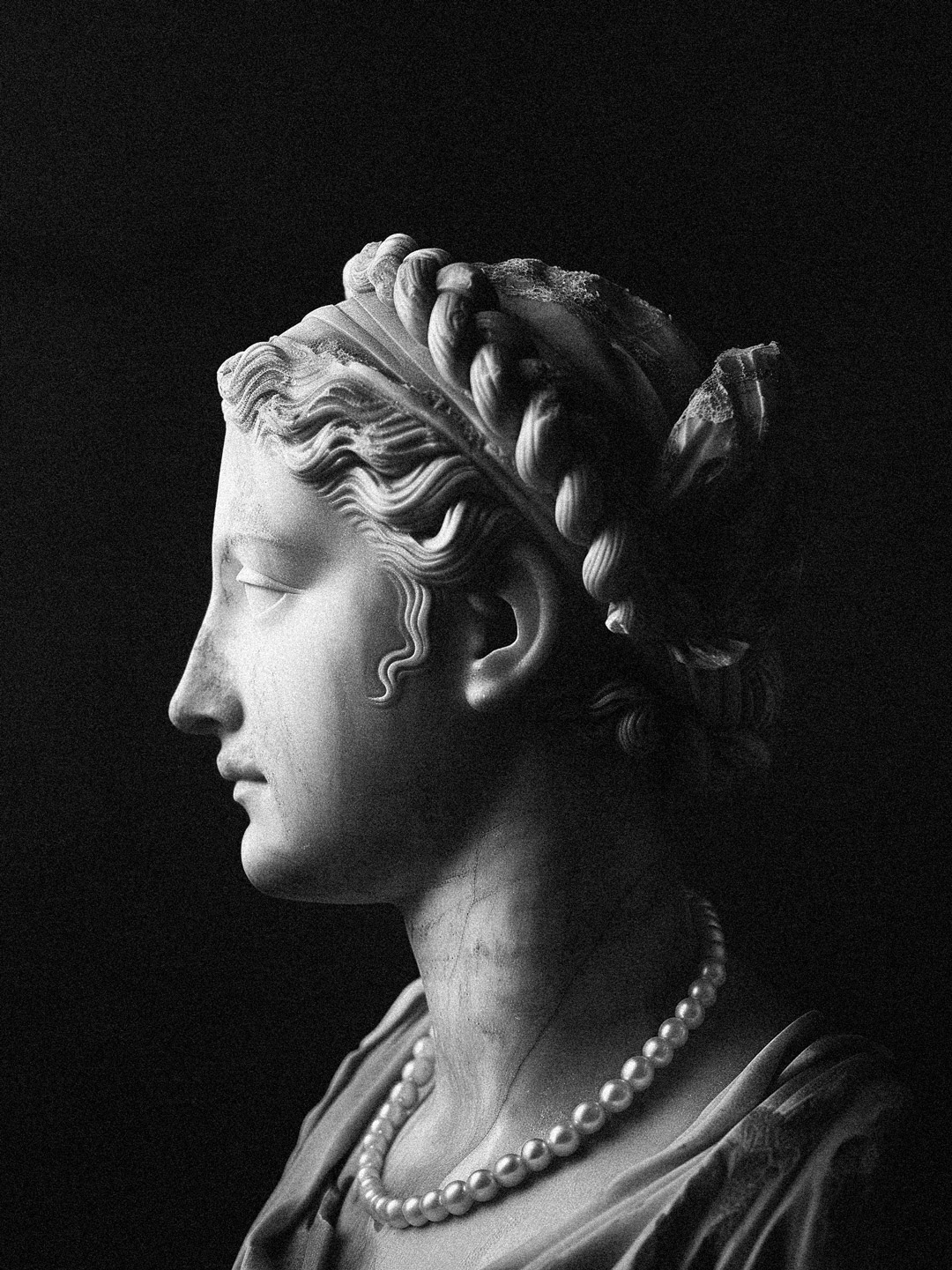
Sappho, spelled (in the dialect spoken by the poet) Psappho, (born c. 610, Lesbos, Greece — died c. 570 BCE). A lyric poet greatly admired in all ages for the beauty of her writing style.
Her language contains elements from Aeolic vernacular and poetic tradition, with traces of epic vocabulary familiar to readers of Homer. She has the ability to judge critically her own ecstasies and grief, and her emotions lose nothing of their force by being recollected in tranquillity.
Designed with WordPress
6 responses to “My translation of Knossos tablet KN 1548 O k 02 (xc) with original and facsimile”
[…] Source: My translation of Knossos tablet KN 1548 O k 02 (xc) with original and facsimile […]
Oh dear I got this one wrong didn’t I I know ! silly mistake which I can see straight away.
Which silly mistake?
Well I translated – pi ri ye te for Ivory Worker because that is what it looks like to me. on the tablet but I know I had the ye wrong. But is the beginning pi ri correct ? You have my translation of this tablet Richard.
Your work looks more like auditing each time I read a post that I actually understand, such as this one.
Thanks. Yes, well, the Mycenaean scribes were into auditing, or more to the point, inventories big time.
Richard