A breakthrough in the decipherment of Minoan Linear A? Is puko the word for a tripod in Linear A? This is my latest published paper on academia .edu. If you wish to read it in its entirety, you may download it here:It is one of three (3) papers which I am having published this year, the other two being: 1. An Archaeologist’s translation of Pylos Tablet TA 641-1952 (Ventris), with an introduction to supersyllabograms in the vessels & pottery Sector in Mycenaean Linear B, shortly to appear in the peer-reviewed European archaeological journal, Archaeology and Science / Arheologija I Prirodne Nauke (Belgrade) ISSN 1452-7448
for which you can read submission guidelines and examples of articles in this PDF file: Click on the link below to read it Archaeology and Science guidelines & for which the following information is now available: ABSTRACT In partnership with The Association of Historical Studies, Koryvantes (Athens), our organization, Linear B, Knossos & Mycenae (WordPress), conducts ongoing research into Mycenaean archaeology and military affairs and the Mycenaean Greek dialect. This study centres on a fresh new decipherment of Pylos tablet TA 641-1952 (Ventris) by Mrs. Rita Roberts from Crete, who brings to bear the unique perspectives of an archaeologist on her translation, in all probability the most accurate realized to date. We then introduce the newly minted term in Mycenaean Linear B, the supersyllabogram, being the first syllabogram or first syllable of any word or entire phrase in Linear B. Supersyllabograms have been erroneously referred to as “adjuncts” in previous linguistic research into Mycenaean Linear B. This article demonstrates that their functionality significantly exceeds such limitations, and that the supersyllabogram must be fully accounted for as a unique and discrete phenomenon without which any approach to the interpretation of the Linear B syllabary is at best incomplete, and at worse, severely handicapped. Keywords: Mycenaean Linear B, syllabograms, logograms, ideograms, supersyllabograms, adjuncts, Linear B tablets, Pylos, Pylos TA 641-1952 (Ventris), decipherment, translation, pottery, vessels, tripods, cauldrons, amphorae, kylixes, cups, goblets & 2. The Rôle of Supersyllabograms in Mycenaean Linear B
Presentation by Richard Vallance Janke at the Pultusk Academy of the Humanities, Pultusk, Poland, July 1 2015, TBP (to be published) late 201r or early in 2016. Richard
A breakthrough in the decipherment of Minoan Linear A? Is puko the word for a tripod in Linear A?


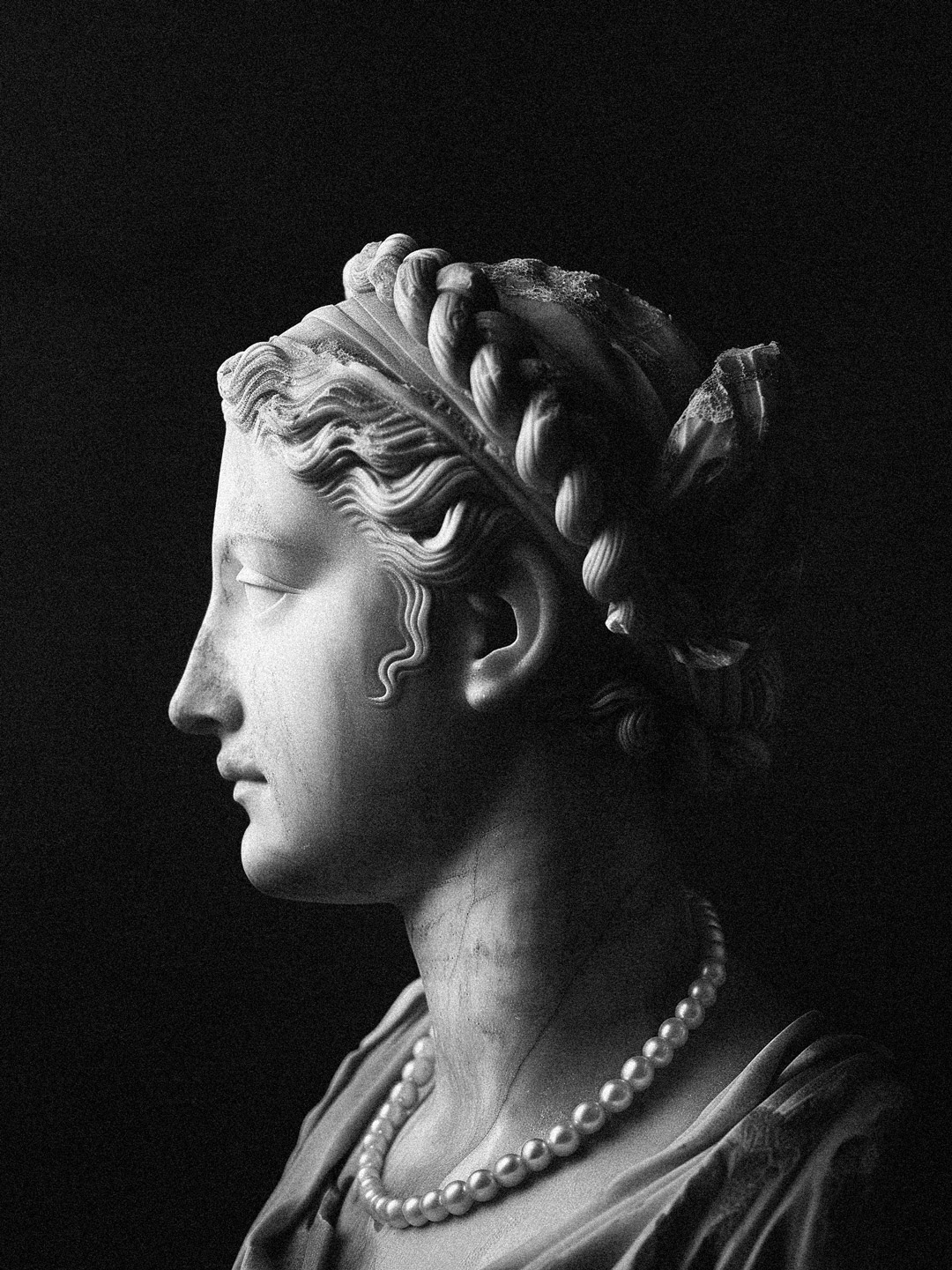
Sappho, spelled (in the dialect spoken by the poet) Psappho, (born c. 610, Lesbos, Greece — died c. 570 BCE). A lyric poet greatly admired in all ages for the beauty of her writing style.
Her language contains elements from Aeolic vernacular and poetic tradition, with traces of epic vocabulary familiar to readers of Homer. She has the ability to judge critically her own ecstasies and grief, and her emotions lose nothing of their force by being recollected in tranquillity.
Designed with WordPress
5 responses to “A breakthrough in the decipherment of Minoan Linear A? Is puko the word for a tripod in Linear A?”
Nice one Richard. I hope you will be able to crack Linear A I bet you do !!
You and Rita Roberts are doing something exceedingly important. I wish I understood more but I know you are making inroads into a distant past.
Hi Doran!
I hope this is your real name. I am so happy you are supporting Rita, my Linear B “student”, who is now far more than that, as she is
catching up with me, being as she is in first year university. I shall be granting her her B.Sc. in Linguistics within 3 years.
Bye for now
Richard
Hello Richard,
My real name is Dorothy Ann and most people call me “Dor.”
Thank you for your kind response. I am proud to know Rita even via cyberspace and of course,I am impressed with both of you.
~Dor
Sure thing, Dor. Glad to meet you “formally”, but I have been aware of your presence on Rita’s blog for a long time now.
Best
Richard