Double-Edged Sword - Haiku in Mycenaean Linear B: the sea, the wind & the navy... Who is the victor?

While this haiku is possible in Mycenaean Greek, it is impossible in any later ancient Greek dialect. This happens to be the case because in the Linear B syllabary all syllables must perforce end with a vowel, never a consonant. Hence, it is impossible to distinguish the subject from the object in the second declension in o in Mycenaean Greek composed in Linear B. But that is just what makes this haiku so intriguing. See the notes following the first translation into archaic Greek for my explanations. Click to ENLARGE:
Double-Edged Sword – Haiku in Mycenaean Linear B: the sea, the wind & the navy… Who is the victor?


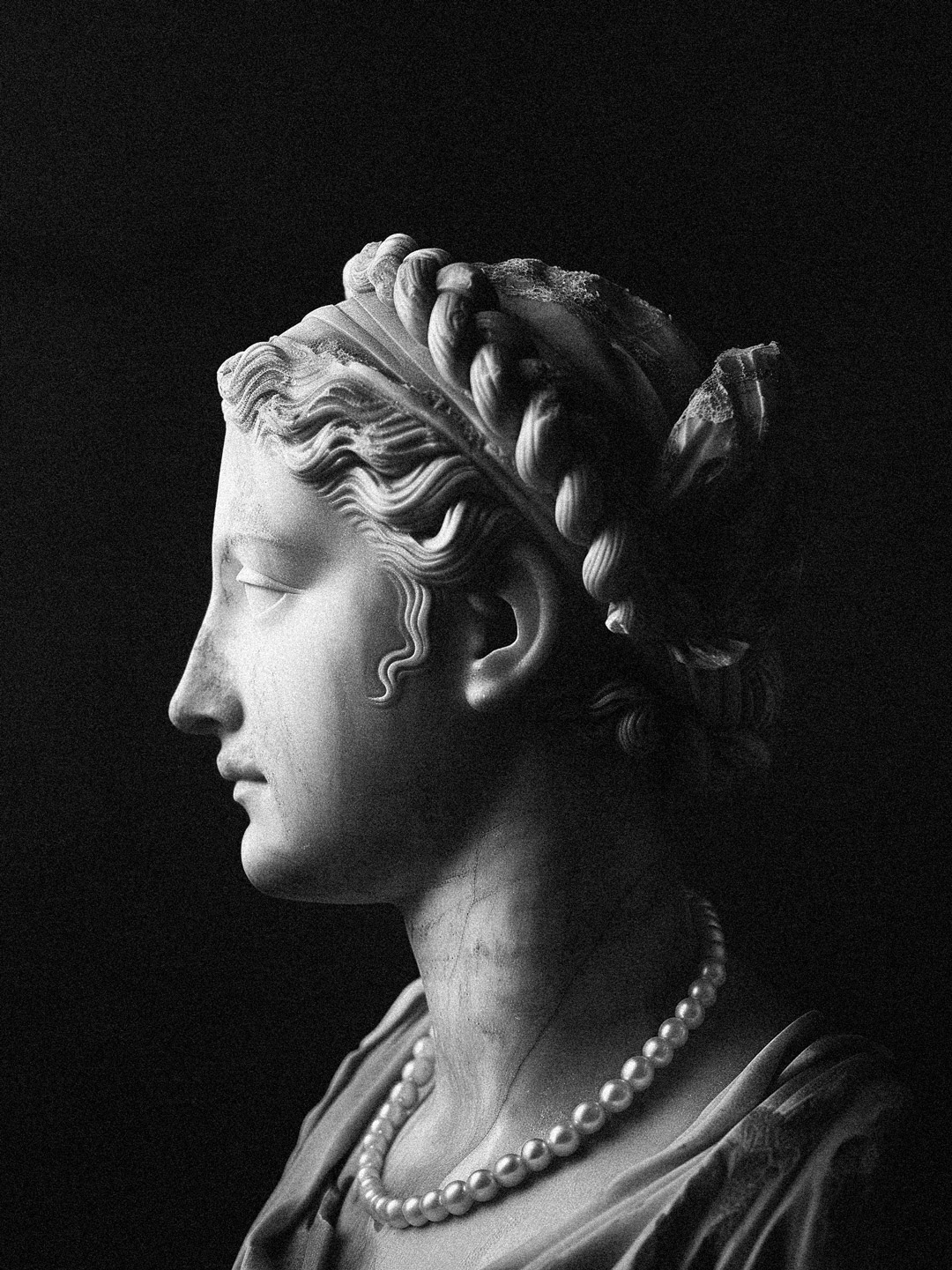
Sappho, spelled (in the dialect spoken by the poet) Psappho, (born c. 610, Lesbos, Greece — died c. 570 BCE). A lyric poet greatly admired in all ages for the beauty of her writing style.
Her language contains elements from Aeolic vernacular and poetic tradition, with traces of epic vocabulary familiar to readers of Homer. She has the ability to judge critically her own ecstasies and grief, and her emotions lose nothing of their force by being recollected in tranquillity.
Designed with WordPress
2 responses to “Double-Edged Sword – Haiku in Mycenaean Linear B: the sea, the wind & the navy… Who is the victor?”
Richard, Linda and I met you in Prague last month. I am a bit deaf. For that reason I missed important details of our chat. I had only your given name, national origin, and that you were bound for Warsaw to present at conference on a topic (which didn’t register in my accountant’s brain). Googled as follows: Richard ancient text Warsaw July 1, 2015. A few clicks later I found the Warsaw conference brochure with one Richard. So here I am. I can’t claim any experience with the subject of your life’s work. I can say that we have a surprising number of commonalities. I sent via email to two of your addresses a published poem and some entries from my DD214 as evidence. Your haiku The Sea! The Sea! is lovely in English. The rest is, shall I say, Greek to me? As a teacher of accounting, some years ago I decided that on Fridays I would read poetry for my advanced students for the first 15 minutes of class. My colleagues thought this insane. That is probably correct. One Friday around 1988 I forgot to bring a poem to class. I decided to just get down to consolidations. Several students objected. What to do? I had written one haiku recounting a very painful event. I turned by back on the students to get my recollection and composure in order. Then I spoke the haiku titled Fear. My son, my son, your handsome face so gray and twisted, three blue pills Dad. Now of course I understand that this probably is not structured correctly. That is not the point. The point became clear approximately 15 years later. A former advanced student wrote to me and wanted to tell me that he didn’t like my class at all except for the Friday poetry readings. He then commented on this haiku and recited in his email. there was one minor wording misstep. One never knows the impressions or impact that our actions can make on our fellow humans.
PS. Please excuse the fact that I have no experience with blogs.
Joe and Linda
Thank you so much, my friend! Merci tellement, mon ami ! I cannot really do justice to your amazing commentary on haiku, but I can tell you that I share your frustrations and very unpleasant encounters in the world of poetry. I have had more than my share of these! Almost all poets seem to. There is so much jealousy and envy in poetry and literature, which is FAR from being the case in linguistics and archaeology, which are relatively well established sciences, and where reasonable criticism is the norm rather than the exception. Please contact me at my gmail account:
vallance22@gmail.com
so that we can share more about haiku and poetry.
Best
Richard