Military Ideograms in Linear B for spear, arrow, axe, (long) sword, short sword or dagger, horn, bow & arrow: Click to ENLARGEWith the exception of the last one on the bottom right, these military ideograms speak for themselves. Mrs. Rita Roberts of Crete and I are of the opinion that her decipherment of B259 comes down to “bow and arrow”, in light of a Linear B seal inscribed with an archer wielding a bow and arrow she recently found on the internet and we posted here, which looks uncannily like the syllabogram itself. The very last ideogram (bottom right), with the arrow pointing at it, is as yet undeciphered. Mrs. Roberts, Spyros Bakas, in the graduate program for Mycenaean Studies at the University of Warsaw, the Association of Historical Studies (Koryvantes), Athens and I myself are all working together to find a solution for a tenable decipherment of this last ideogram. Should any one of you reading this post have any further suggestions for its decipherment, please feel free to leave a comment on this post. Richard
Military Ideograms in Linear B for spear, arrow, axe, (long) sword, short sword or dagger, horn, bow & arrow: Click to ENLARGE


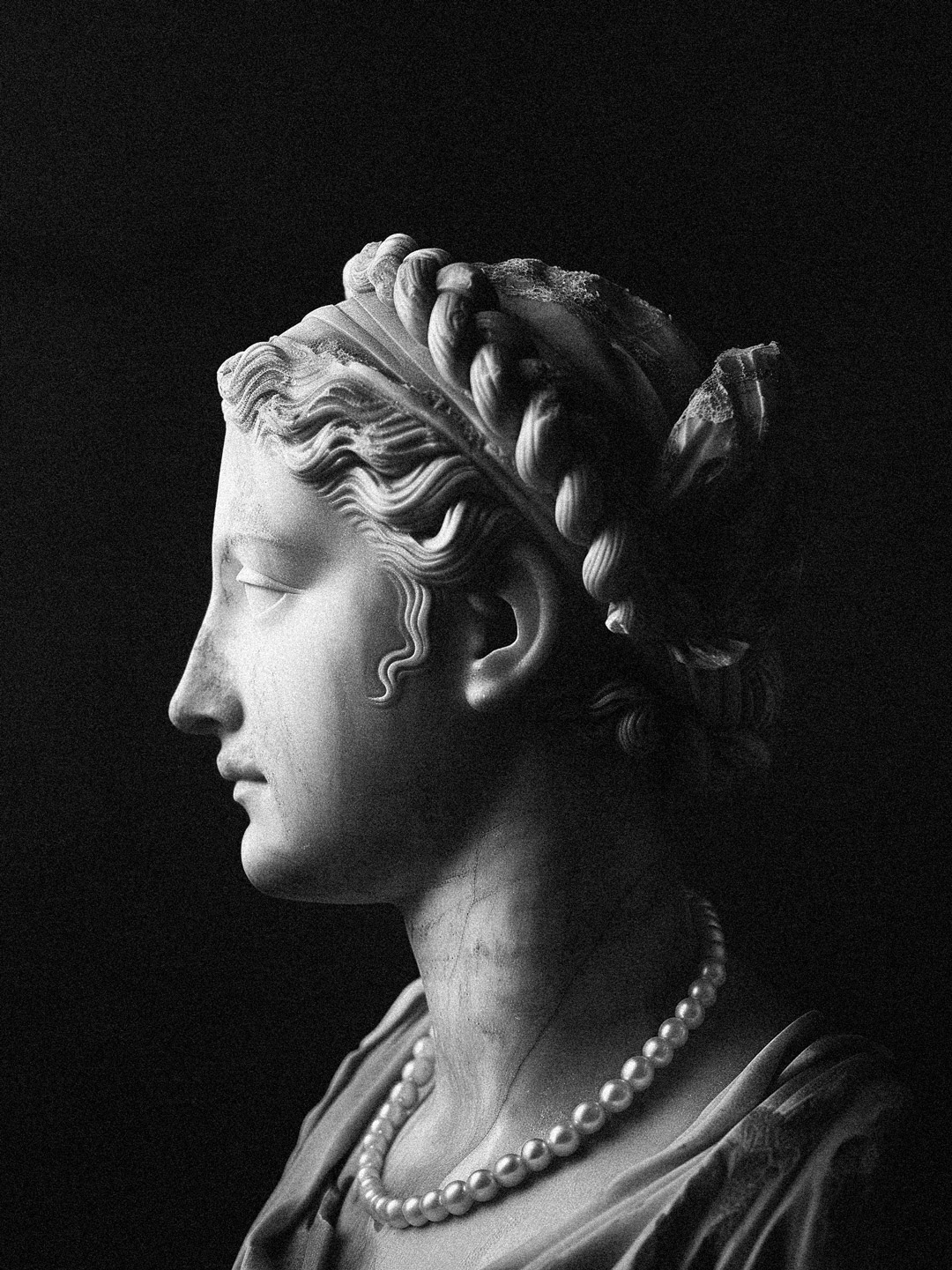
Sappho, spelled (in the dialect spoken by the poet) Psappho, (born c. 610, Lesbos, Greece — died c. 570 BCE). A lyric poet greatly admired in all ages for the beauty of her writing style.
Her language contains elements from Aeolic vernacular and poetic tradition, with traces of epic vocabulary familiar to readers of Homer. She has the ability to judge critically her own ecstasies and grief, and her emotions lose nothing of their force by being recollected in tranquillity.
Designed with WordPress
You must be logged in to post a comment.