The Implications of the Geometric Economy of Linear C versus that of Linear B I have compiled here a geometric analysis of the Geometric Economy of the Arcado-Cypriot Linear C Syllabary: Click to ENLARGEIf you are already familiar with Mycenaean Linear B, you will quickly realize that the Linear C syllabary is even more streamlined for its geometric economy than is Linear B. The Linear C syllabary consists of only 5 geometric shapes: the dot, the straight line, the circle, the tear & the oval, even fewer than we find in Linear B. The implications of this further streamlining are clear enough, even superficially. Since the Linear C syllabary simply abandoned all logograms, homophones and ideograms once and for all, it is in fact a much more elegant syllabary than its forebear, with only 56 syllabograms versus the 61 we find in Linear B (leaving aside the 100+ homophones, logograms & ideograms cluttering up the latter). Mycenaean Linear B in turn has considerably fewer syllabograms, logograms and ideograms than Minoan Linear A. With only 56 characters, the Linear C syllabary is the simplest syllabary, ancient or modern. Compare this count with the number of letters in the Cyrillic alphabet, as in Russian = 32, and we can readily see that Linear C has taken the practical application of a syllabary about as far as it can be. We shall be returning to a more in-depth cross-correlation of the Linear B & Linear C Syllabaries early in 2015, when we shall be discussing their potential application to extraterrestrial communication, reflecting our own developing perspectives on an article on this very topic recently written for NASA by Prof. Richard Saint-Gelais. To read that post, please click on this BANNER:
Richard
The Implications of the Geometric Economy of Linear C versus that of Linear B


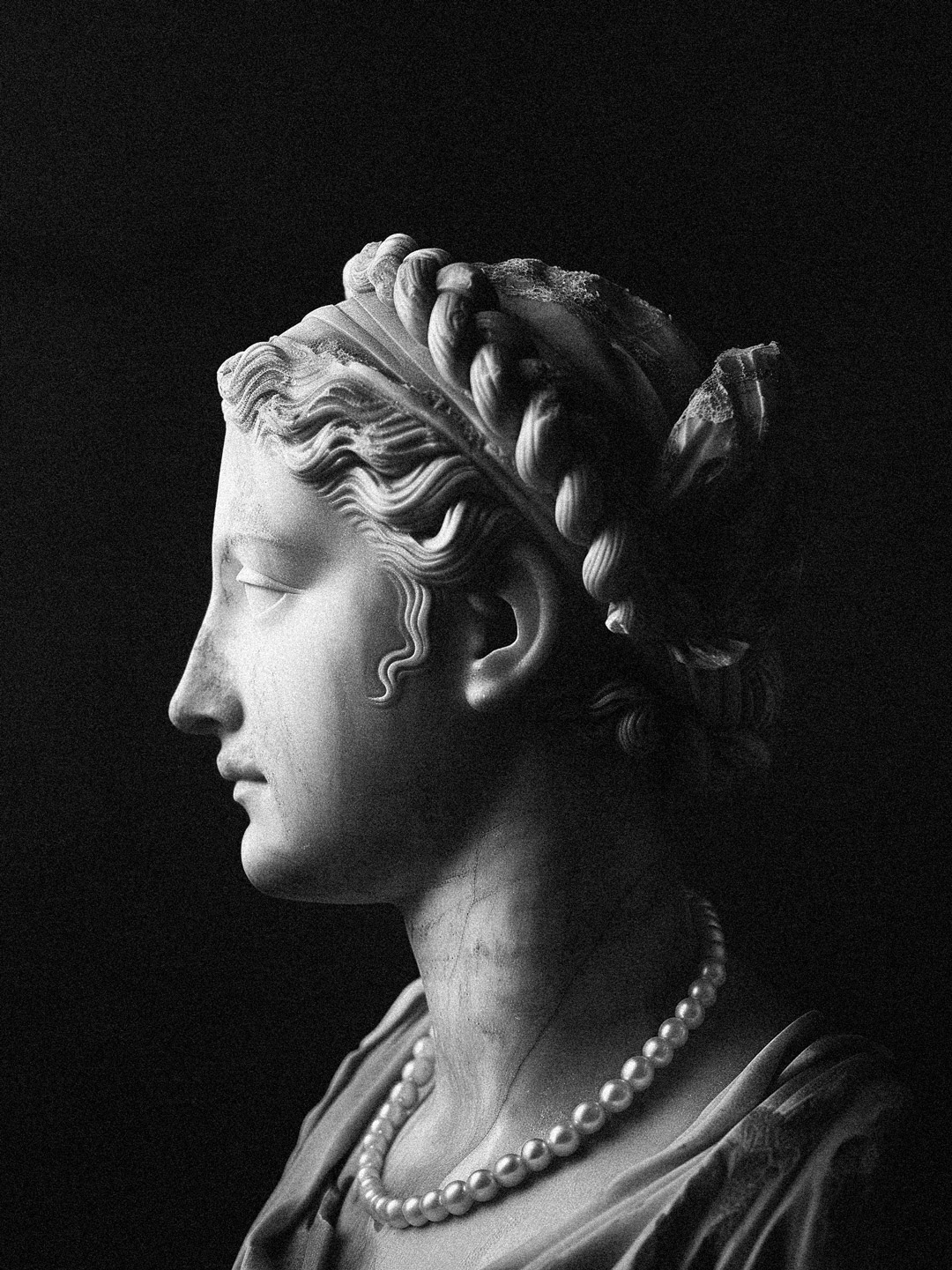
Sappho, spelled (in the dialect spoken by the poet) Psappho, (born c. 610, Lesbos, Greece — died c. 570 BCE). A lyric poet greatly admired in all ages for the beauty of her writing style.
Her language contains elements from Aeolic vernacular and poetic tradition, with traces of epic vocabulary familiar to readers of Homer. She has the ability to judge critically her own ecstasies and grief, and her emotions lose nothing of their force by being recollected in tranquillity.
Designed with WordPress
You must be logged in to post a comment.