Why anachronistic translations of Homer's Iliad scare people off, Versus my modern translation of the Iliad, Book II, “The Catalogue of Ships”, lines 581-604 Here is my translation: Click to ENLARGE:& here is the 1924 translation, which is even worse than the one of the previous post (lines 546-580). I have underlined the grossest anachronisms. Click to ENLARGE:
Richard
Why anachronistic translations of Homer’s Iliad scare people off, Versus my modern translation of the Iliad, Book II, “The Catalogue of Ships”, lines 581-604


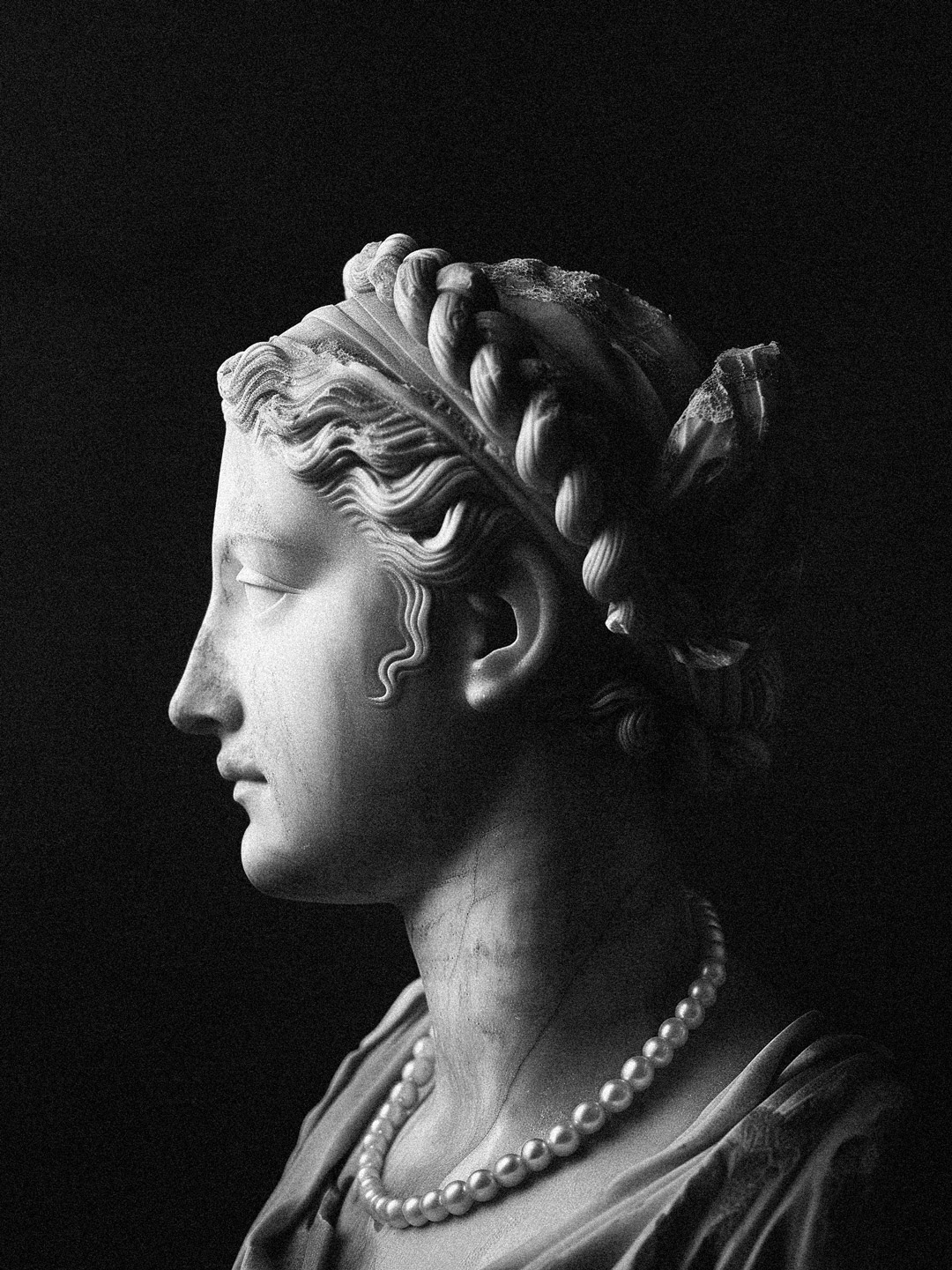
Sappho, spelled (in the dialect spoken by the poet) Psappho, (born c. 610, Lesbos, Greece — died c. 570 BCE). A lyric poet greatly admired in all ages for the beauty of her writing style.
Her language contains elements from Aeolic vernacular and poetic tradition, with traces of epic vocabulary familiar to readers of Homer. She has the ability to judge critically her own ecstasies and grief, and her emotions lose nothing of their force by being recollected in tranquillity.
Designed with WordPress
5 responses to “Why anachronistic translations of Homer’s Iliad scare people off, Versus my modern translation of the Iliad, Book II, “The Catalogue of Ships”, lines 581-604”
Reblogged this on coastalpaths.
Thank you so much for reblogging my haiku on your blog, Coastal Paths. I can see why. I shall start to follow your blog now! I am delighted you like it.
Richard
Thank you so much, Robert! Very much appreciated. If you have any other Greek stories, send the .jpg to me at: vallance22@gmail.com so that I can convert some of the words into Mycenaean Linear B. The problem is that we can only convert SOME words, as Mycenaean Greek vocabulary is very small and restricted. Richard
Reblogged this on KORYVANTES Association published work and commented:
Homer, Iliad, Book II. The Catalogue of Ships in Translation, lines 581-604
[…] Why anachronistic translations of Homer’s Iliad scare people off, Versus my modern translation…. […]