The Supersyllabogram PU in Knossos Tablet KN 424 R q 12. Cloth for whom? Click to ENLARGE:While a translation for this Linear B tablet may seem relatively straight-forward, unfortunately it is not – as is the case with a great many Linear B tablets which admit of alternative interpretations. In this particular case, I came up with 3 possible interpretations, although I am quite certain other Linear B translators can devise others equally convincing, if not more so. I invite any translator who can do so to post such a translation on his or her blog or to submit it to our blog. In the same spirit of free and open discussion, I also invite other translators of Linear B tablets to criticize my own translation to their hearts’ content. Richard
The Supersyllabogram PU in Knossos Tablet KN 424 R q 12. Cloth for whom?


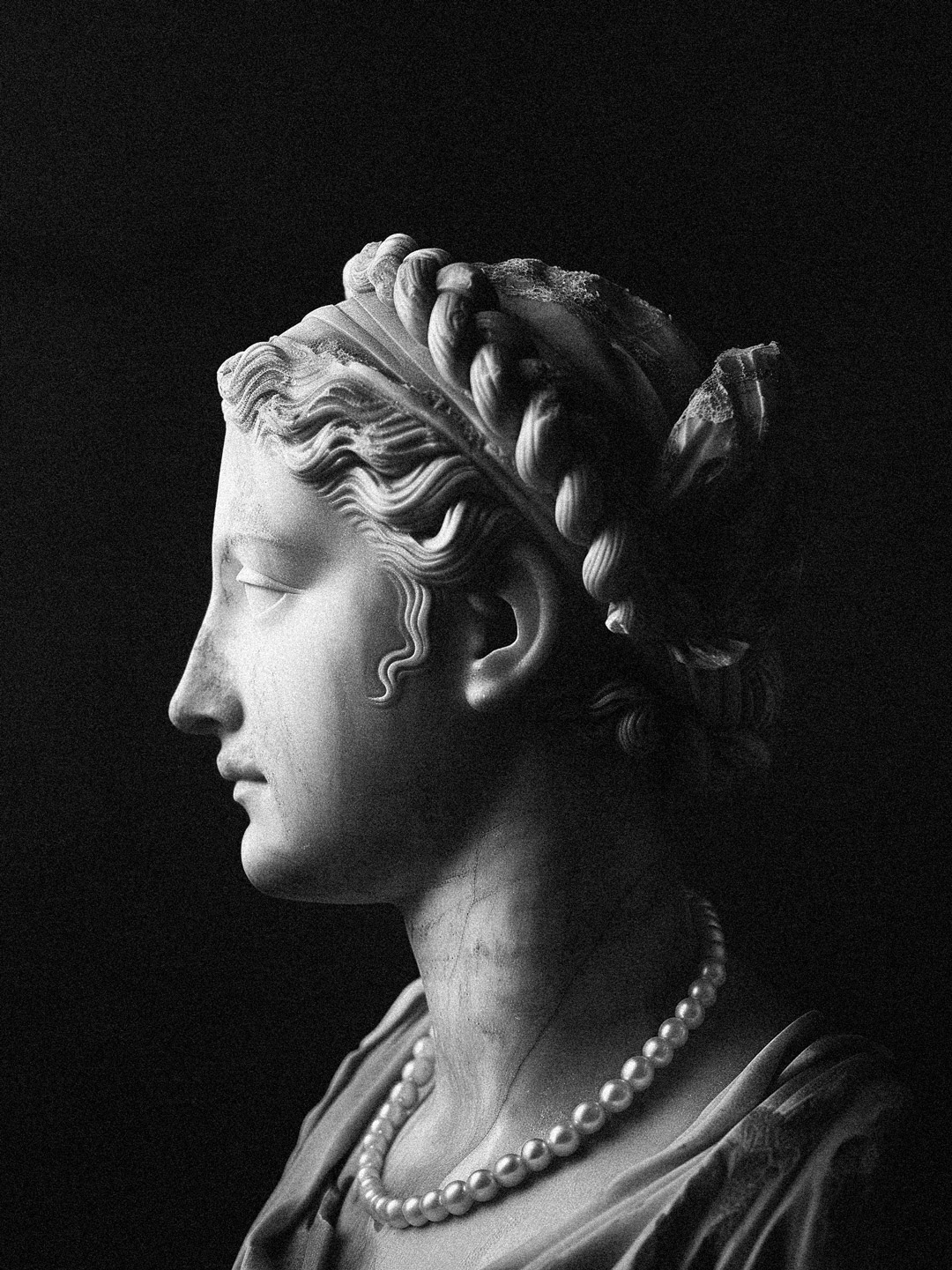
Sappho, spelled (in the dialect spoken by the poet) Psappho, (born c. 610, Lesbos, Greece — died c. 570 BCE). A lyric poet greatly admired in all ages for the beauty of her writing style.
Her language contains elements from Aeolic vernacular and poetic tradition, with traces of epic vocabulary familiar to readers of Homer. She has the ability to judge critically her own ecstasies and grief, and her emotions lose nothing of their force by being recollected in tranquillity.
Designed with WordPress
You must be logged in to post a comment.