Knossos: A Novel of Ancient Crete, by Laura Gill 765 pp. (Kindle) Click to ENLARGE:I was just searching the Internet, and what did I find? This novel! It sure looks intriguing, and it merits four out of five stars! Plus it is very inexpensive, coming at $6.99. Here is what Laura has to say about her novel. Knossos. Witness the rise and fall of the legendary Labyrinth in these ten stories spanning five millennia. • Knos, a sea captain of Rhodes, is driven to find a new homeland for his people when the neighboring tribes turn against them. Little does he suspect the consequences of his actions. • A bolt of lightning kills Pasibe’s young lover. Yet where they take, the gods also give. • Bull leapers honor the gods during the midsummer rites as the rulers of Knossos vie for position. Bansabira, a bull priest, finds himself caught in the middle of the struggle. • Daidalos, wronged by the high priestess of Knossos, builds the first Labyrinth after a devastating personal tragedy. • Aranaru, a priest-architect of Daidalos, is commissioned to rebuild the Labyrinth after a storm of earthquakes. Meanwhile, in the serpent sanctuary, snake priestess Narkitsa tries to conceal a terrible secret. • Dadarusa, scribe to the Minos, is summoned to attend the dead after a natural disaster of world-changing fury. Will he persevere in his grim duty, or will injury, starvation and the animosity of a fanatic priest be his undoing? • Mycenaean conqueror Alektryon embarks on a course that threatens to alter the fabric of the Labyrinth and the authority of its priesthood. • A crazed girl’s passion and her attachment to the mysterious bull-man of the Labyrinth threaten to bring down the edifices of power. Read more about her novel on her blog, here:
Richard
Knossos: A Novel of Ancient Crete, by Laura Gill 765 pp. (Kindle)

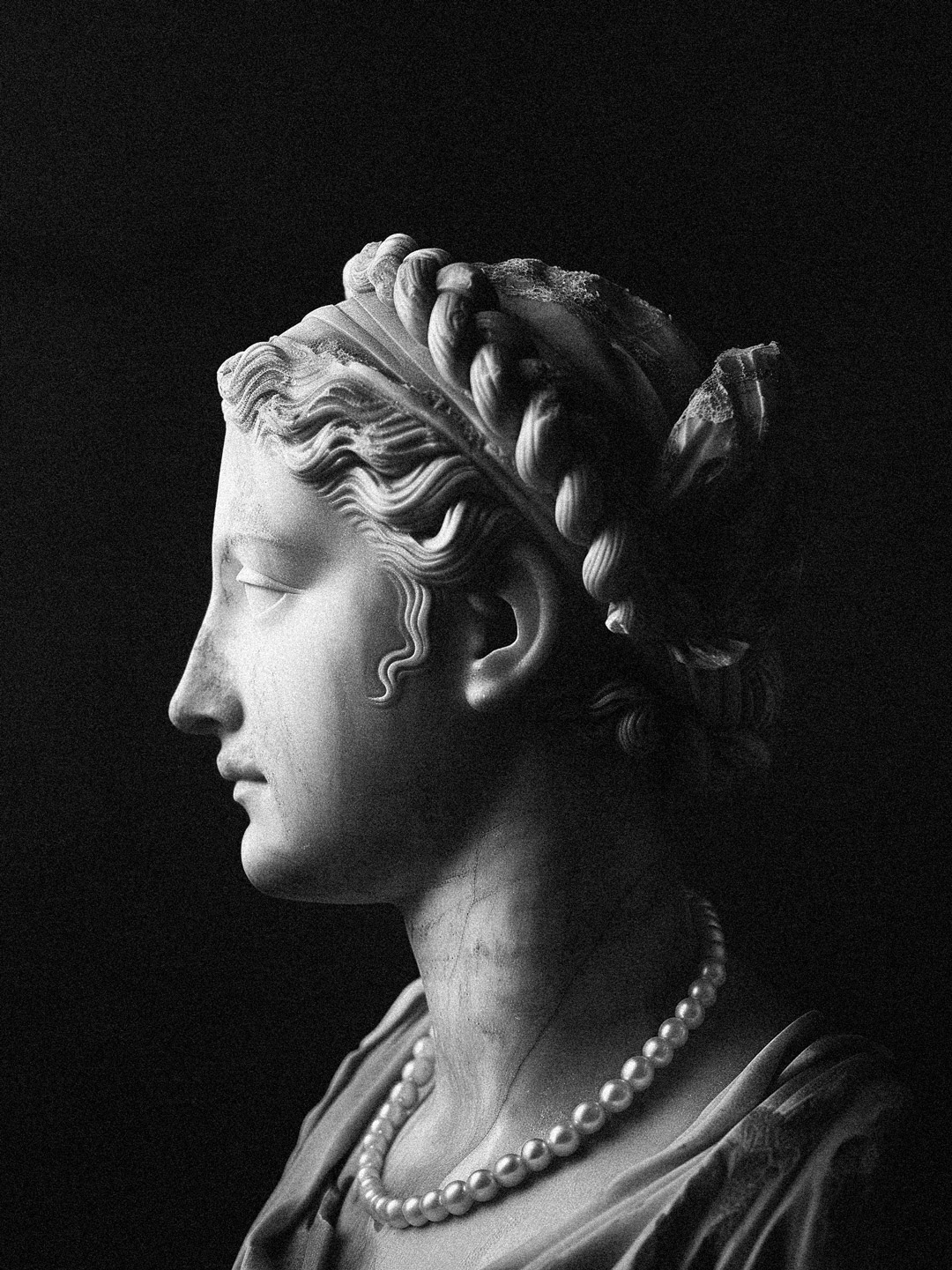
Sappho, spelled (in the dialect spoken by the poet) Psappho, (born c. 610, Lesbos, Greece — died c. 570 BCE). A lyric poet greatly admired in all ages for the beauty of her writing style.
Her language contains elements from Aeolic vernacular and poetic tradition, with traces of epic vocabulary familiar to readers of Homer. She has the ability to judge critically her own ecstasies and grief, and her emotions lose nothing of their force by being recollected in tranquillity.
Designed with WordPress
You must be logged in to post a comment.