Homer: Iliad: Book II: The Catalogue of Ships (continued) – Introduction: Lines 76-108 (Click to ENLARGE):With this post, we continue our translation of the Introduction to Book II of Homer’s Iliad, which contains the famous Catalogue of Ships (lines 484-779). You can find the Introductory texts to Book II of the Iliad in sequence by clicking on the Heading, “Iliad: Book II” at the top of our home page, right under the title, Linear B, Knossos & Mycenae. I have so far translated lines 1-108 of the Introduction, and I shall soon post lines 109-130, which will bring my translation of the Introduction to Book II of the Iliad to an end. I have translated the Introduction specifically to provide the setting for the translation of the entire Catalogue of Ships (lines 484-779). which is much more germane to our purposes, given that the a good deal of the grammar and vocabulary of Catalogue of Ships (lines 484-779) can be seen to have been either directly or indirectly derived from the much earlier Mycenaean Greek grammar and vocabulary in Linear B, and from that of Arcado-Cypriot Linear C, the closest cousin of the East Greek dialects to Mycenaean Greek. I shall shortly post (what I consider to be) the remainder of the Introduction to Book II of the Iliad, that is, lines 109-130, after which I will jump straightaway to the Catalogue of ships, starting at line 484 of Book II, and proceeding all the way to the end of the Catalogue of Ships (line 779). I expect this translation to take up the rest of 2014 and the better part of 2015. IT IS WELL-NIGH IMPOSSIBLE TO RECONSTRUCT MYCENAEAN GREEK GRAMMAR AND VOCABULARY IN LINEAR B WITHOUT RECOURSE TO BOTH THE CATALOGUE OF SHIPS IN BOOK II OF THE ILIAD, AND TO THE FAMOUS “IDALION” TABLET IN ARCADO-CYPRIOT LINEAR C, both of which I intend to translate by early 2016 at the latest, all things being equal. Richard
Homer: Iliad: Book II: The Catalogue of Ships (continued) – Introduction: Lines 76-108


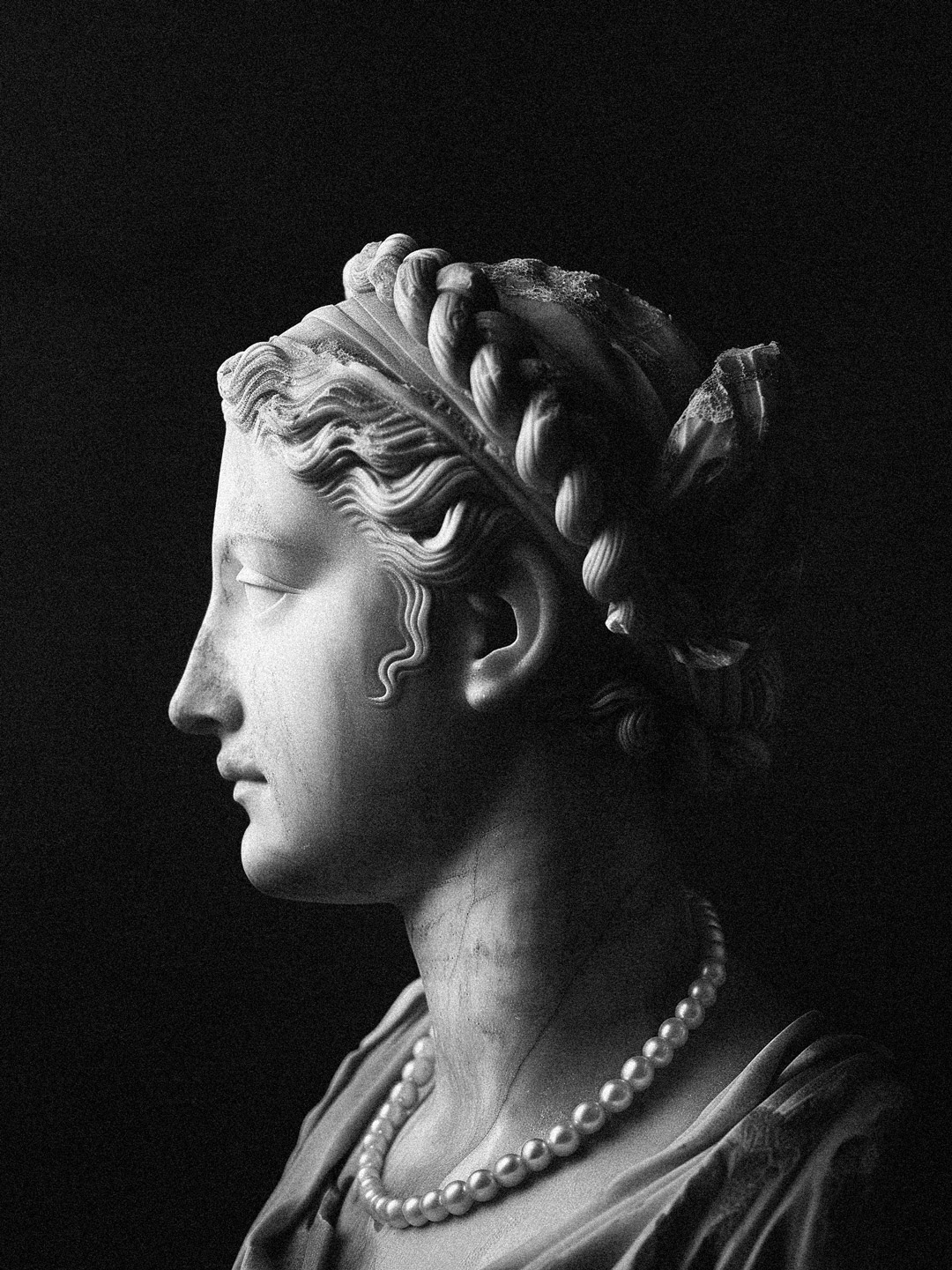
Sappho, spelled (in the dialect spoken by the poet) Psappho, (born c. 610, Lesbos, Greece — died c. 570 BCE). A lyric poet greatly admired in all ages for the beauty of her writing style.
Her language contains elements from Aeolic vernacular and poetic tradition, with traces of epic vocabulary familiar to readers of Homer. She has the ability to judge critically her own ecstasies and grief, and her emotions lose nothing of their force by being recollected in tranquillity.
Designed with WordPress
3 responses to “Homer: Iliad: Book II: The Catalogue of Ships (continued) – Introduction: Lines 76-108”
O.K. Richard I have already printed this out. Thanks.
Hi Richard, I am so glad for this translation because I have been searching the Iliad Book ll online .I found it eventually but could not understand how to follow it with the tablets. Enjoyed the story though and will continue to read more in the hope I can grasp it. Really enjoying your translations.
Yes, and you will find that these translations of Book II of the Iliad will very soon help you IMMENSELY
with your actual translations of tablets, and especially tablet fragments. You will see.
So I would suggest you print out each of the sections of Book II translations I have made so for, to
keep them on your records files to cross-corrrelate for future translations.
There are 4 translations in a row, from latest to earliest, in the Category, ILIAD: Book II