Prepositions in Mycenaean Linear B & Homeric Greek & the Cases they Govern (Click to ENLARGE):The use of prepositions and the cases they govern in Mycenaean Linear B correspond exactly to the use of the same prepositions in Homeric and Classical Greek. Just a few minor notes: first of all, Linear B uses the more ancient form “apu”, which is (not surprisingly) Arcado-Cypriot & hence also found in Linear C for “apo”, and again, uses “eni” (often used by Homer in Book II of the Iliad, in which we find the most archaic Greek) for “en”. Other than that, everything is pretty much straightforward. Beginning with the next post, I shall proceed to illustrate the uses of the prepositions with examples of sentences in both Linear B and in (Homeric) Greek, according to the case(s) they govern, beginning with prepositions governing only 1 case, either genitive or dative or accusative, moving on to prepositions which govern 2 cases, and finally to those which govern 3 cases. Finally, while almost all the prepositions in Mycenaean Greek are either Attested [A] or Derived [D], we can pretty much assume their authenticity. However, I cannot guarantee the same for the prepositions "eke" or "eise", as they are entirely conjectural [C], and quite possibly unreliable. Richard
Prepositions in Mycenaean Linear B & Homeric Greek & the Cases they Govern


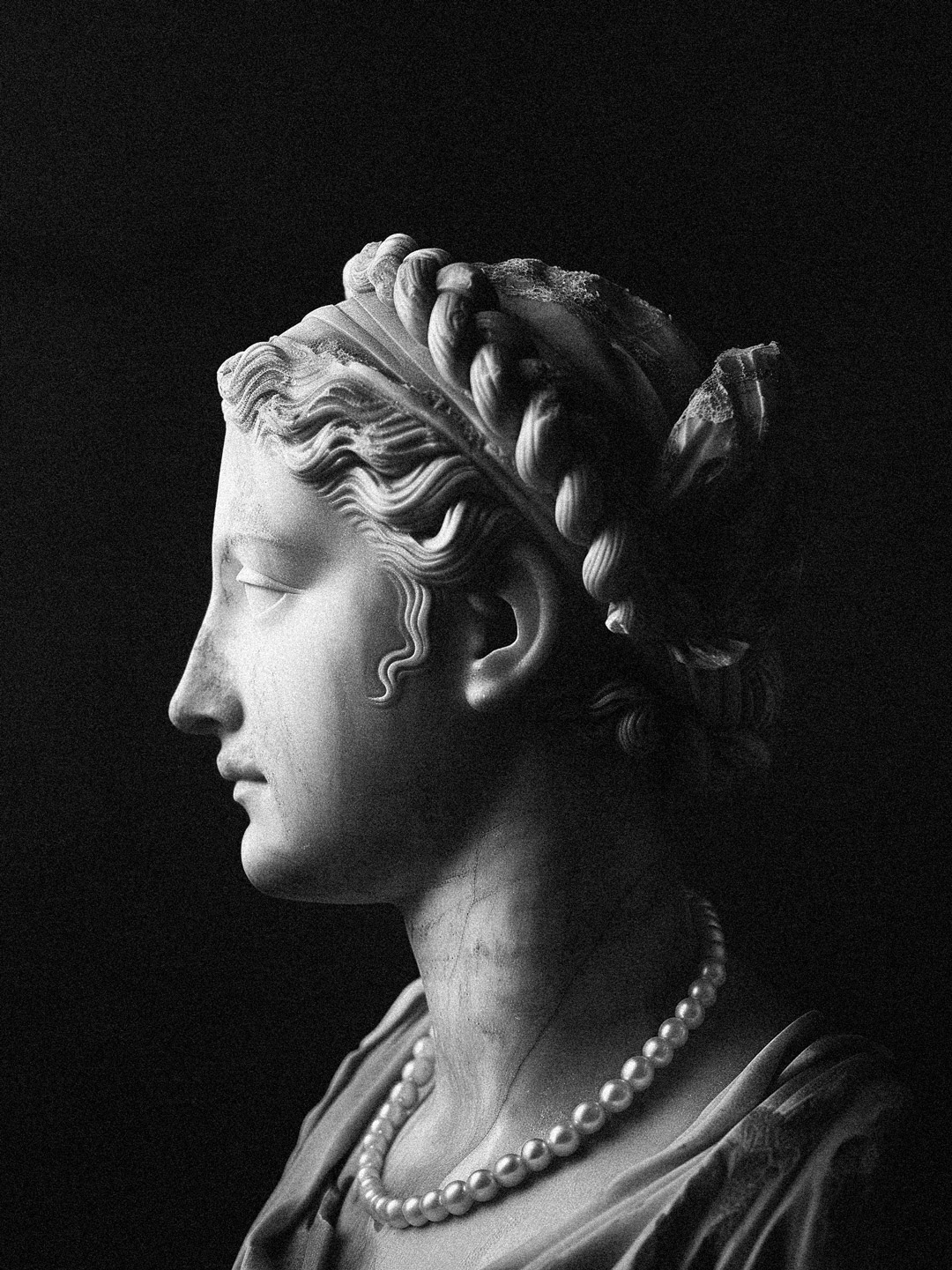
Sappho, spelled (in the dialect spoken by the poet) Psappho, (born c. 610, Lesbos, Greece — died c. 570 BCE). A lyric poet greatly admired in all ages for the beauty of her writing style.
Her language contains elements from Aeolic vernacular and poetic tradition, with traces of epic vocabulary familiar to readers of Homer. She has the ability to judge critically her own ecstasies and grief, and her emotions lose nothing of their force by being recollected in tranquillity.
Designed with WordPress
You must be logged in to post a comment.