Mycenaean Linear B Progressive Grammar: Derived (D) Verbs/Infinitives in Z, EI, TH = 25/Total = 96 In this post we find 25 derived (D) infinitives in Z, EI & TH in natural Mycenaean Greek. Here is the table of attested thematic and athematic infinitives starting with the Greek letters Z, EI & TH in Mycenaean Greek:It is vital to note that Mycenaean Greek had no long E (EI Latinized in Greek) or theta (TH Latinized in Greek). Thus, Mycenaean Linear B had to substitute E for EI and T for TH. In addition, there is no syllabary series for the Greek letter lambda = L, and so Mycenaean Greek had to use the R series of syllabograms for L, i.e. RA, RE, RI, RO, RU. Read the complete notes in the table above. The 4 sentences make it perfectly clear that we are dealing with natural Mycenaean Greek as it was actually spoken. Note that the natural plural in OI is to found in spoken Mycenaean, rather than the singular in O we find almost (but not always) exclusively on the extant Linear B tablets. See infinitives in D for a further explanation for this phenomenon. It is also highly likely that official documents, poetry (if any) and religious texts were written in natural Mycenaean Greek on papyrus. However, the moist climate of Crete and the Greek mainland meant that papyrus, unlike in the arid climate of Egypt, was doomed to rot away. So we shall never really know whether or not there were documents in natural Mycenaean Greek. But my educated hunch is that there were. The total number of natural Mycenaean Greek derived (D) infinitives we have posted so far = 24 A + 12 D + 35 E + 25 Z, EI, TH for a TOTAL of 96. I shall indicate the running total as we proceed through the alphabet.
Mycenaean Linear B Progressive Grammar: Derived (D) Verbs/Infinitives in Z, EI, TH = 25/Total = 96

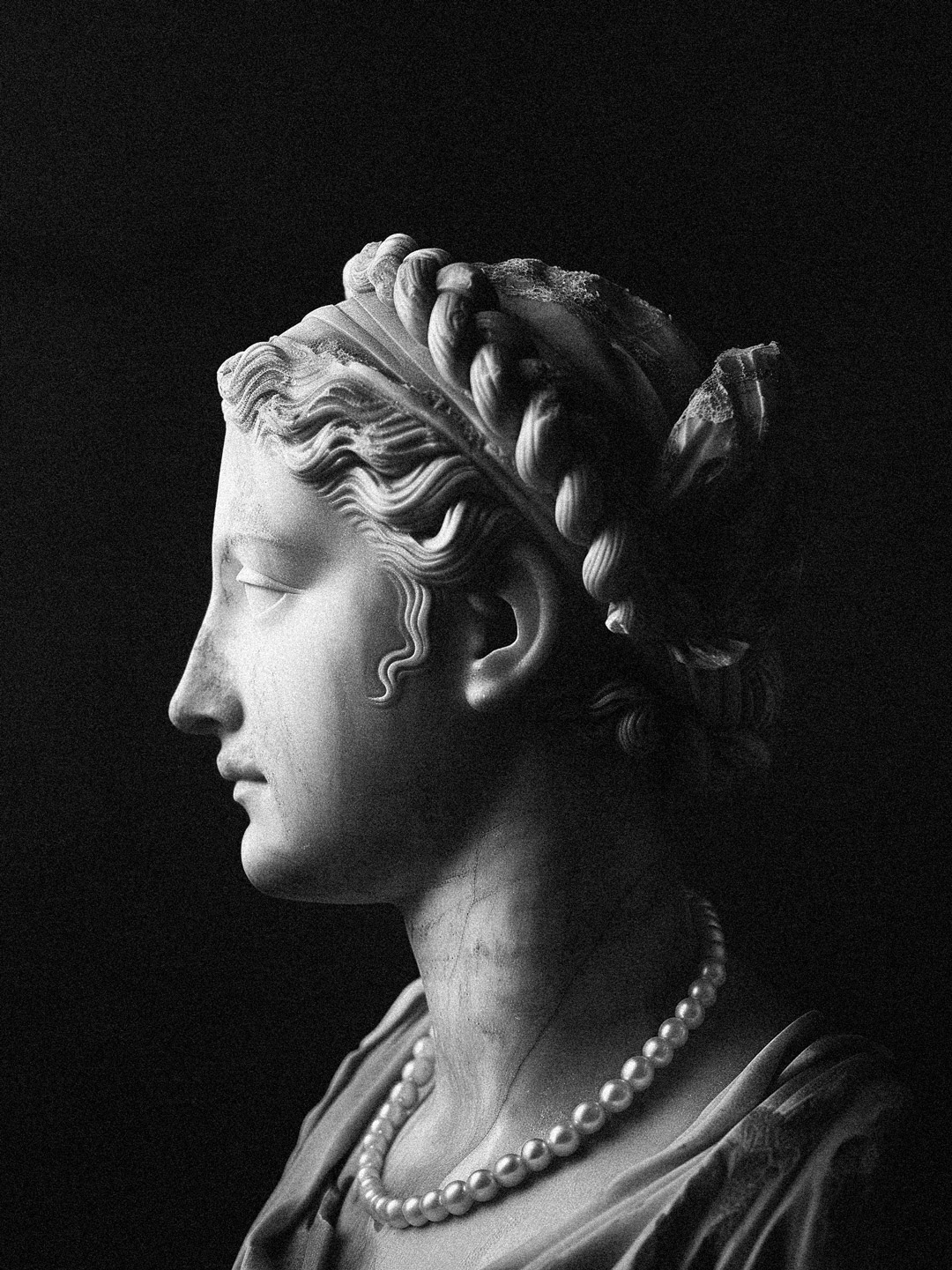
Sappho, spelled (in the dialect spoken by the poet) Psappho, (born c. 610, Lesbos, Greece — died c. 570 BCE). A lyric poet greatly admired in all ages for the beauty of her writing style.
Her language contains elements from Aeolic vernacular and poetic tradition, with traces of epic vocabulary familiar to readers of Homer. She has the ability to judge critically her own ecstasies and grief, and her emotions lose nothing of their force by being recollected in tranquillity.
Designed with WordPress
3 responses to “Mycenaean Linear B Progressive Grammar: Derived (D) Verbs/Infinitives in Z, EI, TH = 25/Total = 96”
I guess this is for me Richard Thanks.
Sure thing! You guessed right. This is by far the fastest way for you to learn how to spell ancient Greek. What I would suggest you do for the time being is attempt to read the words under any Greek letter, and be pleased with yourself for each and every word you CAN read, setting aside the rest for now. When we chat on Skype, we can spend a little time each call to go over the vocabulary in ancient Greek, starting with A, then D etc. And I am quite sure you will find it delightful to read actual sentences in REAL natural Mycenaean Greek, as it was spoken.
Actually, the REAL purpose of my listing hundreds of present infinitives is to begin reconstructing the grammar of natural Mycenaean Greek from the ground up. This will take at least four, if not six, months! But when all is said and done, both you can I will be able to READ sentences in natural Mycenaean Greek, which is far, far more fascinating than reading tablets!
[…] Source: Mycenaean Linear B Progressive Grammar: Derived (D) Verbs/Infinitives in Z, EI, TH = 25/Total = 96 […]