K 04-58 D j 31 & the supersyllabograms RA A & QE (military and textiles):This particular tablet presents us with a new associative supersyllabogram DA, which is the first syllable of the Linear B word, dameusi = “distribution”, a synonym of the more common Linear B word for “distribution” = apudosi. Dameusi appears nowhere else on any Linear B tablet, not even as the supersyllabogram = DA. But I am satisfied that this is its meaning. The first word on this tablet, Dawano, appears to be the name of the tailor = “Dawanos”. The word okamo on the left side of the tablet appears nowhere else in Linear B, and I cannot determine its meaning. As with the other tablets in this series, the double appearance of the syllabogram WE (WE WE) is a mystery to me. So I have left these 2 syllabograms untranslated. Generally, the appearance of WE WE on a Linear B tablet refers to measurement. But I cannot be sure this is the case with this tablet. It bears further investigation.
K 04-58 D j 31 & the supersyllabograms RA A & QE (military and textiles)

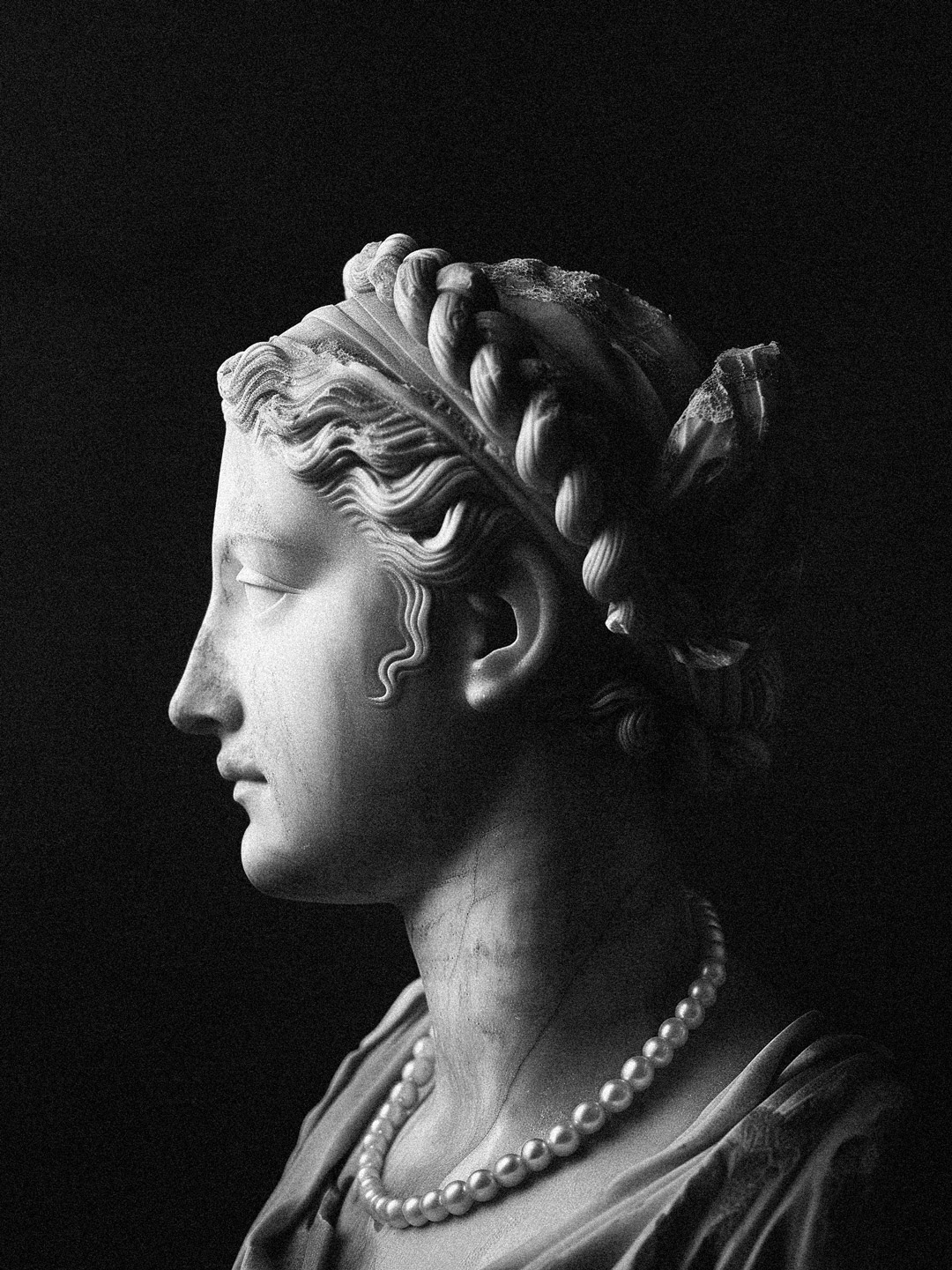
Sappho, spelled (in the dialect spoken by the poet) Psappho, (born c. 610, Lesbos, Greece — died c. 570 BCE). A lyric poet greatly admired in all ages for the beauty of her writing style.
Her language contains elements from Aeolic vernacular and poetic tradition, with traces of epic vocabulary familiar to readers of Homer. She has the ability to judge critically her own ecstasies and grief, and her emotions lose nothing of their force by being recollected in tranquillity.
Designed with WordPress
One response to “K 04-58 D j 31 & the supersyllabograms RA A & QE (military and textiles)”
[…] Source: K 04-58 D j 31 & the supersyllabograms RA A & QE (military and textiles) […]